
Morning Coffee Mood Boost: Why You Feel Better Before the First Sip
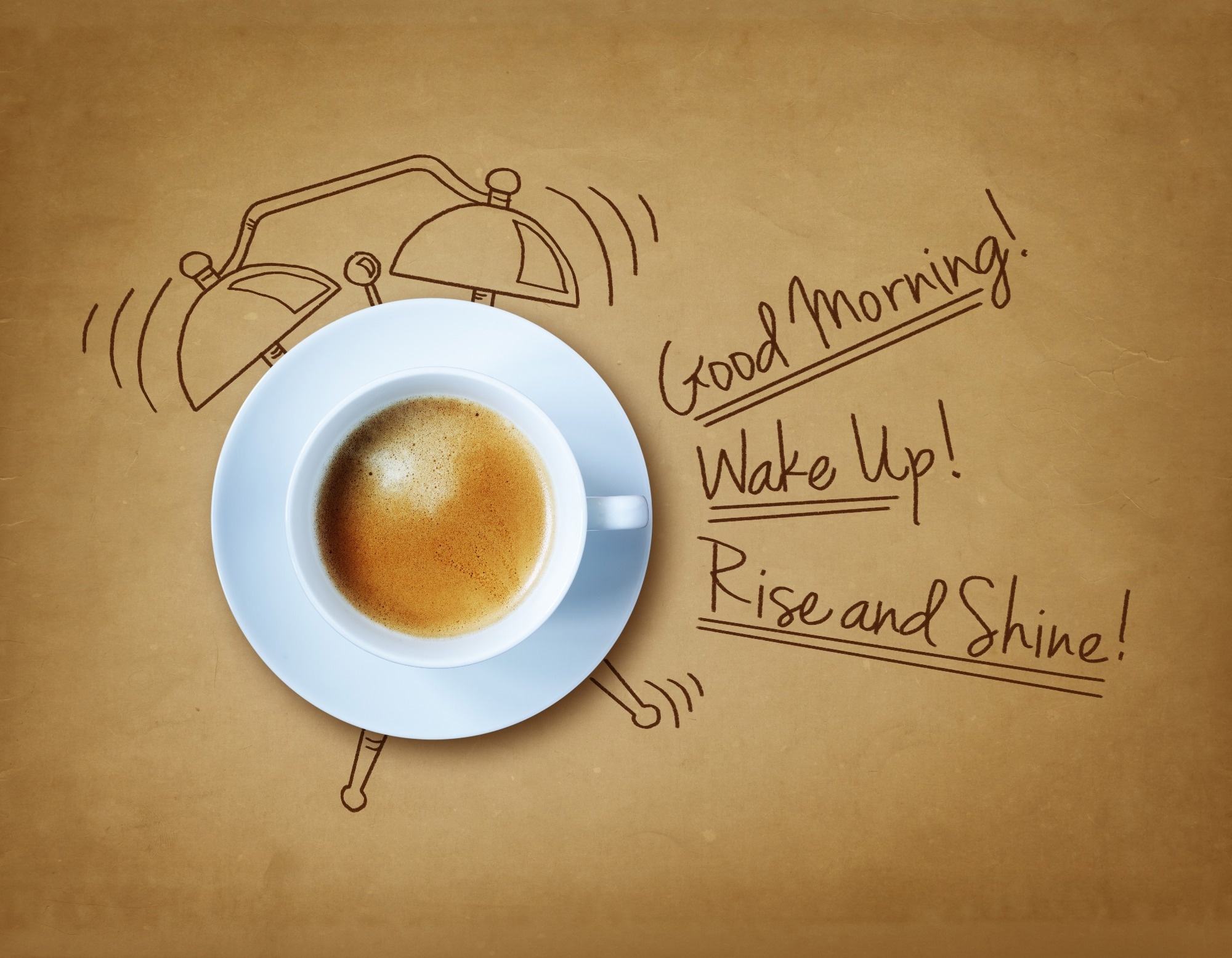
Morning Coffee Mood Boost: Why You Feel Better Before the First Sip
You may know the feeling. You are groggy, irritable, and moving slowly, then the smell of coffee hits and your mood shifts before the cup reaches your lips. That morning coffee mood boost matters because many people use coffee as their first tool for feeling human again, and the effect may not be all caffeine. Healthline recently reported on research suggesting that the anticipation and ritual around coffee can affect mood before caffeine has time to do much work. That is worth taking seriously, especially if your day seems to start only after the grinder runs. The science points to a mix of expectation, routine, sensory cues, and caffeine dependence. So what is your coffee actually doing for you, and where does a useful habit start to become a shaky crutch?
What Stands Out
- Your brain may respond to coffee cues, such as smell, warmth, and routine, before caffeine reaches peak effect.
- Caffeine still matters. It blocks adenosine, a brain chemical tied to sleep pressure, which can improve alertness.
- Morning irritability can reflect mild caffeine withdrawal, especially if you drink coffee daily.
- The ritual is part of the benefit. A predictable first task can steady your mood and attention.
- Timing and dose matter. Too much coffee, or coffee too late, can worsen sleep and make the next morning harder.
What the Morning Coffee Mood Boost Really Means
The simple story says coffee improves mood because caffeine wakes up the brain. That is true, but it is incomplete. Caffeine usually takes time to absorb, with blood levels rising over the next several minutes and often peaking later, depending on your body, food intake, and the drink itself.
Yet many regular coffee drinkers report feeling better as soon as coffee enters the scene. The sound of the machine, the smell from the cup, and the first few steps of a familiar routine can signal relief. Your brain has learned the pattern, much like an athlete loosens up when stepping onto a familiar court before the game starts.
The early lift from coffee may come from expectation as much as chemistry. That does not make it fake, since expectation can change how you feel and behave.
Look, I have covered health and behavior research long enough to distrust tidy explanations. Coffee is a drug, a ritual, a social object, and for some people, a small morning reward. Treating it as only one of those things misses the point.
Why Your Brain Reacts Before the Caffeine Hits
Your brain is a prediction machine. If it has learned that coffee leads to alertness, warmth, focus, or a short pause before work, the cue alone can start shifting your state. This is the same reason a favorite pre-run playlist can make you feel more ready before your shoes are tied.
The Healthline report points to this expectation effect as one reason coffee can improve mood early. Smell is especially powerful because it links closely with memory and emotion. The aroma of coffee may pull up a whole morning script, even before caffeine changes adenosine signaling.
The mug matters.
That small object can mark a transition from sleep to control. For people with hectic mornings, the act of making coffee may be one of the few predictable moments they own. And predictability can feel stabilizing, especially when stress is already high.
Morning Coffee Mood Boost or Caffeine Withdrawal?
Here is the less cozy part. If you drink coffee every day, that dramatic mood lift may partly reflect relief from withdrawal. Overnight, caffeine levels drop, and some people wake up with headache, low energy, poor concentration, or a sour mood.
In that case, coffee feels like a rescue because it is reversing symptoms. That does not mean you have a severe addiction, and it does not mean you need to quit. But it does mean the baseline you feel before coffee may be shaped by yesterday’s caffeine.
Signs your morning lift may be withdrawal relief
- You feel foggy or irritable most mornings until coffee.
- You get headaches when you skip your usual cup.
- You need more coffee than you used to for the same effect.
- You feel anxious or shaky after drinking more than planned.
- Your sleep suffers, then you need coffee to compensate the next day.
The Food and Drug Administration says up to 400 milligrams of caffeine per day is not generally linked with dangerous effects for most healthy adults. That is roughly four 8-ounce cups of brewed coffee, though actual caffeine content varies. Pregnancy, heart rhythm issues, anxiety disorders, and some medications can lower what makes sense for you.
How to Keep the Morning Coffee Mood Boost Without Letting It Run the Day
You do not need to turn coffee into a moral debate. The better question is practical. Is your routine helping you feel steady, or is it quietly taxing your sleep, anxiety, and energy?
Start with timing. Many people drink coffee within minutes of waking, but waiting 30 to 60 minutes can help you learn how your body feels without an instant caffeine override. If that sounds miserable, try a smaller first cup rather than a full delay.
- Track your first cup for one week. Write down the time, amount, mood before drinking, and mood 30 minutes later.
- Set a caffeine cutoff. For many people, early afternoon is a safer limit because caffeine can linger for hours.
- Protect the ritual if you like it. Keep the warm drink, quiet chair, or short walk, even if you reduce caffeine.
- Try half-caf before quitting. A sudden stop can bring headaches and irritability.
- Pair coffee with food if you feel jittery. A small breakfast can soften the edge for some people.
Honestly, the ritual may be the healthiest part for many drinkers. A calm, repeatable start has value, especially if your phone usually hijacks your attention before breakfast. Coffee can be the anchor, but it should not be the whole boat.
What to Do If Coffee Makes Anxiety Worse
Coffee can sharpen focus, but it can also mimic anxiety symptoms. A racing heart, shaky hands, stomach tension, and restless thoughts can all show up after caffeine. If you already live with anxiety, that overlap can make a normal morning feel loaded.
Would you still love your coffee if it came without the buzz? That question helps separate the taste and ritual from the stimulant effect. If the answer is yes, decaf or half-caf may keep the part you enjoy while lowering the physical jolt.
Some people do better with tea because it often delivers less caffeine per serving. Others prefer a smaller coffee after breakfast. The point is not purity, it is control.
Morning Coffee Mood Boost: A Smarter Routine to Try
A better coffee routine starts before the coffee. Sleep, light exposure, hydration, and food all shape how caffeine lands. If those basics are weak, coffee becomes a patch instead of a pleasant lift.
Try this for five mornings. Get bright light soon after waking, drink water, and wait a short stretch before your first cup. Then sit down for coffee without scrolling for the first few minutes. Simple, yes, but it changes the signal your brain gets.
- If you want alertness: drink coffee after you have been awake for a bit, then use the next 30 minutes for focused work.
- If you want comfort: keep the routine, but consider lower caffeine if you feel tense.
- If you want fewer headaches: taper slowly by mixing regular and decaf coffee.
- If you want better sleep: move your last caffeinated drink earlier and watch what happens over two weeks.
Think of coffee like seasoning in cooking. The right amount can improve the dish, but dumping it in to cover weak ingredients rarely ends well. Your morning needs more than caffeine if you are chronically exhausted.
Where This Leaves Your First Cup
The morning coffee mood boost is real for many people, but it is probably a blend of biology and learned expectation. Caffeine changes alertness, while the ritual tells your brain that the day has started and relief is near.
Keep the cup if it helps you. Just run a quick audit this week: dose, timing, mood, and sleep. If your coffee gives more than it takes, enjoy it without guilt. If it owns your morning, it may be time to renegotiate the habit.
Sources
This article was medically reviewed and draws from peer-reviewed research and clinical guidelines published by:
- National Institute on Drug Abuse (NIDA)
- Substance Abuse and Mental Health Services Administration (SAMHSA)
- Centers for Disease Control and Prevention (CDC)
- MedlinePlus — U.S. National Library of Medicine
Content is reviewed for medical accuracy by our editorial team. Last reviewed: September 15, 2026.
Medical Disclaimer: This article is for educational purposes only. It is not a substitute for professional medical advice, diagnosis, or treatment. Always consult a qualified healthcare provider before making changes to your treatment plan. If you are experiencing a medical emergency, call 911 immediately. For substance use support, call SAMHSA at 1-800-662-4357 (free, confidential, 24/7).