
Morning Exercise Beats Obesity and Diabetes Risk
Morning Exercise Beats Obesity and Diabetes Risk
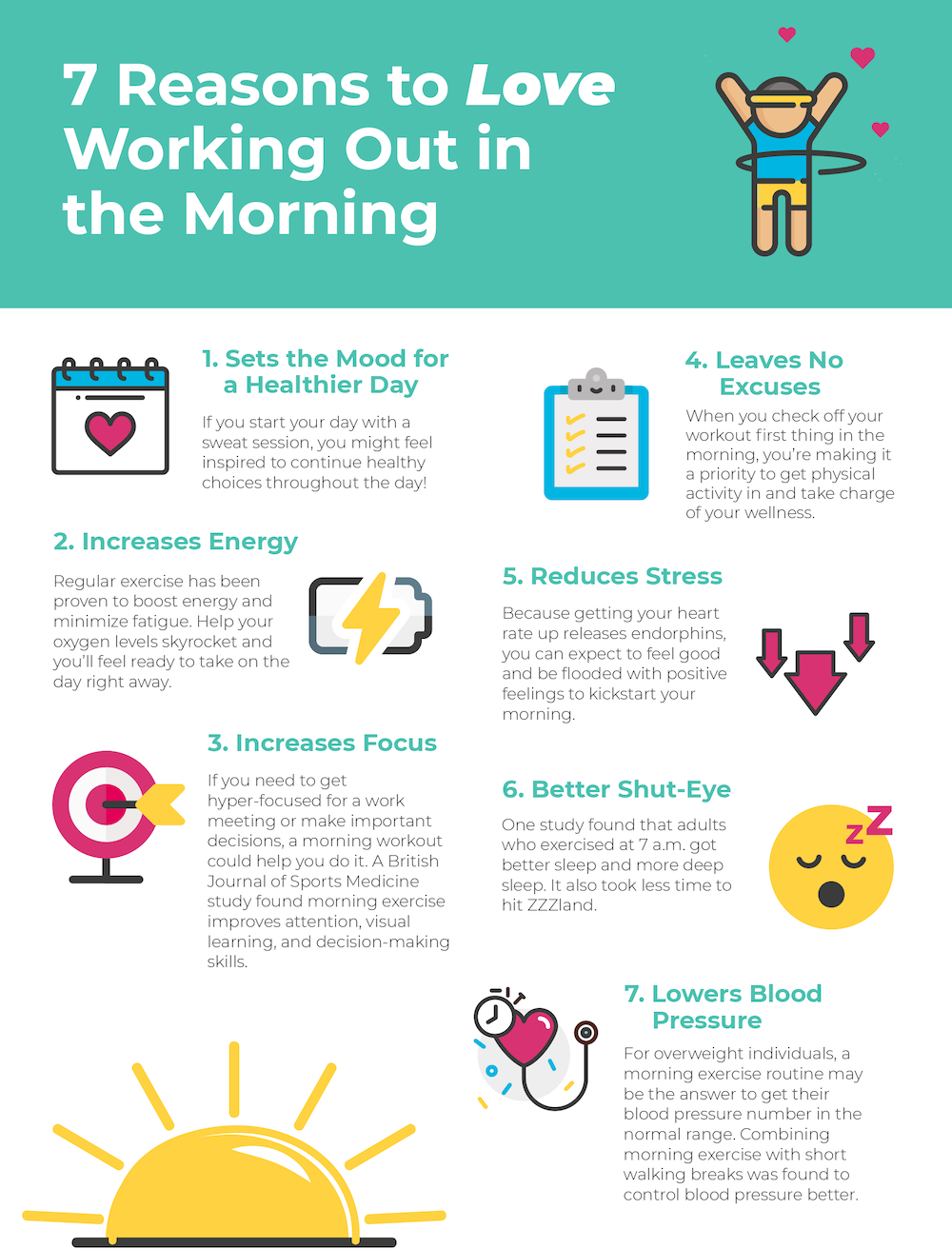
You want clear proof that timing matters. Morning exercise benefits reach beyond a good mood. A new look at activity tracker data ties early workouts to lower obesity and diabetes risk right when sedentary time is climbing. Metabolism fires faster after dawn sessions, and insulin sensitivity gets a head start that afternoon or evening routines often miss. And the bonus: schedules are cleaner before email floods your day. This is a low-tech move with outsized upside, especially if you fight creeping weight gain.
Why Morning Movement Matters
- Early workouts show lower BMI and waist size in tracker studies.
- Insulin sensitivity improves when you train before breakfast.
- Consistency sticks better when you exercise before daily tasks pile up.
- Sleep quality rises when intensity lands in the morning.
Morning exercise benefits for metabolism
Morning sessions act like preheating an oven before baking. Your body burns more efficiently all day. Researchers tracking thousands of adults found those who moved between 7 a.m. and 9 a.m. logged lower obesity rates even after accounting for diet and total activity. Why give your best effort to late-night workouts when mornings prime your metabolism?
Small shifts stack up.
Morning exercise benefits for blood sugar control
Insulin sensitivity peaks after a dawn workout, which helps blunt mid-morning glucose spikes. But the advantage fades if you skip movement. A brisk 20-minute walk before breakfast can lower post-meal glucose by double digits, and strength work adds extra buffering through more active muscle tissue. Think of it like setting a defensive line before the opposing team snaps the ball.
“Morning training gives people with prediabetes a head start on glucose control,” says a clinician who tracks continuous glucose monitor data in active adults.
How to lock in the habit
Look, the hurdle is usually time, not science. Here are practical moves.
- Prep gear at night and set a brief plan (even a sticky note works).
- Keep the first week to 15-20 minutes to avoid burnout.
- Pair the workout with coffee or music you love to make it automatic.
- Use a short outdoor route to snag morning light for better circadian rhythm.
- Track only one metric for two weeks: did you start by 9 a.m.?
And if you miss a day, restart the next morning without apology.
What about people with packed schedules?
Early shifts or family duties can crush a morning plan. Still, even a five-minute mobility routine right after waking steadies posture and blood flow. A quick set of squats and pushups is faster than waiting for a treadmill at night. Consider it the fitness version of putting a pot to boil while you chop vegetables.
Where to go next
Try a two-week morning block and watch how your weight, appetite, and energy respond. Could a consistent dawn routine be your simplest health upgrade this year?
Sources
This article was medically reviewed and draws from peer-reviewed research and clinical guidelines published by:
- National Institute on Drug Abuse (NIDA)
- Substance Abuse and Mental Health Services Administration (SAMHSA)
- Centers for Disease Control and Prevention (CDC)
- MedlinePlus — U.S. National Library of Medicine
Content is reviewed for medical accuracy by our editorial team. Last reviewed: March 27, 2026.
Medical Disclaimer: This article is for educational purposes only. It is not a substitute for professional medical advice, diagnosis, or treatment. Always consult a qualified healthcare provider before making changes to your treatment plan. If you are experiencing a medical emergency, call 911 immediately. For substance use support, call SAMHSA at 1-800-662-4357 (free, confidential, 24/7).