
New Cholesterol Guidelines Expand Statin Therapy Eligibility
New Cholesterol Guidelines Expand Statin Therapy Eligibility
You may have gotten used to hearing that statins are for people with very high cholesterol or a clear history of heart disease. That is changing. New cholesterol guidelines and newer risk-based thinking mean statin therapy eligibility now reaches more adults than before, especially people whose risk was easy to miss under older rules.
That matters because heart disease still leads death rates in the United States, according to the CDC. And the decision is no longer about one lab number alone. It is about your age, blood pressure, smoking history, diabetes, and your overall cardiovascular risk. Who should care? A lot more people than the old playbook suggested.
What changed in statin therapy eligibility?
- Doctors now look more closely at your 10-year risk of heart attack or stroke.
- Age, blood pressure, diabetes, and smoking status matter more than a single LDL reading.
- Some adults with only modest cholesterol elevation may still qualify.
- The goal is earlier prevention, before plaque has time to harden.
The shift is simple. The old model often waited for cholesterol to look bad enough on paper. The newer model asks a harder question. What is your actual risk of a cardiovascular event over the next decade?
That approach is less tidy, but it is more useful. A 52-year-old smoker with borderline numbers may be at more risk than a 68-year-old with slightly higher cholesterol and no other red flags. The calculator sees the whole person, not just one blood draw.
How statin therapy eligibility is usually decided
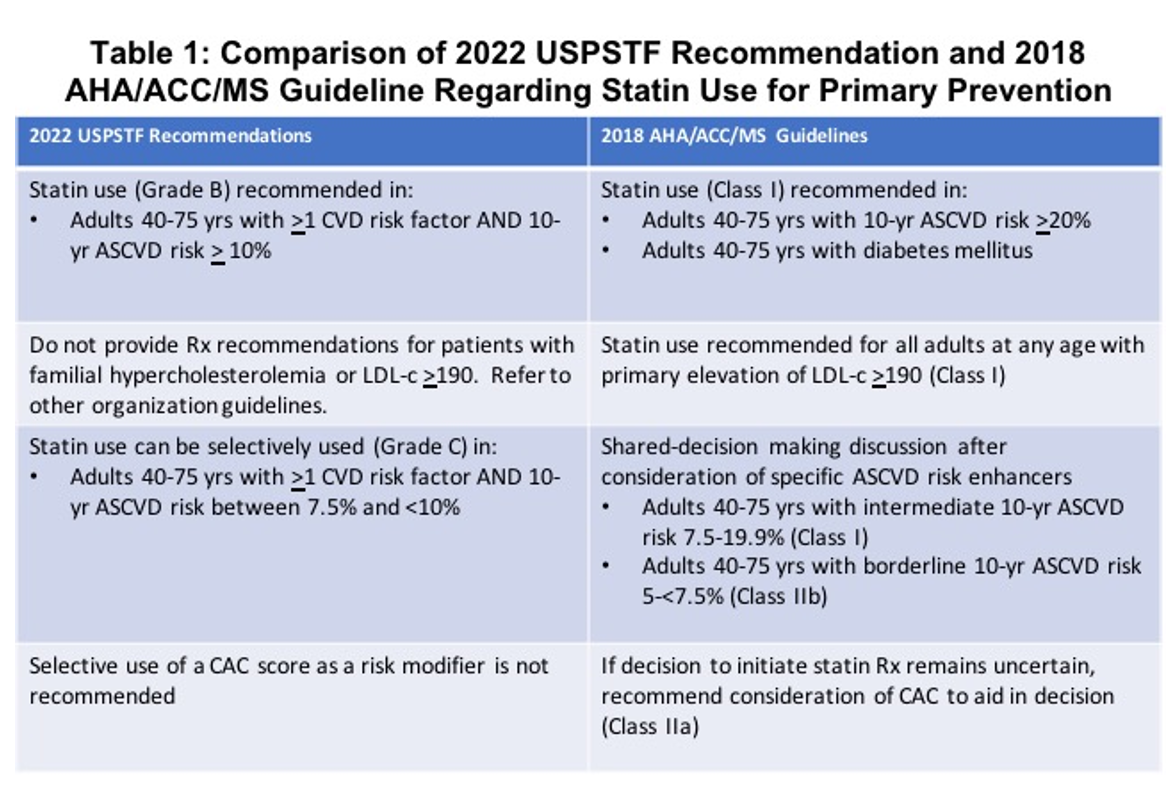
Clinicians often use an ASCVD risk calculator. ASCVD means atherosclerotic cardiovascular disease. The estimate combines your age, sex, cholesterol levels, blood pressure, diabetes status, and whether you smoke.
Here is the basic logic many guidelines use for adults ages 40 to 75:
- Low risk. Lifestyle changes may be enough.
- Borderline risk. A statin may be reasonable if you have extra risk factors.
- Intermediate risk. Statins are often recommended after a shared decision.
- High risk. Statin therapy is usually advised unless there is a clear reason not to use it.
Guidelines from the American Heart Association and the American College of Cardiology have pushed this risk-based model for years. The point is not to put everyone on a pill. The point is to stop pretending one LDL value tells the whole story.
“Statin eligibility is no longer a blunt cutoff. It is a risk conversation, and that is a better fit for real patients.”
Who may now qualify for statin therapy?
People who once sat in the gray zone are getting more attention. That includes adults with borderline LDL cholesterol, a family history of early heart disease, high blood pressure, prediabetes, metabolic syndrome, or chronic inflammatory conditions.
Look, this is where the old gatekeeping gets messy. A person can feel fine, show up for a routine visit, and still have a cardiovascular risk profile that makes statin therapy a smart move. Like a chess player who sees three moves ahead, your doctor is supposed to look past the current number and think about what comes next.
Common factors that raise the odds
- Smoking
- Diabetes
- High blood pressure
- Kidney disease
- Family history of early heart attack or stroke
- Inflammatory disease such as rheumatoid arthritis
One important nuance. A statin recommendation is not the same thing as a prescription you must take. It is a starting point for a conversation about benefit, risk, and what fits your life.
What are the benefits and tradeoffs?
Statins lower LDL cholesterol, and lower LDL means less plaque buildup over time. For people at higher risk, that can translate into fewer heart attacks and strokes. That is the core argument for treatment, and it is still strong.
Tradeoffs exist. Some people report muscle aches. Others worry about blood sugar changes. Serious side effects are uncommon, but the conversation should be honest, not glossy. If you have had problems with one statin, another dose or a different statin may work better (and sometimes does).
Why does this matter now? Because the decision has shifted from a narrow lab threshold to a broader preventive strategy. That can help more people, but it also means you should ask sharper questions before saying yes.
What should you ask your doctor before starting statins?
- What is my 10-year ASCVD risk?
- Which risk factors are driving that number?
- Is my LDL level alone enough to justify treatment?
- What benefit do you expect for me, specifically?
- What side effects should I watch for?
- Are there non-drug steps that could lower my risk too?
Ask about the dose, too. A low-dose statin and a high-intensity statin are not the same thing. Your doctor should explain why one makes sense for your profile.
Statin therapy eligibility and the role of lifestyle
Medication does not replace basic prevention. Diet, exercise, sleep, and smoking cessation still matter. They are not a side note. They are part of the treatment plan.
If you qualify for statin therapy, that does not mean lifestyle changes failed. It means your overall risk is high enough that medication may give you extra protection. Think of it like building a roof in bad weather. You do not skip the roof because you also bought sandbags.
Some people can lower their risk enough to delay medication. Others cannot. And that is fine. The point is matching the tool to the risk, not forcing everyone into the same box.
What to do next
If you have not discussed your cardiovascular risk in the last year, make that your next move. Bring your latest cholesterol numbers, blood pressure readings, and family history to your visit. Ask for your calculated risk, not just your LDL.
The new statin therapy eligibility approach puts more adults in the conversation. That is not alarmist. It is practical. And if your doctor has not explained why you do or do not qualify, what exactly are you waiting for?
Sources
This article was medically reviewed and draws from peer-reviewed research and clinical guidelines published by:
- National Institute on Drug Abuse (NIDA)
- Substance Abuse and Mental Health Services Administration (SAMHSA)
- Centers for Disease Control and Prevention (CDC)
- MedlinePlus — U.S. National Library of Medicine
Content is reviewed for medical accuracy by our editorial team. Last reviewed: July 25, 2026.
Medical Disclaimer: This article is for educational purposes only. It is not a substitute for professional medical advice, diagnosis, or treatment. Always consult a qualified healthcare provider before making changes to your treatment plan. If you are experiencing a medical emergency, call 911 immediately. For substance use support, call SAMHSA at 1-800-662-4357 (free, confidential, 24/7).