
New Heart Failure Definition and Better Diagnosis
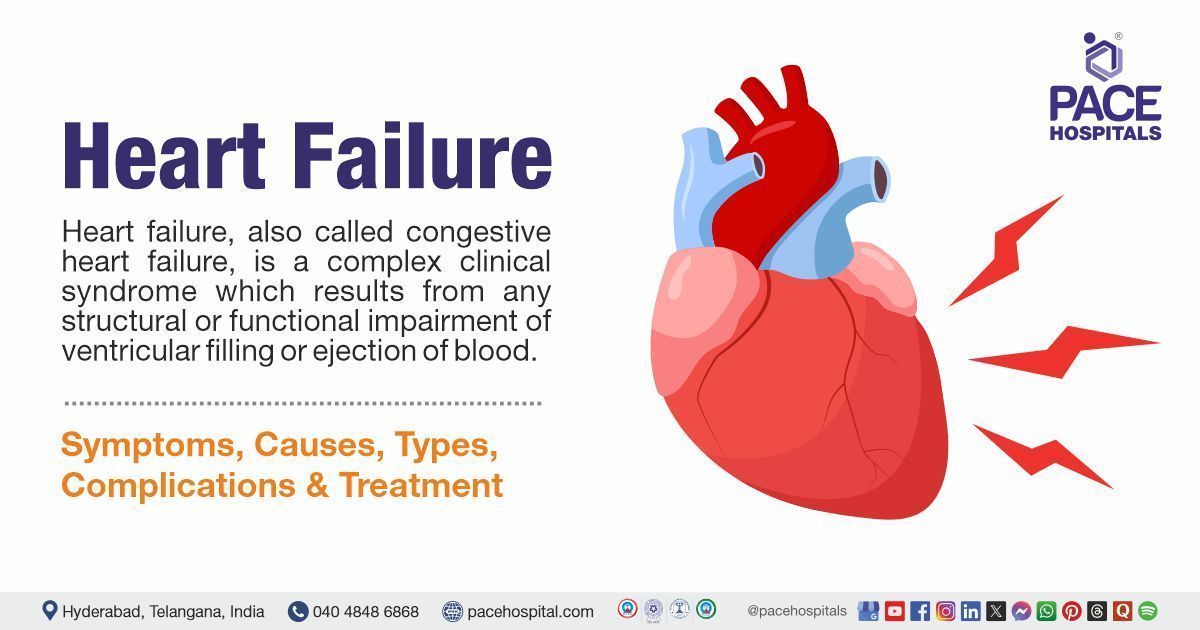
New Heart Failure Definition and Better Diagnosis
Heart failure diagnosis is messy when the rules are fuzzy. You can have symptoms, test changes, and a real problem with the heart, yet still fall into a gray zone that slows treatment. That matters because delays can mean more breathlessness, more hospital visits, and less time to get therapy working. A new heart failure definition aims to cut through that noise. It gives clinicians a cleaner way to identify the condition earlier and match the right treatment to the right patient. Why should you care if you are not a cardiologist? Because a sharper definition changes who gets tested, who gets treated, and who gets counted in studies that guide care.
The shift is not about hype. It is about fewer missed cases and less guesswork.
What changed in the heart failure definition
- Clearer criteria: The new definition tries to separate true heart failure from other causes of shortness of breath and swelling.
- Earlier recognition: Doctors may identify disease sooner, before symptoms become severe.
- Better treatment fit: A cleaner label can help match therapies to the type of heart failure.
- Stronger research data: Clinical studies work better when patients are classified the same way.
Think of it like building a house. If the foundation is off by an inch, every wall after that gets harder to trust. Diagnosis works the same way. If the definition is sloppy, everything downstream gets shaky.
Why the new heart failure definition matters for diagnosis
Heart failure is not one single disease. It is a syndrome, which means doctors look at symptoms, physical findings, imaging, labs, and sometimes blood markers like natriuretic peptides. The problem is that no single sign tells the full story. A new definition can reduce the overlap with conditions such as lung disease, kidney disease, or simple fluid retention from other causes.
That matters in real clinics. A patient with swelling and fatigue may get bounced between specialists before anyone connects the dots. A tighter definition gives teams a better common language, which can speed up echocardiograms, medication starts, and follow-up.
“A definition is not just a label. It decides who gets treated, who gets studied, and who gets missed.”
How it could change treatment decisions
Better diagnosis only helps if it leads to better care. The new heart failure definition can push doctors toward more precise treatment choices, especially when they sort patients by ejection fraction, symptoms, and evidence of congestion. That is where the work gets practical.
- Identify the subtype. Heart failure with reduced ejection fraction and preserved ejection fraction often need different strategies.
- Check the cause. Coronary artery disease, high blood pressure, valve disease, and rhythm problems can all drive symptoms.
- Start proven therapies sooner. Guideline-directed medications work best when the diagnosis is clear.
- Track response. Fewer gray areas make it easier to see if treatment is helping.
And here is the practical point. If a definition helps a doctor move from “maybe” to “yes,” the patient can get on the right path faster. That is the whole ballgame.
What patients should ask their doctor about heart failure diagnosis
If you have symptoms like shortness of breath, swelling in the legs, fatigue, or trouble lying flat, ask direct questions. Do not wait for someone else to make the conversation tidy. Medical care rarely starts tidy.
Ask:
- What is causing my symptoms?
- Do I need an echocardiogram?
- Should I have blood tests such as BNP or NT-proBNP?
- Is this heart failure, or could it be something else?
- What subtype do I have, if any?
These questions are simple, but they can change the pace of care. They also help you push past a vague answer.
Why the new heart failure definition could improve research
Clinical trials depend on clean patient groups. If one study includes people with different conditions under the same label, the results get muddy. A tighter heart failure definition can improve trial design, which in turn improves the evidence doctors use every day.
That is not a small thing. It is how guidelines get stronger. It is also how new drugs and devices get tested against the patients most likely to benefit. The American Heart Association, European Society of Cardiology, and major clinical journals have long pushed for sharper phenotyping because broad buckets hide useful differences.
Where the definition still has limits
No definition fixes every edge case. Some patients still sit in the overlap between heart, lung, kidney, and metabolic disease. Others have early disease with subtle findings that do not fit neatly on a checklist.
That does not make the effort weak. It makes it real. Medicine is not a spreadsheet. It is closer to judging a baseball call with a slow-motion replay. Even then, you want the best lens you can get.
Look, the new heart failure definition will not solve everything. But if it helps doctors catch disease earlier, avoid false labels, and treat more precisely, that is a meaningful shift. The next test is simple. Does it change care at the bedside, or does it stay trapped in conference slides?
Sources
This article was medically reviewed and draws from peer-reviewed research and clinical guidelines published by:
- National Institute on Drug Abuse (NIDA)
- Substance Abuse and Mental Health Services Administration (SAMHSA)
- Centers for Disease Control and Prevention (CDC)
- MedlinePlus — U.S. National Library of Medicine
Content is reviewed for medical accuracy by our editorial team. Last reviewed: July 4, 2026.
Medical Disclaimer: This article is for educational purposes only. It is not a substitute for professional medical advice, diagnosis, or treatment. Always consult a qualified healthcare provider before making changes to your treatment plan. If you are experiencing a medical emergency, call 911 immediately. For substance use support, call SAMHSA at 1-800-662-4357 (free, confidential, 24/7).