
Nuts and Blood Pressure: What the Evidence Really Says
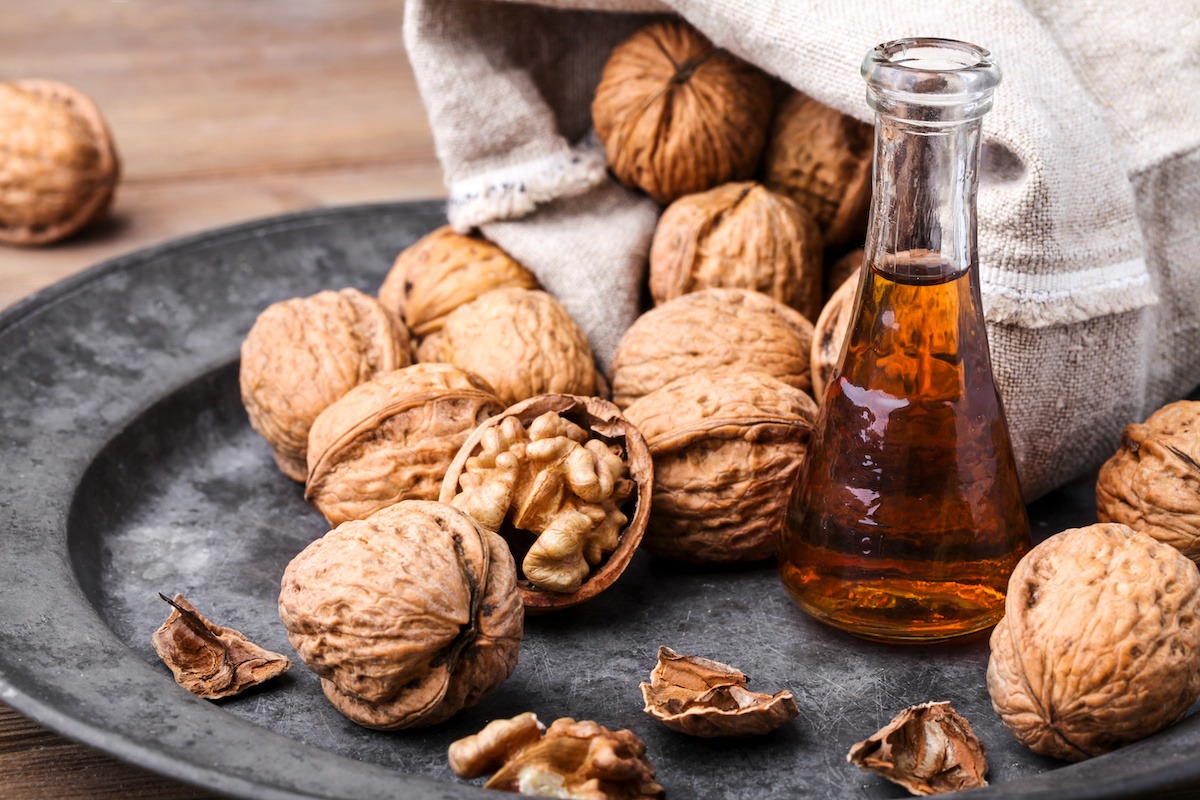
Nuts and Blood Pressure: What the Evidence Really Says
If you are trying to manage blood pressure, the advice can feel noisy. Cut sodium. Eat more plants. Watch calories. And now there is another habit getting attention: nuts and blood pressure. That matters because heart health changes are usually built from small choices, not dramatic resets.
Here is the practical question. Can a daily handful of nuts really move your numbers, or is this just another wellness headline? The short answer is that nuts can fit a heart-smart diet, but they are not a magic fix. They bring unsaturated fats, fiber, magnesium, and other nutrients that may support healthier blood vessels (especially when they replace salty snacks or refined carbs). The trick is using them the right way.
- A small daily serving of nuts can fit into a blood pressure plan.
- Unsalted nuts are the better pick.
- Portion size matters because nuts are calorie-dense.
- They work best as part of a broader diet, not as a stand-alone fix.
Nuts and Blood Pressure: What the Research Suggests
Several studies have linked nut intake with better heart markers, including blood pressure. Researchers often point to almonds, walnuts, pistachios, and mixed nuts because they contain unsaturated fat, magnesium, potassium, and other compounds that support vascular health. One large body of nutrition research, including work behind the DASH eating pattern and other heart-focused diets, suggests that whole-food swaps can help lower blood pressure over time.
But keep the scale honest. The benefit is usually modest. Why? Because blood pressure responds to a cluster of habits, not one snack. If nuts replace chips, crackers, or pastries, the change can help. If they are added on top of your usual intake, the calorie load can erase the upside.
The most useful nut habit is simple: use unsalted nuts to replace a less healthy snack, not to stack more calories onto your day.
Which Nuts Work Best for Blood Pressure?
There is no single winner. Walnuts, pistachios, almonds, and hazelnuts all show up often in nutrition studies because they have useful fat profiles and micronutrients. Pistachios get attention because they may help with vascular function, while walnuts stand out for alpha-linolenic acid, a plant omega-3.
Still, the best nut is the one you will actually eat without added salt or sugar. Think of it like choosing a gym routine. The perfect plan on paper is useless if you never stick with it.
- Walnuts: good source of plant omega-3 fats.
- Almonds: rich in vitamin E and fiber.
- Pistachios: often studied for heart and vessel health.
- Peanuts: technically legumes, but still useful if unsalted and minimally processed.
How Much Should You Eat?
A typical serving is about one ounce, or a small handful. That is usually around 160 to 200 calories, depending on the nut. For many people, that is enough.
Here is a simple way to think about it. A handful of nuts is like one brick in a wall, not the whole structure. Useful. Not enough by itself.
Try this:
- Pick unsalted nuts or seeds.
- Measure one serving instead of eating from the bag.
- Use them to replace chips, crackers, or candy.
- Watch the rest of your day for sodium and calories.
What about roasted or flavored nuts?
Go easy on honey-roasted, candied, or heavily seasoned versions. They can carry added sugar or sodium that works against your goal. Look, the label matters more than the marketing.
Nuts and Blood Pressure: Where the Benefit Comes From
The likely drivers are boring in the best way. Unsaturated fats can support healthier cholesterol levels. Magnesium plays a role in blood vessel function. Fiber helps overall diet quality. And when nuts replace ultra-processed snacks, your total diet gets cleaner.
That is the real story. Not a miracle. Not a shortcut. Just a better trade.
There is also a behavior angle. People who keep a small container of nuts nearby often snack more mindfully than people who graze on packaged foods. That matters because diet changes fail when they are inconvenient.
How to Add Nuts Without Backfiring
Use nuts as a planned part of your day. Toss them into plain yogurt, oatmeal, or a salad. Pair them with fruit if you want more volume and fewer calories per bite. And if you eat them at work, portion them before you leave home.
One practical rule helps a lot: if the nuts are salted, limit how often you use them. High sodium can push blood pressure in the wrong direction, which defeats the point.
Think of your snack drawer like a kitchen pantry during a tight budget. Every item should earn its place.
Who Should Be Careful?
People with nut allergies should avoid them entirely. Anyone with kidney disease, a sodium-restricted diet, or a need for strict calorie control should talk with a clinician or dietitian about portion size and fit. And if you take blood pressure medicine, do not assume nuts will replace treatment.
That last point matters. Can food help? Yes. Can it replace prescribed care for hypertension? No.
What to Do Next
If you want to test this habit, start with one ounce of unsalted nuts a day for two weeks. Keep the rest of your routine steady, then check whether the snack swap helps you stay full and cut back on less useful foods. If your blood pressure is already high, track your readings and share them with your clinician.
The smartest move is not chasing a headline. It is building a repeatable routine that you can keep next month, not just next Tuesday.
Sources
This article was medically reviewed and draws from peer-reviewed research and clinical guidelines published by:
- National Institute on Drug Abuse (NIDA)
- Substance Abuse and Mental Health Services Administration (SAMHSA)
- Centers for Disease Control and Prevention (CDC)
- MedlinePlus — U.S. National Library of Medicine
Content is reviewed for medical accuracy by our editorial team. Last reviewed: August 19, 2026.
Medical Disclaimer: This article is for educational purposes only. It is not a substitute for professional medical advice, diagnosis, or treatment. Always consult a qualified healthcare provider before making changes to your treatment plan. If you are experiencing a medical emergency, call 911 immediately. For substance use support, call SAMHSA at 1-800-662-4357 (free, confidential, 24/7).