
Overdose Prevention Lessons from EMT Simone Kelly
Overdose Prevention Lessons from EMT Simone Kelly
Overdose risk is not abstract. It can show up at a party, on a sidewalk, or in your own home, and the first few minutes matter most. The mainKeyword here is overdose prevention, and it is not a side topic anymore. If you live with substance use in your family, work around people at risk, or just want to be ready if something goes wrong, you need plain steps that work under pressure. EMT Simone Kelly’s experience is a reminder that emergency response is only one piece of the job. The bigger job is noticing trouble early, acting fast, and knowing what support looks like after the sirens leave. What should you actually do before help arrives?
What to know about overdose prevention
- Carry naloxone if you or someone around you uses opioids, even occasionally.
- Learn the warning signs of overdose, especially slow breathing, blue lips, and deep sleep that you cannot break.
- Call emergency services right away if the person is unresponsive or breathing poorly.
- Stay with the person and give a second naloxone dose if symptoms do not improve and the product instructions allow it.
- Connect the person to care after the crisis, because survival is only the first step.
Why overdose prevention starts before an emergency
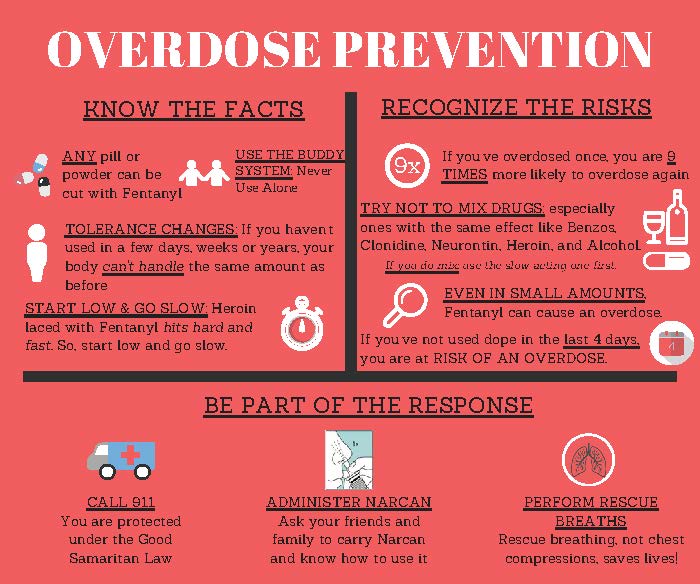
Most people think overdose response begins when someone stops breathing. That is too late. Real overdose prevention starts with knowing who is at risk, keeping naloxone within reach, and making sure people around you know how to use it. The Centers for Disease Control and Prevention has said naloxone can reverse opioid overdoses, and community distribution has been linked to lives saved. That is the practical part. No drama. Just action.
Think of it like keeping a fire extinguisher in the kitchen. You do not wait for the flames to study the label. You want the tool where you can grab it fast, because panic ruins memory.
What EMTs look for first
Emergency clinicians and EMTs do not waste time on theories. They look at breathing, responsiveness, skin color, and whether the person can stay awake. If someone is hard to wake, has pinpoint pupils, or is breathing very slowly, that is a red flag.
Here is the thing. Fentanyl has changed the overdose picture. The drug can move fast, and multiple doses of naloxone may be needed in some cases. That does not mean naloxone failed. It means you keep going and you call for help.
Do not wait for the person to “sleep it off.” If breathing is slow, shallow, or stopped, treat it as an emergency now.
Overdose prevention steps you can use today
- Get naloxone. Pharmacies, health departments, and many community groups offer it without much friction.
- Learn the brand you have. Nasal spray and injectable products work differently, so read the box before you need it.
- Tell the people around you where naloxone is stored.
- Practice the response. Rehearsal lowers panic. That matters.
- Use alone less often if you can, and set a check-in plan if you cannot.
- Avoid mixing substances, especially opioids with alcohol or benzodiazepines.
And yes, mixing drugs is a common reason overdoses turn deadly. The combination can slow breathing much more than one substance alone. That is not a subtle risk. It is seismic.
What to do after naloxone
Some people wake up angry, confused, or in withdrawal after naloxone. That can be hard to handle in the moment. Stay calm. Explain that naloxone may wear off before the opioid does, so medical care is still needed even if the person looks better.
Ask a simple question: who can help them get follow-up care after the crisis? Detox, medication for opioid use disorder, counseling, and peer support all matter. One rescue is not treatment.
Why follow-up matters
Overdose survivors have a higher risk of another overdose if they do not connect to care. The National Institute on Drug Abuse has repeatedly emphasized that medication such as buprenorphine or methadone can reduce overdose risk and improve treatment retention. That is the part headlines skip. Saving someone is urgent. Keeping them alive next month takes a plan.
Honestly, this is where a lot of systems fail. They celebrate the rescue and then drift away.
How to talk about overdose without shutting people down
If you are talking to someone at risk, skip the lecture. Ask what would make them feel safer using, if they are not ready to stop. Offer naloxone. Offer to learn with them. Keep the tone plain.
You do not need the perfect script. You need a conversation that keeps the door open. That is often enough to get someone to accept help later.
And if you work in a school, shelter, bar, or transit setting, train staff to spot overdose and respond fast. A short response protocol beats wishful thinking every time.
What Simone Kelly’s story gets right
Stories from EMTs land because they show the human cost behind the numbers. They also show the limits of emergency medicine. A good response can save a life, but the larger fix depends on access to treatment, stigma-free care, and wider naloxone access.
That is why overdose prevention is really a community habit. It is policy, supplies, training, and follow-through. One person can help, but systems decide how many people get a second chance.
Where to start next
Pick one move today. Buy naloxone, learn the signs, or make a check-in plan with someone at risk. Small steps count when time is tight. If you had 60 seconds to act, would you know what to do?
Sources
This article was medically reviewed and draws from peer-reviewed research and clinical guidelines published by:
- National Institute on Drug Abuse (NIDA)
- Substance Abuse and Mental Health Services Administration (SAMHSA)
- Centers for Disease Control and Prevention (CDC)
- MedlinePlus — U.S. National Library of Medicine
Content is reviewed for medical accuracy by our editorial team. Last reviewed: July 3, 2026.
Medical Disclaimer: This article is for educational purposes only. It is not a substitute for professional medical advice, diagnosis, or treatment. Always consult a qualified healthcare provider before making changes to your treatment plan. If you are experiencing a medical emergency, call 911 immediately. For substance use support, call SAMHSA at 1-800-662-4357 (free, confidential, 24/7).