
Ozempic Pill for Type 2 Diabetes: What Novo Nordisk’s Oral GLP-1 Could Change
Ozempic Pill for Type 2 Diabetes: What Novo Nordisk’s Oral GLP-1 Could Change
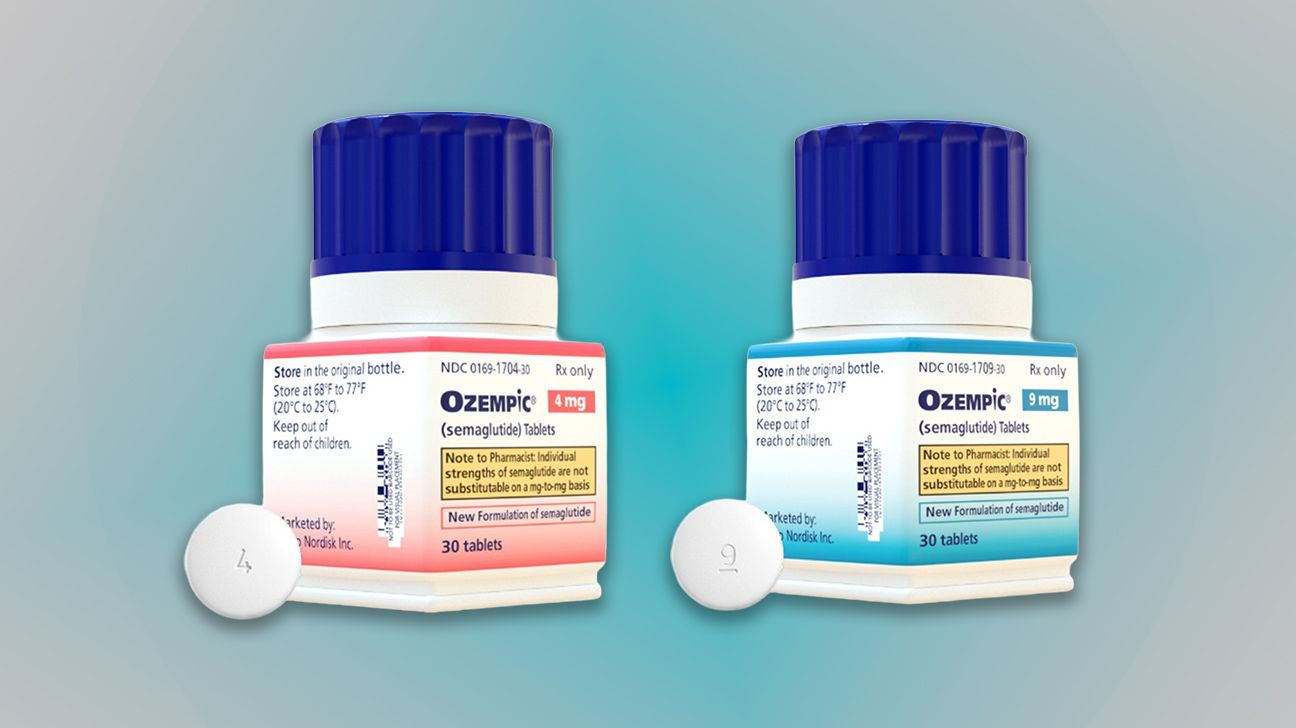
If you have type 2 diabetes, you have probably seen the buzz around weekly GLP-1 shots. They can help lower blood sugar and, in many cases, body weight. But injections still put some people off. That is why the idea of an Ozempic pill for type 2 diabetes matters right now. Novo Nordisk, the company behind Ozempic, is working on an oral version of semaglutide aimed at the same broad treatment space. For patients, this is not a small detail. A pill could lower the barrier to starting treatment, especially for people who delay care because they do not want a needle. But convenience alone does not settle the issue. You still need to ask the basic questions. How well might it work, who is it for, and will it actually be easier to use in real life?
What stands out
- Novo Nordisk is developing an oral semaglutide option that could expand access beyond injections.
- An Ozempic pill for type 2 diabetes may appeal to patients who avoid shots, but dosing rules can make pills less simple than they sound.
- Semaglutide is already available in oral form as Rybelsus, which gives doctors and patients some real-world context.
- Effectiveness, side effects, insurance coverage, and adherence will decide whether a pill becomes a true shift or just another option.
Why an Ozempic pill for type 2 diabetes is getting attention
Look, this story lands because semaglutide is already a proven drug. Ozempic, the injectable version, is widely used for type 2 diabetes. It belongs to the GLP-1 receptor agonist class, which helps the body release insulin when blood sugar rises, slows stomach emptying, and can reduce appetite.
That mix has made GLP-1 drugs some of the most watched medicines in diabetes care. And for good reason. The American Diabetes Association includes GLP-1 receptor agonists as a common option for many adults with type 2 diabetes, especially when weight loss or cardiovascular risk reduction matters. So if the same core medicine can move into a pill, people pay attention fast.
Convenience sells. But in diabetes treatment, convenience only matters if patients can stick with the regimen and still get solid glucose control.
How this compares with what already exists
Here is the part that gets lost in headlines. Novo Nordisk already sells oral semaglutide under the brand name Rybelsus. That means the idea of semaglutide as a pill is not brand-new science. The real interest is whether a broader or more powerful oral option can match more of what made Ozempic such a force in the market.
Why does that distinction matter? Because people often hear “Ozempic pill” and assume it is simply the shot turned into a tablet with no tradeoffs. It is usually more complicated than that. Oral formulations can differ in dose, absorption, and daily use requirements.
Think of it like cooking on a stove versus a grill. You can make the same meal, but the timing and technique are not identical.
What patients usually want to know first
Will a pill work as well as a shot?
Maybe, but that depends on the specific formulation and trial results. Injectable semaglutide has set a high bar. Oral semaglutide has shown meaningful blood sugar and weight benefits in clinical studies, though the exact comparison depends on dose and patient group. A new pill would need to prove it can deliver enough drug reliably through the digestive tract, which is harder than giving it by injection.
Will it be easier to take?
Not always. This is where hype runs ahead of reality. Rybelsus, for example, has to be taken on an empty stomach with a small amount of water, then you wait before eating or taking other medicines. For some people, that is still better than a shot. For others, a once-weekly injection is actually less of a hassle.
That tradeoff matters.
Will side effects change?
The usual semaglutide side effects are familiar. Nausea, vomiting, diarrhea, constipation, and stomach discomfort top the list. Those issues may still show up with a pill because they come from the drug itself, not just the delivery method. Anyone considering an oral version should still expect a gradual dose ramp and the same basic caution around gastrointestinal effects.
What the Healthline report suggests
Healthline’s report points to Novo Nordisk’s push to widen its diabetes treatment lineup with a pill form tied to the Ozempic brand story. That reflects a larger race in the drug industry. Companies want the metabolic benefits of GLP-1 drugs in formats that more people will accept and insurers will cover.
And that is the real contest. Not branding. Adoption.
Doctors already know many patients resist injectables, even when those drugs may help. Needle anxiety is one issue. So is the simple friction of starting something that feels more serious or clinical. A pill can soften that perception, which may lead some patients to begin treatment earlier (if cost and coverage line up).
Where an Ozempic pill for type 2 diabetes could help most
- Patients who delay treatment because of injections
A pill may feel less intimidating and easier to accept at the start. - People who want a GLP-1 but prefer a daily routine
Some patients do better with a morning medication habit than with remembering a weekly shot. - Primary care settings
A pill may be easier to discuss and prescribe in routine visits, especially when patients are hesitant. - Earlier intervention
If adherence holds up, oral treatment could help some people address rising A1C before complications build.
Where the excitement may outrun the facts
Honestly, the biggest gap is between “pill” and “easy.” Oral peptide drugs are tricky. Absorption can be finicky. Timing rules can annoy patients. And insurance plans may still place these drugs behind prior authorizations, step therapy, or steep copays.
Then there is supply. Anyone who followed shortages affecting GLP-1 drugs already knows what happens when demand outruns manufacturing. A new oral option could widen access, yes. But it could also create fresh pressure if uptake spikes.
One more point. Weight loss headlines often swallow diabetes reporting whole. That is a mistake. For people with type 2 diabetes, the core issue is glucose control, long-term complications, cardiovascular risk, and a treatment plan they can maintain. The scale matters, but it is not the only scoreboard.
Questions to ask your doctor if this option reaches you
- Would an oral semaglutide option fit my A1C goals?
- How would it compare with my current diabetes medicine?
- Would a daily pill be easier for me than a weekly injection?
- What side effects should I expect during dose increases?
- Will my insurance cover it, and are there cheaper alternatives?
- Do I have any conditions or medications that could complicate use?
What happens next
The next chapter will turn on evidence, not buzz. Regulators, clinicians, and payers will want to see how any new oral semaglutide product performs on A1C, weight, safety, adherence, and cost. That is the standard it has to meet.
But the direction is clear. Drugmakers are trying to make GLP-1 treatment feel more normal, less invasive, and easier to start. If Novo Nordisk can offer that without losing too much effectiveness, the Ozempic pill for type 2 diabetes could become a serious option. If not, the weekly shot may keep its edge. So the question is simple. Will patients prefer swallowing a pill if the fine print makes the routine harder than expected?
Sources
This article was medically reviewed and draws from peer-reviewed research and clinical guidelines published by:
- National Institute on Drug Abuse (NIDA)
- Substance Abuse and Mental Health Services Administration (SAMHSA)
- Centers for Disease Control and Prevention (CDC)
- MedlinePlus — U.S. National Library of Medicine
Content is reviewed for medical accuracy by our editorial team. Last reviewed: May 6, 2026.
Medical Disclaimer: This article is for educational purposes only. It is not a substitute for professional medical advice, diagnosis, or treatment. Always consult a qualified healthcare provider before making changes to your treatment plan. If you are experiencing a medical emergency, call 911 immediately. For substance use support, call SAMHSA at 1-800-662-4357 (free, confidential, 24/7).