
Paris Hilton on ADHD and Creative Sparkle
Paris Hilton on ADHD and Creative Sparkle
ADHD can feel like a brain that never hits the brakes. For some people, it also brings sharp ideas, fast connections, and a restless kind of energy. That mix is why the mainKeyword matters now. Public stories about ADHD often swing between two bad extremes. They either treat it like a superpower or like a total shutdown. Real life is messier. Paris Hilton’s comments about ADHD and creativity tap into a question many people ask themselves: if your mind moves fast, is that a gift, a burden, or both?
Look, the answer is not neat. ADHD can help you spot patterns quickly and think in unusual ways. It can also make deadlines, routines, and follow-through harder than they should be. Both can be true on the same day. That is why it helps to separate the spark from the strain, then build around the parts that trip you up most.
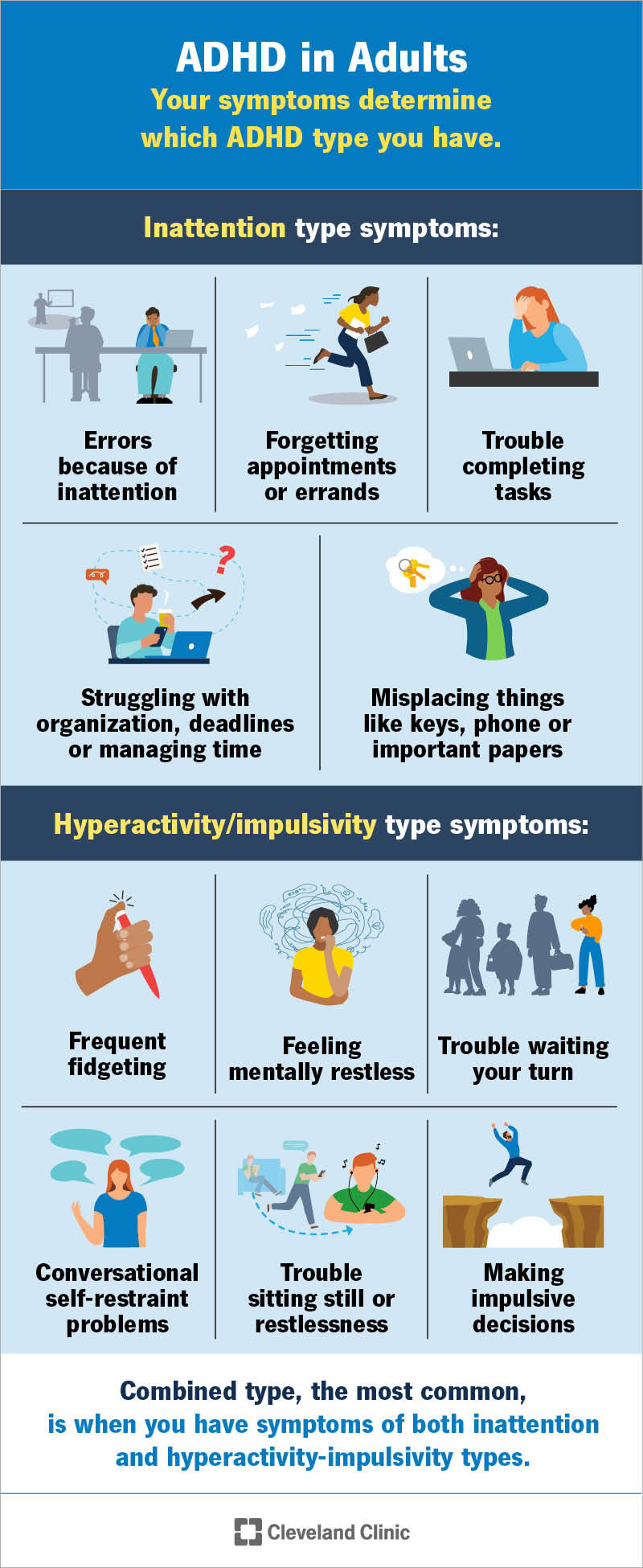
What ADHD often looks like in real life
- Attention shifts fast. You may start strong, then lose the thread.
- Time slips. Tasks feel smaller or larger than they are.
- Emotion runs hot. Frustration can spike quickly.
- Ideas come fast. That can help with creative work and problem solving.
- Systems matter. Structure often does more than willpower.
How the mainKeyword fits into creativity
Some people with ADHD describe a vivid inner life. They jump between concepts, notice odd details, and connect dots other people miss. That can help in music, design, writing, entrepreneurship, and other fields that reward quick pattern recognition.
But creativity is not a free pass. An idea is like a kitchen recipe. You still need the ingredients, timing, and heat. Without that, dinner does not happen. Same with ADHD and creative work. The idea may arrive fast, but execution still needs support.
ADHD can feed creative output, but it does not cancel the need for treatment, routines, or accommodations.
Why the public story about ADHD matters
Celebrity stories shape how people think about mental health. That can help reduce shame. It can also create bad shortcuts. If someone hears only the “creative spark” side, they may ignore the daily cost. If they hear only the “disorder” side, they may miss strengths that matter in school or work.
The best framing is plain. ADHD is a neurodevelopmental condition that affects attention, impulse control, and executive function. The National Institute of Mental Health and the Centers for Disease Control and Prevention both describe it that way. Creativity may show up, but it is not the diagnosis itself.
What helps if you think ADHD is affecting you
- Track the pattern. Notice when focus drops, what time of day it happens, and which tasks trigger it.
- Reduce friction. Use reminders, timers, visual lists, and fewer open tabs.
- Break work into smaller steps. Big tasks fail when they feel shapeless.
- Get a real evaluation. A clinician can check for ADHD and look for anxiety, depression, sleep problems, or substance use that can look similar.
- Ask about treatment options. Medication, coaching, therapy, and workplace or school accommodations can all help, depending on your needs.
What to watch for beyond the sparkle
Here is the thing. People often praise the upside and ignore the cost. But if you are losing jobs, missing bills, burning out, or feeling ashamed every week, the problem is bigger than a personality quirk. Are your habits helping you, or just helping you look fine for a while?
That question matters because ADHD support works best when it targets daily life. Not vibes. Not branding. Real routines, real treatment, real follow-through.
If Hilton’s comments push more people to look at ADHD without shame, that is a good thing. The next step is better than hype. It is honest assessment, practical support, and a plan that fits how your brain actually works.
What to do next if this sounds familiar
Start with one small change this week. Pick the task that causes the most friction, then add one support for it. A timer. A reminder. A body-double session. A shorter to-do list. Small fixes stack up fast when the problem is executive function, not effort.
And if you have been wondering whether your “creative spark” is actually ADHD, do not guess forever. Get checked. What you learn may change the way you work, study, and live.
Sources
This article was medically reviewed and draws from peer-reviewed research and clinical guidelines published by:
- National Institute on Drug Abuse (NIDA)
- Substance Abuse and Mental Health Services Administration (SAMHSA)
- Centers for Disease Control and Prevention (CDC)
- MedlinePlus — U.S. National Library of Medicine
Content is reviewed for medical accuracy by our editorial team. Last reviewed: August 30, 2026.
Medical Disclaimer: This article is for educational purposes only. It is not a substitute for professional medical advice, diagnosis, or treatment. Always consult a qualified healthcare provider before making changes to your treatment plan. If you are experiencing a medical emergency, call 911 immediately. For substance use support, call SAMHSA at 1-800-662-4357 (free, confidential, 24/7).