
PCOS Heart Attack Risk: What the New Research Means
PCOS Heart Attack Risk: What the New Research Means
If you have PCOS, you may already deal with irregular periods, acne, weight changes, or fertility stress. Now there is another issue that deserves attention: PCOS heart attack risk. New research tied PCOS to a higher chance of heart attack and stroke, which matters because many people with PCOS are young and do not expect cardiovascular trouble yet.
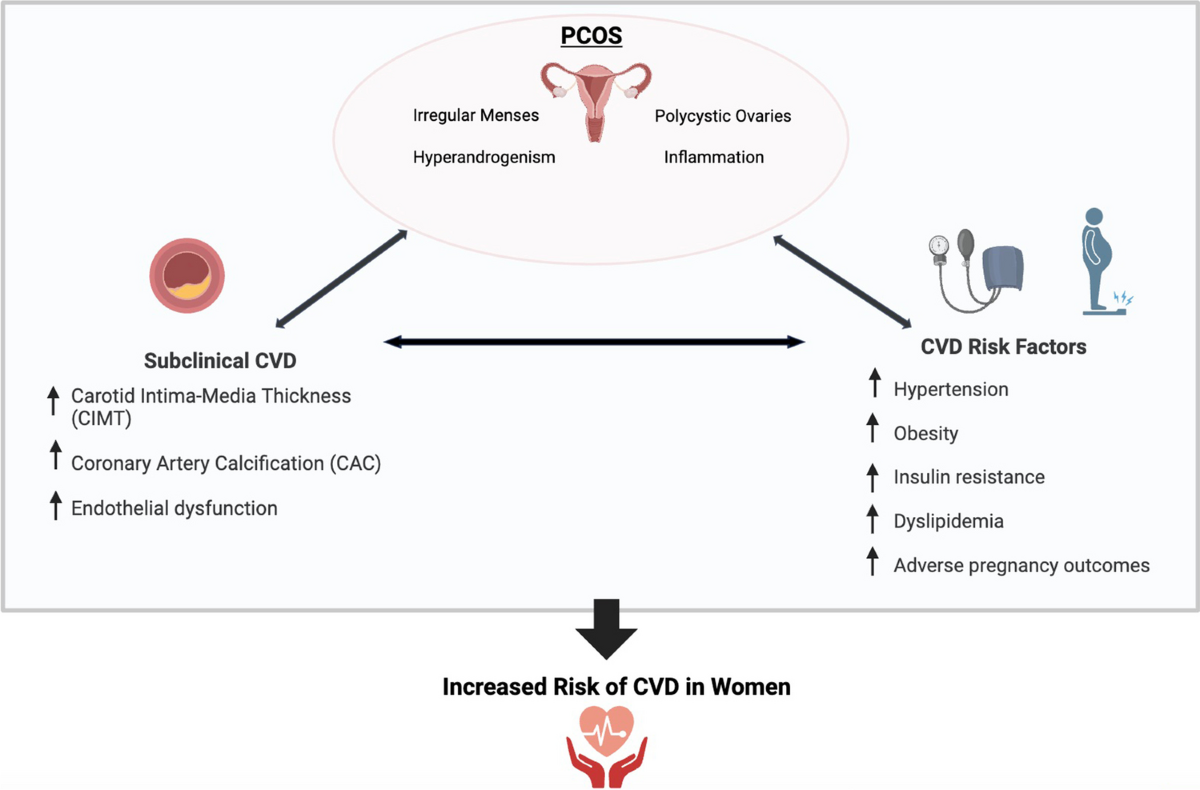
That gap between how you feel now and what may be building in the background is the problem. PCOS is not only a reproductive condition. It can also affect insulin, blood pressure, cholesterol, and inflammation. Those pieces matter for your arteries. And if your clinician has brushed this off as only a hormone issue, it may be time to push back. Why wait for a wake-up call?
What the PCOS heart attack risk study suggests
- Researchers found a higher rate of heart attack and stroke among people with PCOS.
- The risk appears tied to metabolic factors, not only hormones.
- Young adults with PCOS can still have meaningful cardiovascular risk.
- Screening for blood pressure, lipids, and blood sugar matters early.
The Healthline report points to a wider pattern seen in clinical research. PCOS often travels with insulin resistance, higher triglycerides, lower HDL cholesterol, and weight gain around the middle. That mix can strain the heart over time, even if you are years away from menopause.
PCOS should not be treated as a narrow gynecology issue. It can affect the whole metabolic system, and that includes your future heart health.
Why PCOS can raise cardiovascular danger
Think of your cardiovascular system like a house with plumbing and wiring running through the same walls. If one part gets overloaded, the damage can spread. PCOS can add pressure through insulin resistance, chronic low-grade inflammation, and changes in fat metabolism.
That does not mean every person with PCOS will have a heart attack or stroke. It does mean your baseline risk may be higher than you were told. And that changes what good care looks like.
Common risk factors that often show up with PCOS
- Insulin resistance or prediabetes
- High blood pressure
- Elevated LDL cholesterol or triglycerides
- Sleep apnea
- Central weight gain
- Family history of cardiovascular disease
Not everyone with PCOS has all of these. But even one or two can matter. That is why a one-size-fits-all checkup misses too much.
What you should ask your clinician about PCOS heart attack risk
Look, if your visits focus only on periods or fertility, you may leave with part of the picture. Ask for a broader review of your risk profile. That means more than a quick glance at your weight.
- Ask for blood pressure checks at every visit.
- Ask whether you need fasting glucose, A1C, or an oral glucose tolerance test.
- Ask for a lipid panel, including triglycerides and HDL.
- Ask whether sleep apnea screening makes sense if you snore or feel tired.
- Ask how often you should repeat these tests.
A useful care plan with PCOS should feel like preventive maintenance, not crisis management. You would not wait for a car engine to fail before checking the oil. Your cardiovascular system deserves the same logic.
How you can lower risk now
There is no magic fix, and that is the honest answer. But several habits can lower cardiovascular strain and improve PCOS symptoms at the same time.
- Move most days. Brisk walking, cycling, strength training, or swimming all help insulin sensitivity.
- Build meals around fiber and protein. This can reduce glucose spikes and help with satiety.
- Sleep enough. Poor sleep makes blood sugar control worse.
- Cut back on smoking. If you smoke, quitting is one of the fastest ways to reduce vascular damage.
- Take prescribed medication consistently. Some people need metformin, blood pressure treatment, or cholesterol medication.
Even small changes can move the numbers. A 10-minute walk after meals is simple, but it is not trivial. It helps your body handle glucose better, and that can matter more than people think.
PCOS heart attack risk: who should pay extra attention?
Some people with PCOS need closer follow-up than others. That includes anyone with a strong family history of early heart disease, gestational diabetes, high blood pressure, or abnormal cholesterol. If you also have obesity, sleep apnea, or prediabetes, your clinician should take a sharper look.
And if you are told you are “too young” for heart risk, remember that risk does not wait for a birthday. It builds quietly. Often for years.
What this research changes, and what it does not
This study should change the way clinicians think about PCOS care. It supports earlier screening and a more complete metabolic workup. It does not mean panic, and it does not mean every symptom points to heart disease.
Still, the signal is strong enough to matter. If you have PCOS, ask for a plan that includes your heart, not just your cycle. The next appointment should answer a bigger question: what is your risk trajectory from here?
What to do before your next visit
Bring a short list. Ask for your blood pressure, A1C, cholesterol results, and a plan for follow-up. If your clinician cannot explain how PCOS heart attack risk is being tracked, that is a sign to keep asking, or get a second opinion.
Better care starts when you stop accepting vague reassurance. What would your numbers say if you checked them today?
Sources
This article was medically reviewed and draws from peer-reviewed research and clinical guidelines published by:
- National Institute on Drug Abuse (NIDA)
- Substance Abuse and Mental Health Services Administration (SAMHSA)
- Centers for Disease Control and Prevention (CDC)
- MedlinePlus — U.S. National Library of Medicine
Content is reviewed for medical accuracy by our editorial team. Last reviewed: July 24, 2026.
Medical Disclaimer: This article is for educational purposes only. It is not a substitute for professional medical advice, diagnosis, or treatment. Always consult a qualified healthcare provider before making changes to your treatment plan. If you are experiencing a medical emergency, call 911 immediately. For substance use support, call SAMHSA at 1-800-662-4357 (free, confidential, 24/7).