
Pennsylvania Marijuana Legalization: What a Governor Shift Could Mean
Pennsylvania Marijuana Legalization: What a Governor Shift Could Mean
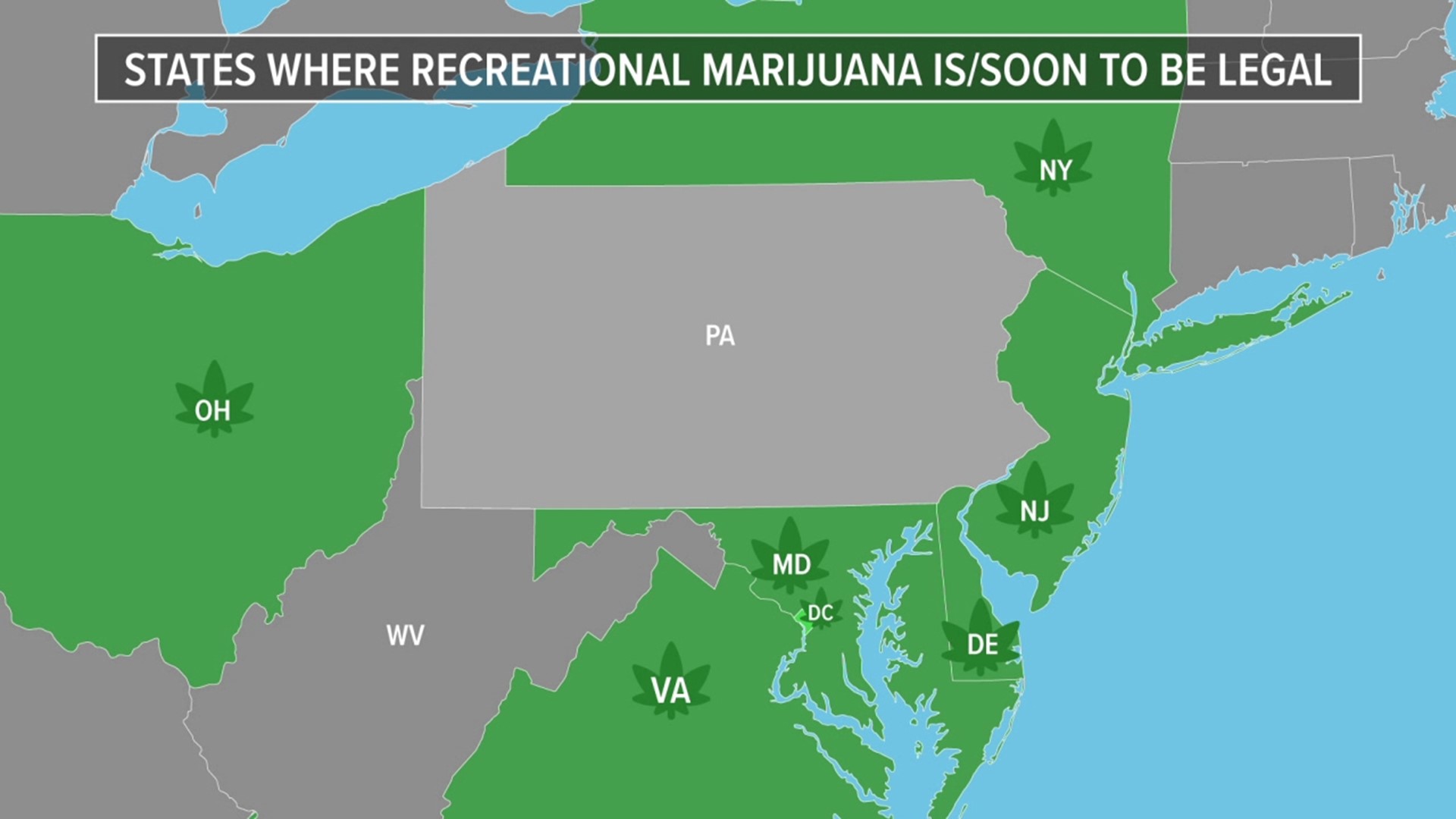
Pennsylvania voters keep hearing that adult-use cannabis is close, yet bills stall and neighboring states cash in. If Pennsylvania marijuana legalization hinges on the next governor, you need to know how leadership choices translate into policy, tax revenue, and policing changes. The pressure is real: New Jersey dispensaries already pull Pennsylvanians across the bridge, and employers still face a patchwork of rules. This guide breaks down what a pro-legalization governor can do on day one, what lawmakers must fix, and how patients and consumers can prepare. The goal is simple: make sure you are ready before the debate flips from theory to signed law.
Quick hits
- A governor can direct agencies to draft adult-use regulations before a bill passes.
- Border bleed to New Jersey highlights lost tax revenue and ongoing arrests at home.
- Expungement mechanics matter more than slogans; check eligibility criteria early.
- Local opt-outs and zoning will shape where dispensaries appear first.
- Labor rules and workplace testing policies lag behind public opinion.
How a Governor Drives Pennsylvania Marijuana Legalization
A governor cannot legalize alone, but they can push the bureaucracy into motion. Think of it like baseball: a good manager cannot hit the ball, yet the lineup card changes everything. Expect agency heads to begin drafting permit frameworks, lab standards, and advertising rules even before final votes. That prep shortens the launch window once a bill lands on the desk.
“If the executive branch waits for perfection, the market launches without Pennsylvania,” one policy analyst told me.
Would you rather have rules shaped by people who prepared, or by last-minute edits under lobby pressure?
Priority moves in the first 100 days
- Order the health and revenue departments to map licenses, testing, and seed-to-sale tracking.
- Set up an expungement task force with clear filing steps and public-facing timelines.
- Clarify interim guidance for employers on THC testing, medical accommodation, and safety roles.
- Engage county and city leaders to reduce zoning fights that delay storefronts.
This is where momentum either accelerates or stalls.
What Residents Should Watch in the Legalization Bills
Bill text determines whether small growers enter or large multistate operators dominate. Licensing caps, equity grants, and tax rates all shape prices and access. A high tax paired with strict advertising limits could keep the illicit market strong. A balanced excise structure, paired with equity startup funds, keeps pricing realistic while nudging consumers to legal shops.
Look at how New Jersey handled home grow: it is still banned for adults. If Pennsylvania repeats that, expect frustration and ongoing enforcement costs. A governor signaling support for limited home cultivation can swing the debate.
Expungement and Policing Under Pennsylvania Marijuana Legalization
Clearing records is the moral anchor of any cannabis bill. Automatic expungement beats petition-based systems that bury people in paperwork. Ask whether the proposal funds court technology upgrades and community legal aid. Without that cash, promises die in backlog.
Police guidance is another quiet hinge. Agencies need clear stop-and-search rules tied to odor and possession thresholds. Without it, roadside encounters stay murky.
Workplace Rules and Employer Compliance
Employers worry about safety roles and federal contracts. The bill should distinguish between impairment on the job and past use. Clear thresholds and appeal processes cut down on unfair firings. A pro-legalization governor can convene unions, insurers, and employers to draft model policies. That early alignment avoids the “wait and see” freeze that slows hiring.
Local Control and the First Wave of Stores
Local opt-outs decide who sees storefronts first. Towns that welcome dispensaries will get the jobs and tax dollars. Others will watch traffic flow to neighbors. A governor can tie grants or infrastructure dollars to participation, nudging hesitant councils.
One single sentence paragraph lives here.
Analogy Check: Building a House
Legalization is like building a house. You need permits, a blueprint, and inspectors before the walls go up. If the crew rushes, you end up with leaks. If they plan well, you move in on time. That is why pre-regulation work matters.
How to Prepare as a Consumer or Patient
- Verify your current medical card status and renew early to avoid gaps.
- Monitor legislative calendars and committee hearings to submit comments.
- Ask employers about upcoming policy changes on THC testing.
- Check local council agendas for zoning on potential dispensary locations.
Action now saves frustration later.
Sources to Trust While the Debate Shifts
Rely on state agency releases, fiscal notes, and independent policy shops over rumor threads. Cross-check claims about revenue projections against New Jersey and New York data. Balanced coverage beats hype, every time.
What Happens If the Bill Stalls Again?
Border purchases continue, arrests persist, and small businesses lose time. Patients stay in limbo as federal scheduling debates inch forward. The next governor can keep pressure on the legislature by publishing draft rules and budget placeholders, making inaction look costly.
Looking Ahead
Pennsylvania has a window to set a fair, competitive cannabis market that fixes past harms. The next governor either treats legalization as a checklist item or as a serious economic and public health project. Which version do you want to live with?
Sources
This article was medically reviewed and draws from peer-reviewed research and clinical guidelines published by:
- National Institute on Drug Abuse (NIDA)
- Substance Abuse and Mental Health Services Administration (SAMHSA)
- Centers for Disease Control and Prevention (CDC)
- MedlinePlus — U.S. National Library of Medicine
Content is reviewed for medical accuracy by our editorial team. Last reviewed: April 9, 2026.
Medical Disclaimer: This article is for educational purposes only. It is not a substitute for professional medical advice, diagnosis, or treatment. Always consult a qualified healthcare provider before making changes to your treatment plan. If you are experiencing a medical emergency, call 911 immediately. For substance use support, call SAMHSA at 1-800-662-4357 (free, confidential, 24/7).