
Plain Packaging for UK Vapes: What It Means Now
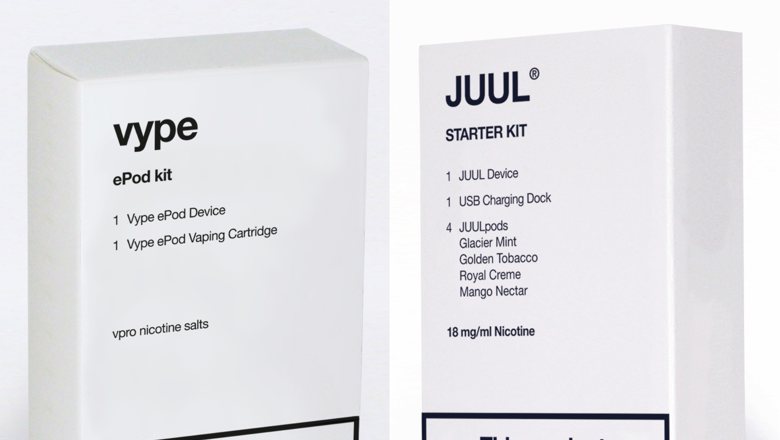
Plain Packaging for UK Vapes: What It Means Now
Plain packaging for UK vapes is no longer a fringe policy idea. It is part of a wider push to make vaping less attractive to young people and harder for brands to sell on style. That matters because vape use has become a public health and regulatory flashpoint in the UK, with ministers, health groups, and traders all pulling in different directions.
For you, the real question is simple. If packaging loses color, logos, and shelf appeal, does that change who buys vapes, how products are marketed, and how the market works? The answer is likely yes, at least at the margins. And those margins can be seismic when a product category already sits under pressure from age checks, disposable vape restrictions, and tighter advertising rules.
Look, this is not just about design. It is about access, perception, and enforcement. Once you strip away the branding, the debate shifts to the product itself, which is exactly where regulators want it.
What plain packaging for UK vapes is meant to do
- Reduce youth appeal by removing bright colors, brand cues, and playful design.
- Make products look less like lifestyle goods and more like regulated nicotine products.
- Limit marketing by packaging when other forms of promotion are already restricted.
- Support enforcement by making it harder for brands to hide product differentiation in flashy wrappers.
The logic is borrowed from tobacco control. Plain cigarette packs in the UK use a standard look with health warnings, and public health advocates want vapes pushed in that same direction. Not because the products are identical, but because packaging still does a lot of marketing work.
Think of it like a football kit without club colors or sponsor badges. The team is still there, but much of the identity is gone. That is the point.
Why plain packaging for UK vapes is back on the table
Health officials have worried for years that some vape brands are built to catch the eye of teenagers. Disposable devices, sweet flavor names, and compact packaging made the category easy to sell as a trend item. That has driven calls for tighter controls from campaigners and some lawmakers.
The government has also been trying to square two goals that do not sit comfortably together. It wants to keep vapes available for adult smokers who are trying to quit, while cutting down on underage use. Plain packaging is meant to hit the second goal without banning the products outright.
Plain packaging is a blunt tool. It does not remove nicotine, flavors, or price competition. But it can still change first impressions, and first impressions matter in nicotine markets.
That is why the policy keeps returning. It is politically tidy. It looks targeted. And it lets ministers say they are acting without reaching for a full ban.
What changes for retailers and manufacturers?
If plain packaging becomes mandatory, brands will lose one of their easiest sales tools. Shelf presence gets flatter. Product lines become harder to distinguish at a glance. Retail staff may need to explain more details, which can slow sales and increase mistakes if stores are busy.
Manufacturers will likely respond by shifting focus to product names, device shapes, and flavor labels, unless those are also restricted. That is where policy design gets tricky. If you block one route, marketing often moves to another.
Retail compliance will matter. If the rules are loose, bad actors will exploit them. If they are strict, smaller legitimate sellers may face extra costs for relabeling, inventory changes, and staff training.
What a shop owner should expect
- Packaging stock may need replacing faster than usual.
- Product displays may become harder to organise.
- Staff will need clearer scripts for age checks and product explanations.
- Suppliers may pass on redesign and compliance costs.
And yes, those costs can land first on independent shops, not the big chains with legal teams and compliance departments.
Does plain packaging for UK vapes actually work?
That is the part everyone argues about. Evidence from tobacco control suggests plain packs reduce brand appeal and can make harmful products less attractive, especially to younger people. The UK also has prior experience showing that packaging rules can change consumer perceptions, even if they do not transform behavior overnight.
But vapes are not cigarettes, and that matters. Vapes are used by both smokers trying to quit and people who never smoked. So policy makers face a messier problem than they did with tobacco.
Would plain packaging stop youth vaping on its own? Probably not. But it could be one layer in a wider strategy that includes age verification, flavor rules, retailer enforcement, and marketing limits.
How this fits into the wider UK vaping crackdown
Plain packaging does not sit alone. It fits into a broader pattern of UK regulation around disposable vapes, recycling, product standards, and youth access. The direction of travel is clear. Less visual appeal. More control. More scrutiny.
For adult smokers, that does not automatically mean worse access to quitting tools. But it does mean the market will feel less casual and more regulated. That is intentional. Regulators want vapes to look like a nicotine product, not a toy or a fashion accessory.
That shift may be uncomfortable, but it is not random. It reflects a basic public health judgment that packaging can shape behavior, especially in a category where impulse buying still matters.
What to watch next
The key questions are practical. Will the UK government limit only colors and logos, or also flavor names and device descriptions? Will the rules apply to all vape products or only disposables? And how quickly will enforcement follow if the policy moves ahead?
Keep an eye on three things:
- Final wording in the regulations.
- How Trading Standards will enforce the rules.
- Whether brands challenge the policy or redesign around it.
Plain packaging for UK vapes is about more than appearance. It is a test of how far the state wants to go in shaping a nicotine market that still sits between harm reduction and youth prevention. The next move will tell you which side is winning.
Sources
This article was medically reviewed and draws from peer-reviewed research and clinical guidelines published by:
- National Institute on Drug Abuse (NIDA)
- Substance Abuse and Mental Health Services Administration (SAMHSA)
- Centers for Disease Control and Prevention (CDC)
- MedlinePlus — U.S. National Library of Medicine
Content is reviewed for medical accuracy by our editorial team. Last reviewed: July 31, 2026.
Medical Disclaimer: This article is for educational purposes only. It is not a substitute for professional medical advice, diagnosis, or treatment. Always consult a qualified healthcare provider before making changes to your treatment plan. If you are experiencing a medical emergency, call 911 immediately. For substance use support, call SAMHSA at 1-800-662-4357 (free, confidential, 24/7).