
Poop Pills for Peanut Allergy: What Early Results Show
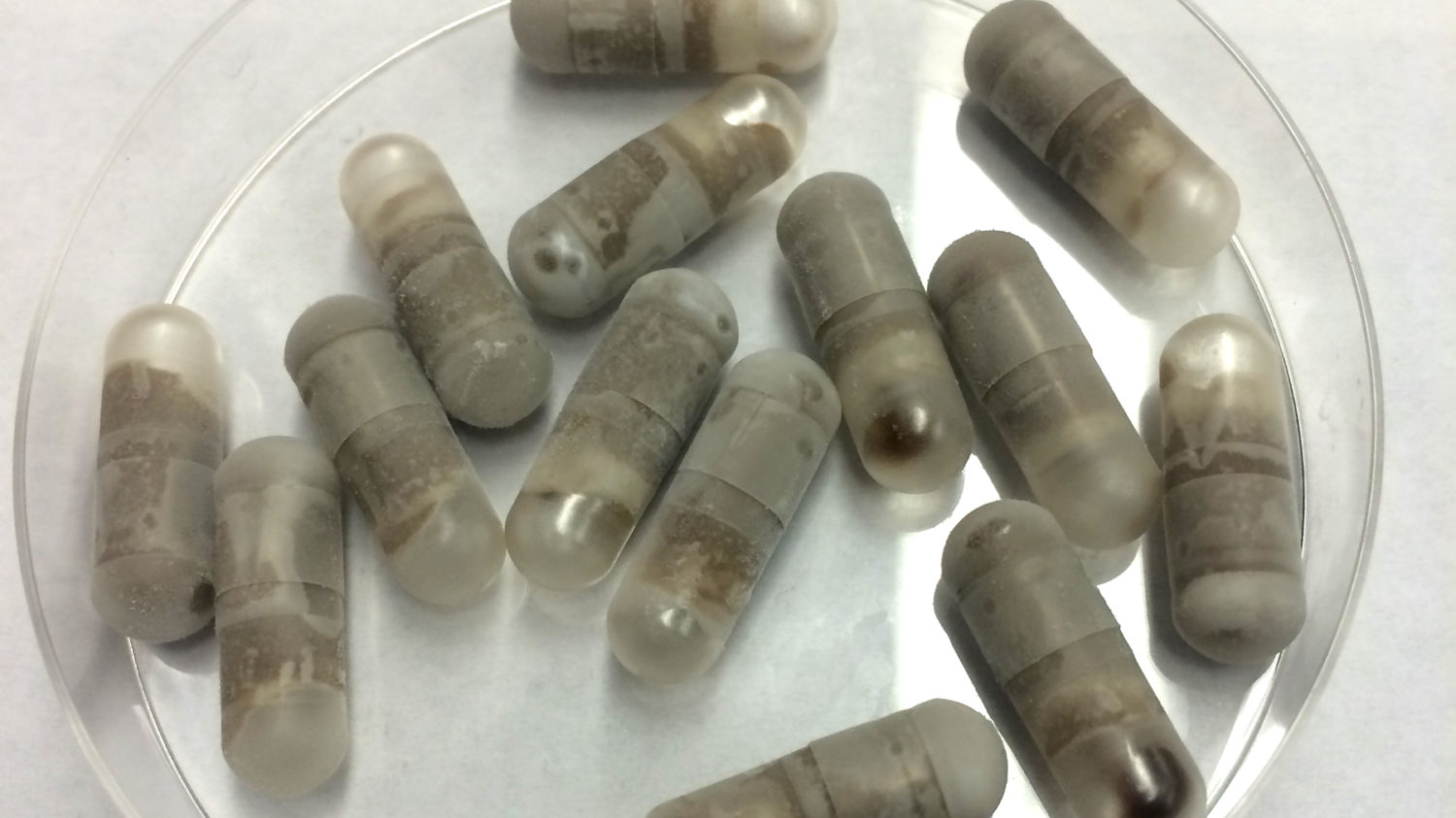
Poop Pills for Peanut Allergy: What Early Results Show
If you or your child lives with a severe peanut allergy, every meal, snack, and label scan can feel like a minefield. That is why the latest poop pills research has gotten so much attention. The idea sounds odd, but the goal is simple. Scientists are testing whether changing the gut microbiome can help the immune system react less aggressively to peanuts.
There is reason to pay attention. Early studies suggest some people may build a bit more tolerance after taking capsules made from processed stool material, a form of fecal microbiota transfer. But this is not a cure, and it is nowhere near routine care. The real question is whether the gut can be trained to calm an allergy response without the risks of traditional desensitization. Can a treatment that starts in the gut really change how the immune system behaves? Maybe. But for now, the evidence is still thin and the bar is high.
What the early poop pills findings actually show
- The treatment uses fecal microbiota capsules, not a food additive or supplement.
- Early trials suggest some participants tolerated peanut exposure better after treatment.
- The research is small, so the results do not prove the approach works broadly.
- This is still experimental and not a replacement for allergy care plans.
Look, allergy science has been working on the gut-immune link for years. That part is not hype. The gut microbiome helps shape immune signals, and researchers have already studied microbiome changes in conditions like eczema, asthma, and food allergy. But peanut allergy is a different beast. It can trigger fast, severe reactions, so even a small treatment effect has to be proven carefully.
Early promise is not the same as proven treatment. In food allergy, that distinction matters more than usual because the downside risk is real and immediate.
How poop pills are supposed to work
Fecal microbiota capsules aim to move healthy gut bacteria into someone whose microbial balance may be off. Think of it like redoing the wiring in an old house. If the system is misfiring, changing the environment may help, but it does not guarantee every switch works the way you want. In this case, the target is the immune system’s overreaction to peanut proteins.
Researchers hope the new gut bacteria can influence inflammation, gut barrier function, and immune signaling. That is a serious scientific bet. It is also a long shot if you expect instant change, because the microbiome is only one part of a very complex allergy process.
What makes this different from standard peanut allergy treatment?
Current peanut allergy treatment usually centers on avoidance, emergency epinephrine, and in some cases oral immunotherapy under specialist care. Those approaches are based on controlled exposure or emergency planning. Fecal microbiota therapy is different. It tries to change the terrain instead of nudging the immune system one dose at a time.
That sounds elegant, but elegant does not mean ready for clinics. Food allergy treatment needs strong safety data, especially for children. And because reactions can escalate fast, researchers need more than a few positive signals before they can call this useful.
Why scientists are interested anyway
- Food allergy rates have been rising in many countries.
- The microbiome is now linked to immune regulation in multiple conditions.
- Some patients do not do well with existing allergy strategies.
That mix creates pressure to keep testing new ideas. Fair enough. But pressure is not proof.
Poop pills and peanut allergy: what the limits are
The biggest limit is sample size. Small early studies can point in a promising direction, then fade when tested in larger groups. Another issue is durability. Even if a person shows better tolerance for a while, researchers still need to know how long that effect lasts and whether it meaningfully changes real-world safety.
There is also the question of who benefits. Not every allergy looks the same, and not every gut microbiome is the same. That means one person’s response may not tell you much about the next person’s outcome. Science likes clean answers. Biology rarely cooperates.
One more thing. Safety has to stay front and center, because poop pills come from human donor material and that brings screening, processing, and contamination concerns. Any future treatment would need strict manufacturing standards and careful oversight.
Should families with peanut allergy pay attention now?
Yes, but with a hard dose of realism.
This research is worth watching because it could open a new path for food allergy treatment. Still, families should not change care plans based on early headlines. The sensible move is to keep using proven precautions, stay current on epinephrine access, and ask an allergist about any clinical trial only if one becomes available and appropriate.
Honestly, that is the smartest posture with most early-stage allergy science. Be curious. Be skeptical. Do not confuse attention with adoption.
What to watch next in poop pills research
The next round of studies should answer a few non-negotiable questions. Do the capsules change peanut tolerance in a durable way? Do they work better for some patients than others? And can researchers show a clear safety profile that holds up outside a tiny pilot group?
If future trials answer yes, this could become a real clinical story instead of a curiosity piece. If not, the gut microbiome may still teach us a lot about food allergy, even if poop pills never reach the medicine cabinet. That is where the field is now, and it is the right place to be. What matters next is whether the science can move from interesting to useful.
Sources
This article was medically reviewed and draws from peer-reviewed research and clinical guidelines published by:
- National Institute on Drug Abuse (NIDA)
- Substance Abuse and Mental Health Services Administration (SAMHSA)
- Centers for Disease Control and Prevention (CDC)
- MedlinePlus — U.S. National Library of Medicine
Content is reviewed for medical accuracy by our editorial team. Last reviewed: August 17, 2026.
Medical Disclaimer: This article is for educational purposes only. It is not a substitute for professional medical advice, diagnosis, or treatment. Always consult a qualified healthcare provider before making changes to your treatment plan. If you are experiencing a medical emergency, call 911 immediately. For substance use support, call SAMHSA at 1-800-662-4357 (free, confidential, 24/7).