
Prenatal Tylenol and Autism: What the Latest Studies Show
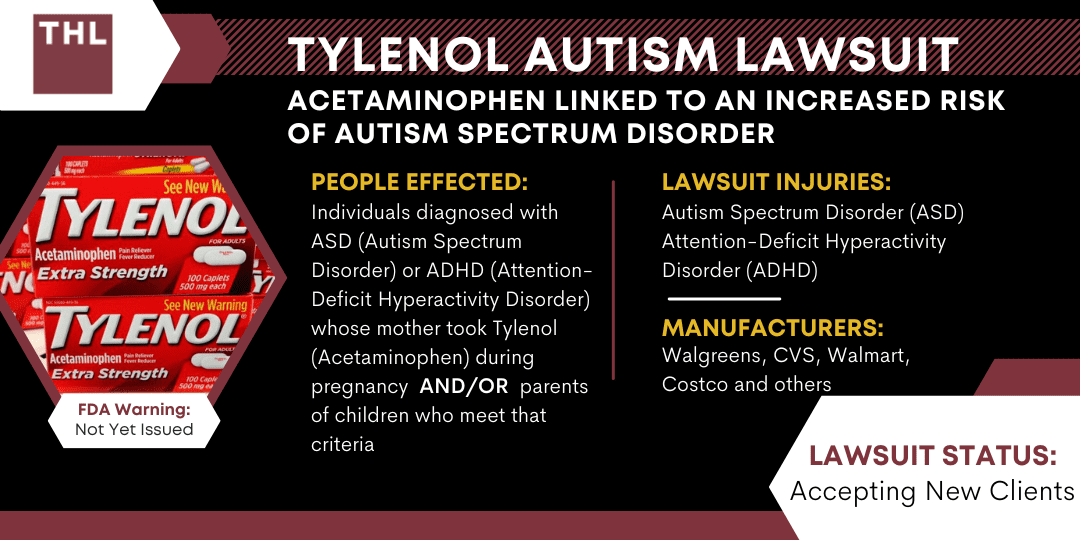
Prenatal Tylenol and Autism: What the Latest Studies Show
If you are pregnant and dealing with fever, headaches, or body pain, you may be wondering if Tylenol is safe. The anxiety is real, and the internet has made it worse. The current research on prenatal Tylenol autism does not show a clear causal link, even though the topic keeps getting recycled in headlines and social posts. That matters because fear can push people away from treating fever and pain, which can carry its own risks during pregnancy.
Here’s the practical question: what should you trust, and what should you ignore? The best answer starts with the studies themselves, not with rumor.
What the evidence says about prenatal Tylenol autism
- Large studies have not confirmed a cause-and-effect link between acetaminophen use in pregnancy and autism.
- Some older studies found associations, but an association is not the same thing as causation.
- Family-based and sibling-controlled research has weakened the idea that Tylenol itself is the driver.
- Experts still recommend using the lowest effective dose for the shortest time needed.
- Fever and untreated pain also matter, so avoiding all medication can backfire.
Why this debate keeps coming back
Tylenol, which contains acetaminophen, is one of the few pain relievers commonly used during pregnancy. That makes it a lightning rod for concern. Parents want certainty, but pregnancy medicine rarely offers clean lines.
Some studies have reported a link between prenatal acetaminophen exposure and later neurodevelopmental outcomes, including autism and ADHD. But those studies often face a hard problem: the reason someone took the medication may matter just as much as the medication itself. Fever, infection, chronic pain, and other health issues can confuse the picture.
“An association in a study is a clue. It is not a verdict.”
How researchers separate signal from noise
Look, this is where the science gets serious. If researchers want to know whether Tylenol causes a problem, they have to strip away the messy stuff around it. Did the mother have an infection? Was there fever? Did siblings in the same family have different exposure patterns?
That is why sibling-comparison studies matter. They compare children from the same family, which helps reduce the impact of shared genetics and home environment. Those designs have generally found that the apparent risk drops a lot, sometimes disappearing altogether.
Think of it like testing a new pan in a kitchen. If dinner burns, was it the pan, the burner, or the recipe? You need to control for more than one variable before you blame the equipment.
What that means for you
If you saw a headline claiming Tylenol causes autism, read it twice. Ask whether the study found a true causal effect or only a statistical association. Those are very different things.
And yes, that distinction is non-negotiable.
Prenatal Tylenol autism and the role of fever
Fever during pregnancy is not something to shrug off. High fever, especially early in pregnancy, can raise concerns of its own. That is one reason clinicians still consider acetaminophen a reasonable option when it is medically needed.
The American College of Obstetricians and Gynecologists has said acetaminophen remains an appropriate choice for pain and fever in pregnancy when used as directed. The FDA has also said that pregnant people should talk with a health care professional before using any over-the-counter medication for a long time or at high doses.
So what should you do if you are worried? Talk to your obstetrician or midwife before making changes. Do not let fear of one headline push you into untreated fever or uncontrolled pain.
What the latest studies do and do not prove
- They do not prove Tylenol causes autism. A consistent causal link has not been established.
- They do show why caution matters. Medication use during pregnancy should always be thoughtful and targeted.
- They do not support panic. The evidence does not justify blanket claims.
Some readers want a yes-or-no answer. Science rarely works that way. Can a medicine be both widely used and still worth discussing carefully? Of course. That is normal medicine, not scandal.
How to think about acetaminophen during pregnancy
Use it with purpose. Use the smallest dose that helps. Use it for the shortest time you need. That advice sounds plain because it is plain, and plain is often better than dramatic.
If you need repeated doses, have a conversation with your clinician. Ongoing pain or fever can signal something that deserves treatment beyond an over-the-counter pill. If you are already managing migraine, arthritis, or a viral illness, the plan should be individualized.
Practical questions to ask your clinician
- Do I need medication at all, or can I try a non-drug option first?
- Is acetaminophen the best choice for my symptom?
- How much is safe for me, and for how long?
- Could my fever or pain point to another problem?
That last question matters more than people think. Sometimes the real issue is the condition, not the pain reliever.
What to watch next
Researchers will keep studying prenatal medication exposure, genetics, and child development. Good. We need that work. But the next headline should not outrun the evidence.
If you are pregnant now, the smarter move is not panic. It is a measured plan with your clinician, one that treats symptoms without feeding internet hysteria. The science is still being watched, but for now the strongest evidence does not support a simple prenatal Tylenol autism claim. What matters next is whether public conversation can finally catch up.
Sources
This article was medically reviewed and draws from peer-reviewed research and clinical guidelines published by:
- National Institute on Drug Abuse (NIDA)
- Substance Abuse and Mental Health Services Administration (SAMHSA)
- Centers for Disease Control and Prevention (CDC)
- MedlinePlus — U.S. National Library of Medicine
Content is reviewed for medical accuracy by our editorial team. Last reviewed: July 10, 2026.
Medical Disclaimer: This article is for educational purposes only. It is not a substitute for professional medical advice, diagnosis, or treatment. Always consult a qualified healthcare provider before making changes to your treatment plan. If you are experiencing a medical emergency, call 911 immediately. For substance use support, call SAMHSA at 1-800-662-4357 (free, confidential, 24/7).