
Prescription Drug Content: How to Spot Misleading Advice Online
Prescription Drug Content: How to Spot Misleading Advice Online
Prescription drug content on social media can look reassuring fast. A creator shares a personal routine, a symptom, and a before-and-after clip, and suddenly a medicine seems simple, safe, and universal. That matters now because platforms reward speed, not context, and the line between a lived experience, a paid post, and medical advice is easy to miss. The result is noisy and sometimes risky. People can copy dosing ideas, ignore side effects, or assume a drug that helped one person will work the same way for them. The FDA and FTC have both pushed for clearer disclosure in drug promotion, but the feed still mixes ads, anecdotes, and health claims in the same scroll. You need a cleaner way to judge what you are seeing before it shapes a decision.
What matters most
- Personal stories are not prescriptions. A good result for one person does not tell you whether a drug is right for you.
- Sponsored posts need closer reading. Disclosure matters, but a label does not make a claim accurate.
- Context changes everything. Diagnosis, dosage, age, other medicines, and health history all affect safety.
- Reliable content shows limits. It names risks, uncertainty, and the need for medical follow-up.
Why prescription drug content spreads so fast
Short videos reward a neat story. A creator shows a problem, points to a pill, then wraps the whole thing in a thirty second arc that feels complete. That format is powerful, but it strips away the boring parts that matter most, like who prescribed the drug, what the diagnosis was, and whether side effects showed up later. If a clip leaves out the diagnosis, dose, and side effects, what exactly are you supposed to learn from it?
There is also money in the mix. The FTC expects clear disclosure when content is paid or sponsored, and the FDA expects fair balance when prescription drugs are promoted, but those rules do not stop every blurry post from slipping through. Some creators speak from real experience. Others are selling something. The feed often makes those two look the same.
How to judge prescription drug content before you trust it
Your pharmacist is usually the fastest reality check.
- Check who benefits. If the post pushes a product, a link, or an affiliate code, pause and ask whether the creator is helping you or closing a sale.
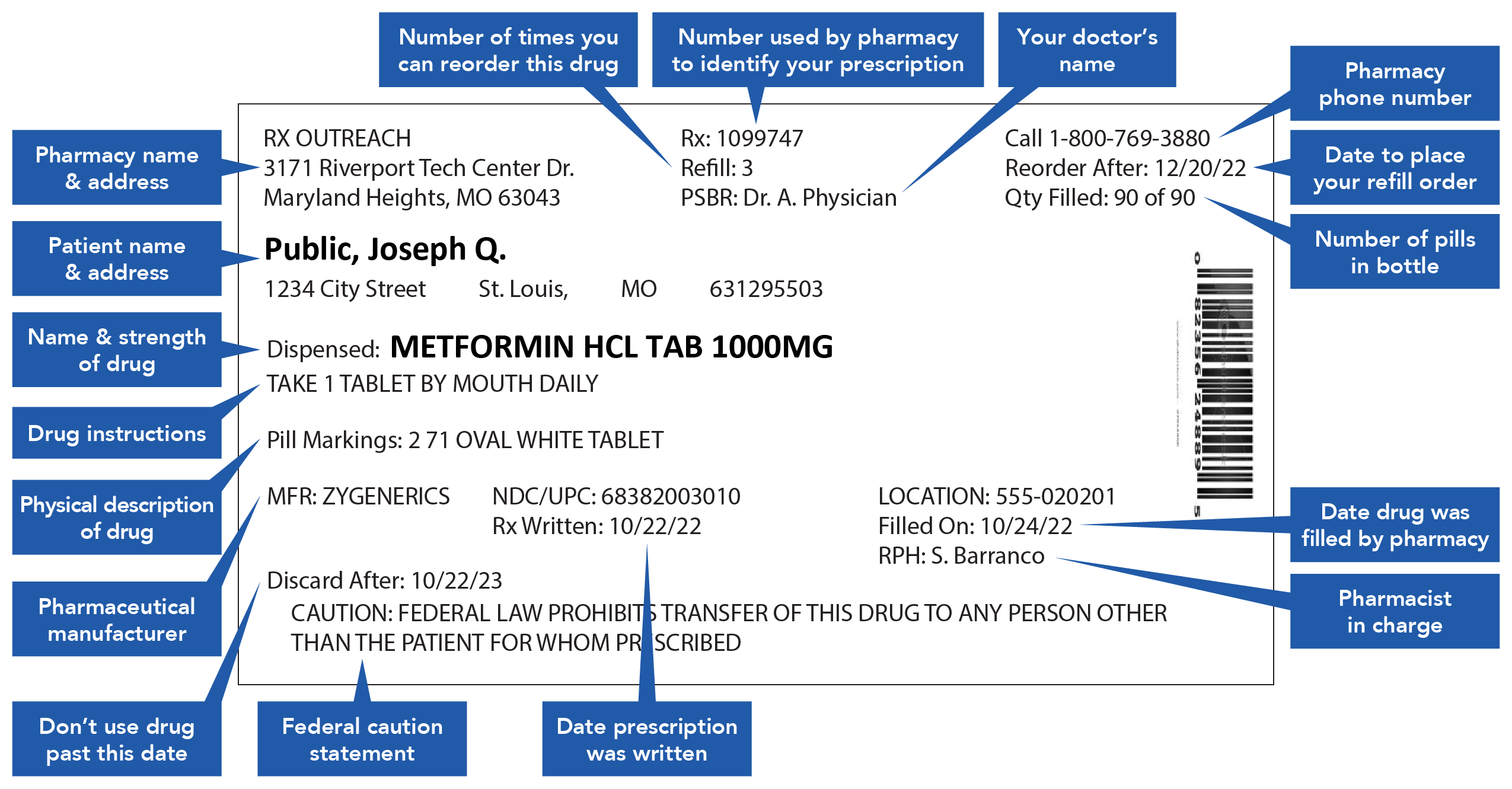
- Look for specifics. A real drug discussion usually includes the generic name, the reason it was prescribed, and the main risks, not just the upside.
- Separate experience from evidence. A personal story can be useful, but it is still one data point. It does not replace clinical trials, label information, or medical advice.
- Watch for one size fits all language. Claims like this works for everyone or nobody talks about this risk are a red flag.
- Pause before you share. A repost can spread bad advice faster than the original video (especially when the clip is emotional and fast paced).
Good prescription guidance names the drug, the reason for it, and the risks. If any of those are missing, the post is incomplete.
What reliable prescription drug content looks like
Useful content does a few plain things well. It tells you what the medicine is for, who should avoid it, and what side effects need attention. It also says when the evidence is thin or when the creator is talking about a single case, not a broad pattern.
Look for references to FDA labeling, peer reviewed research, or a clinician who can explain why the advice matters. A solid post will not promise the same result for every body. It will not treat a complex drug like a kitchen shortcut. Medication decisions are more like choosing the right beam in a building than picking a garnish for dinner. The fit has to hold under pressure.
When to stop scrolling and ask a professional
Bring a clinician into the loop if a post suggests a dose change, a new drug, or a reason to stop a medicine you already take. That step matters even more if you are pregnant, managing diabetes or heart disease, or taking several prescriptions at once. The feed cannot check your kidney function or your drug interactions.
Also call a professional if a video encourages you to ignore warning signs, chase a miracle result, or treat one person’s side effect as proof that the drug is bad for everyone. Real care is slower than social media. That is a feature, not a flaw.
A better way to use the feed
Treat social media like a tip line, not a prescription pad. If a post makes you curious, save the drug name, the claim, and the context, then bring those details to a pharmacist or doctor. You will get a real answer instead of a scroll born guess. And if a creator is selling certainty, what are they leaving out?
Sources
This article was medically reviewed and draws from peer-reviewed research and clinical guidelines published by:
- National Institute on Drug Abuse (NIDA)
- Substance Abuse and Mental Health Services Administration (SAMHSA)
- Centers for Disease Control and Prevention (CDC)
- MedlinePlus — U.S. National Library of Medicine
Content is reviewed for medical accuracy by our editorial team. Last reviewed: April 16, 2026.
Medical Disclaimer: This article is for educational purposes only. It is not a substitute for professional medical advice, diagnosis, or treatment. Always consult a qualified healthcare provider before making changes to your treatment plan. If you are experiencing a medical emergency, call 911 immediately. For substance use support, call SAMHSA at 1-800-662-4357 (free, confidential, 24/7).