
Prison Health Care Accountability Failures
Prison Health Care Accountability Failures
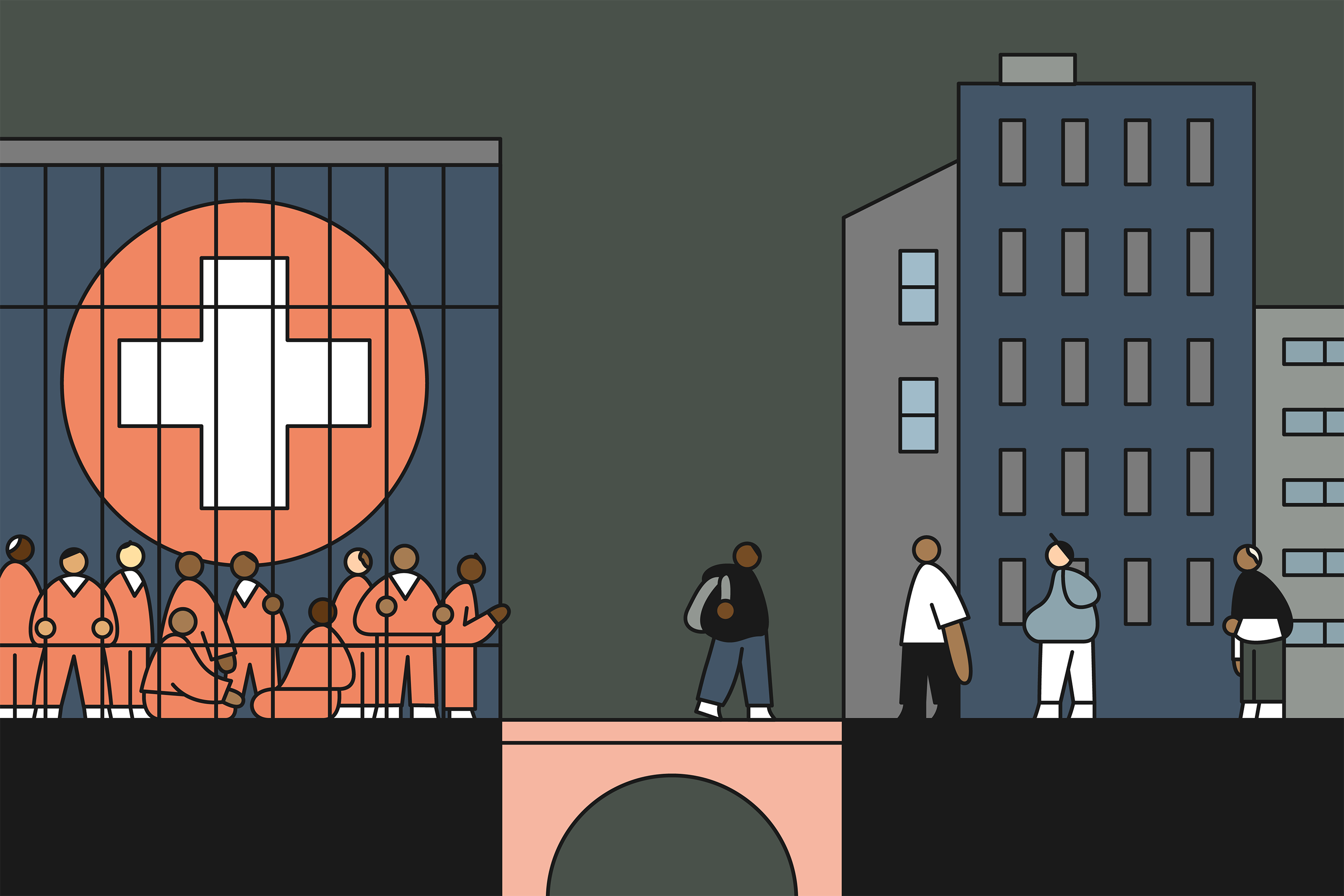
If you want to understand why prison medical abuse keeps repeating, start with prison health care accountability. People in custody depend on the state for every pill, every exam, and every emergency response. Yet when care is delayed, denied, or plainly dangerous, real consequences for doctors, nurses, and contractors can be hard to find. That matters now because jails and prisons hold people with high rates of chronic illness, mental health needs, substance use disorder, and withdrawal risk, while many systems still run behind thick walls with weak public scrutiny. The result is a system where harm can hide in plain sight. And if oversight fails in a place where patients cannot leave, what does that say about the standards being enforced at all?
What stands out
- Prison health care accountability often breaks down because incarcerated patients have little power to choose providers or seek outside care.
- Private contractors, state agencies, and licensing boards can each shift blame to someone else.
- Delays in treatment, ignored symptoms, and poor withdrawal care can become life-threatening fast.
- Public records, lawsuits, and reporting have exposed patterns that internal systems failed to stop.
Why prison health care accountability is so weak
People in prison cannot shop for another clinic, ask for a second opinion easily, or leave after bad care. That changes everything. In ordinary medicine, patient choice creates at least some pressure. Behind bars, that pressure is gone.
Many prison systems also split responsibility across state departments, county sheriffs, private medical vendors, and individual clinicians. So who is accountable when a patient is denied insulin, forced through unmanaged withdrawal, or ignored during a mental health crisis? Too often, nobody in practice.
Look, this is a structural problem, not a string of isolated mistakes. A prison can blame a contractor. A contractor can blame understaffing. A clinician can blame policy. And a licensing board may act only after years of complaints, media scrutiny, or litigation.
When the patient has no freedom of movement, accountability should be stricter, not looser.
How harm shows up inside correctional medicine
Delayed and denied treatment
One of the oldest failures in correctional health care is delay. A person reports chest pain, infection, seizure symptoms, or severe opioid withdrawal, and the response comes late or not at all. In medicine, delay is not neutral. It can turn a treatable problem into permanent harm.
This is especially severe for chronic disease. Diabetes, asthma, HIV, hepatitis C, and high blood pressure all need routine management. Miss enough doses or visits and the floor drops out.
Withdrawal and addiction care failures
Withdrawal care in jails and prisons remains a major danger zone. People entering custody may be dependent on opioids, alcohol, benzodiazepines, or other drugs. Without proper screening and treatment, withdrawal can bring dehydration, seizures, cardiac stress, delirium, and death.
And yes, this is preventable.
Evidence-based care can include medications for opioid use disorder such as buprenorphine or methadone, careful alcohol withdrawal protocols, and close monitoring. But many facilities still rely on outdated approaches, punitive attitudes, or bare-minimum observation. That is like asking a kitchen to serve dinner without heat. The setup guarantees failure.
Mental health neglect
Correctional systems also house many people with serious mental illness. Missed medications, poor suicide monitoring, and superficial crisis responses can quickly become fatal. A locked setting magnifies every lapse because the institution controls housing, observation, medication access, and emergency response.
Why licensing boards and regulators often lag
The Filter piece points to a stubborn reality. Even when allegations against correctional medical staff become public, professional discipline can move slowly or not at all. That is partly because medical boards are built to review individual complaints, not to patrol entire prison systems for patterns.
There is another problem. Prison medicine is easy for outside regulators to overlook. The patients are stigmatized, records can be hard to access, and complaints may be discounted because they come from incarcerated people. Honestly, that bias runs deeper than many officials will admit.
Boards also tend to act after clear documentary evidence appears, often through:
- Civil lawsuits
- Wrongful death cases
- Investigative journalism
- Federal inquiries
- Whistleblower testimony
By then, the damage may span years.
What better prison health care accountability would look like
Any serious fix has to start with transparency. If a prison system, jail, or medical contractor has repeated deaths, untreated withdrawal, or chronic staffing shortages, the public should not need a lawsuit to learn that. Basic data should be published in plain language.
That includes:
- Death in custody reports
- Average wait times for medical visits
- Medication interruption rates
- Withdrawal protocol outcomes
- Staffing levels by facility
- External audit findings
But data alone is not enough. There also needs to be a clean chain of consequences for negligent care. If a clinician repeatedly fails patients, licensing boards should see prison complaints as real complaints, not background noise. If a contractor understaffs units and corners are cut, the contract should be at risk. If a state agency hides patterns, legislators should step in.
What readers should watch for in correctional health reporting
If you follow prison and jail health care stories, pay attention to the details that reveal system failure rather than one bad shift. A single tragedy may start the story. The pattern tells you whether the system is broken.
Here are the signals that matter most:
- Repeated deaths tied to the same vendor or facility
- Ignored requests for care documented over days or weeks
- Withdrawal deaths after intake screening failures
- Large settlements without visible policy change
- Regulators who acknowledge harm but impose weak discipline
But ask one more question. Did anything actually change after the headlines faded?
Where reform has the best chance
The strongest pressure points are usually outside the prison itself. Courts can force disclosure. Journalists can expose records. Families and civil rights lawyers can connect incidents that agencies treat as separate. Public health experts can compare correctional practice against accepted standards of care.
There is room for practical reform, too. States and counties can require independent mortality review, stronger intake screening, continuity for prescribed medications, and access to addiction treatment. They can also bar contracts that reward low spending over safe care. Small changes in policy can save lives fast, especially in the first days of custody.
(That intake window is where many of the worst medical failures cluster.)
What this says about the system
Prison medicine exposes the character of public health under pressure. If care standards collapse the moment patients lose freedom, those standards were never very solid to begin with. The people most dependent on the system are the ones most likely to be failed by it.
Prison health care accountability should be a non-negotiable baseline, not a reform slogan. Until officials treat incarcerated patients as patients first, expect more investigations, more quiet settlements, and more stories that should have ended with routine medical care instead of catastrophe. The next real test is simple. Will agencies open their records and accept outside scrutiny before another death forces them to?
Sources
This article was medically reviewed and draws from peer-reviewed research and clinical guidelines published by:
- National Institute on Drug Abuse (NIDA)
- Substance Abuse and Mental Health Services Administration (SAMHSA)
- Centers for Disease Control and Prevention (CDC)
- MedlinePlus — U.S. National Library of Medicine
Content is reviewed for medical accuracy by our editorial team. Last reviewed: May 28, 2026.
Medical Disclaimer: This article is for educational purposes only. It is not a substitute for professional medical advice, diagnosis, or treatment. Always consult a qualified healthcare provider before making changes to your treatment plan. If you are experiencing a medical emergency, call 911 immediately. For substance use support, call SAMHSA at 1-800-662-4357 (free, confidential, 24/7).