
Prison Lockdowns and Gang Violence: What the Data Says
Prison Lockdowns and Gang Violence: What the Data Says
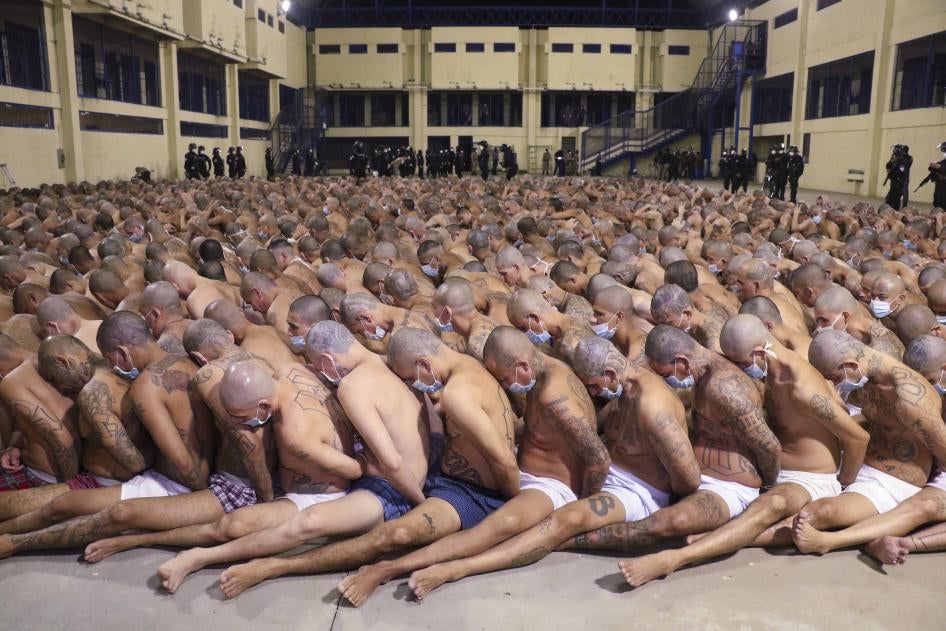
Prison lockdowns are often sold as a quick fix for violence, but the reality is messier. If you are trying to understand prison lockdowns gang violence, you need to look at what happens after the doors shut, not just what triggered the order in the first place. Lockdowns can stop a fight for a day. They can also crank up tension, cut off programming, and make gang control harder to measure. That matters now because prisons across the country keep using isolation-heavy responses while violence, staffing gaps, and contraband problems keep surfacing. So what actually changes when a facility goes on lockdown, and who pays the price?
What prison lockdowns gang violence changes first
- Movement stops. Inmates lose access to the yard, visits, classes, and work.
- Staff control increases. Officers can separate groups more easily, at least in the short term.
- Information dries up. Fewer face-to-face contacts can make threats harder to detect.
- Tension rises. Confinement and uncertainty can sharpen conflict inside units.
Lockdowns are a blunt tool. They are a little like a coach benching the whole team after one hard foul. Sure, the game slows down. But the underlying bad habits are still there unless someone fixes the structure that keeps producing them.
Why prison lockdowns gang violence can worsen long-term risk
Officials often treat lockdowns as a pressure valve. That works only if the lockdown is short, targeted, and paired with a real plan. When it drags on, it can strip away the routines that keep some order in place. Meals, recreation, phone access, and programming all matter more than administrators like to admit.
Correctional researchers and oversight groups have long warned that long periods of restrictive confinement can intensify hostility and make prisons harder to manage. The National Institute of Justice has reported that gang activity in prisons often grows around control, status, and access to scarce resources. Cut off normal channels, and you push people toward informal power structures. That is not theory. It is daily prison math.
“A lockdown can pause violence. It does not erase the social system that caused it.”
And here is the part many agencies skip over. When legitimate movement shrinks, gang messengers and enforcers often become more important, not less. If staff do not have solid intelligence, they may only see the aftermath.
What do prison lockdowns gang violence studies actually show?
The evidence is mixed, but the pattern is clear enough. Short-term lockdowns can reduce open assaults in a specific unit or yard. Longer lockdowns tend to produce side effects that are harder to measure, including more stress, more grievances, and more dependence on informal inmate leadership.
Some corrections agencies report that targeted lockdowns help after a riot, stabbing, or credible threat. That can be true. But a broad lockdown across an entire prison for days or weeks often punishes people who had nothing to do with the incident. It also burns staff time and can weaken trust between officers and prisoners, which is already thin.
One single-sentence paragraph: That tradeoff is the whole story.
How to read the evidence without the spin
- Ask whether the lockdown was targeted. A unit shutdown tells you more than a facility-wide freeze.
- Check the duration. A same-day response is different from a two-week clampdown.
- Look for follow-up steps. Did the prison add searches, mediation, staffing changes, or gang intervention?
- Measure what happened next. Violence may dip fast, then rebound if the root problem stays untouched.
What prison staff can do instead of relying only on lockdowns
The smarter approach is boring, which is exactly why it works. Better staffing, faster intelligence sharing, safer movement schedules, and targeted separation of known rivals can do more than a blanket shutdown. So can consistent access to programs that reduce idle time and give people a reason to stay out of other crews’ business.
Facilities that use gang threat groups, individualized classification, and intelligence-led searches tend to get better results than places that wait for violence to explode. The Federal Bureau of Prisons and many state systems already use versions of these tools. The problem is execution. Policies on paper do nothing if staffing is thin or records are stale.
Why prison lockdowns gang violence keeps coming back
Because the incentives are wrong. Lockdowns are visible, fast, and easy to announce. Real violence prevention is slower and less glamorous. It requires trained staff, credible informants, and managers willing to make unpopular calls before blood hits the floor.
Think of it like patching a leaking roof with tape every storm season. You can keep the water off the floor for a while. But if the rafters are rotting, the next storm will find the weak spot. Prison violence works the same way.
What you should watch next
If you are tracking prison lockdowns gang violence, focus on three signals: how long the lockdown lasts, whether it is targeted or blanket, and whether the prison changes anything after it ends. Those details tell you more than the official press release ever will.
And that raises the real question. If prisons keep using lockdowns as their main response, are they managing violence, or just hiding it for a few days?
Sources
This article was medically reviewed and draws from peer-reviewed research and clinical guidelines published by:
- National Institute on Drug Abuse (NIDA)
- Substance Abuse and Mental Health Services Administration (SAMHSA)
- Centers for Disease Control and Prevention (CDC)
- MedlinePlus — U.S. National Library of Medicine
Content is reviewed for medical accuracy by our editorial team. Last reviewed: July 20, 2026.
Medical Disclaimer: This article is for educational purposes only. It is not a substitute for professional medical advice, diagnosis, or treatment. Always consult a qualified healthcare provider before making changes to your treatment plan. If you are experiencing a medical emergency, call 911 immediately. For substance use support, call SAMHSA at 1-800-662-4357 (free, confidential, 24/7).