
Prostate Cancer Diet and Exercise: What Actually Helps
Prostate Cancer Diet and Exercise: What Actually Helps
If you are facing prostate cancer treatment, you may wonder what you can control beyond appointments, scans, and medication schedules. That question matters because treatment can affect weight, muscle, energy, mood, and heart health. A structured prostate cancer diet and exercise plan may help you feel stronger during care, according to reporting from Healthline on research into nutrition and fitness programs for people being treated for prostate cancer. The point is not to replace surgery, radiation, hormone therapy, chemotherapy, or other medical care. The point is to support your body while those treatments do their job. And yes, the details matter. A vague plan to “eat better” or “move more” rarely survives fatigue, nausea, stress, or a crowded calendar. You need a plan that fits real life, not a wellness poster.
What Stands Out
- A guided diet and fitness program may improve strength, body composition, and treatment tolerance during prostate cancer care.
- Resistance training matters because hormone therapy can reduce muscle and bone density.
- A heart-healthy eating pattern can support weight, blood sugar, cholesterol, and inflammation control.
- The safest plan is built with your oncology team, especially if you have bone metastases, anemia, nerve pain, or heart disease.
Why Prostate Cancer Diet and Exercise Deserve Serious Attention
Prostate cancer treatment often works, but it can leave a mark. Androgen deprivation therapy, often called hormone therapy, can raise body fat, reduce lean muscle, weaken bones, and affect insulin sensitivity. Radiation can bring bowel or bladder changes. Surgery may affect continence and daily function. Fatigue cuts across all of it.
That is why lifestyle support is no longer a soft side topic. It is part of practical cancer care. Healthline’s report points to a growing theme in oncology research: patients do better when nutrition and movement are treated as structured interventions, not afterthoughts.
Food and exercise will not “cure” prostate cancer, but they can change how well you withstand treatment. That distinction is where honest medical advice lives.
Here’s the thing. If a drug caused muscle loss, weight gain, and fatigue, you would want a plan for those effects. Why treat them as unavoidable?
What a Prostate Cancer Diet and Exercise Plan Should Aim to Do
A useful plan has clear targets. It should preserve muscle, protect bone, support heart health, and help you keep a steady weight. It should also be simple enough to follow on a bad day.
Think of it like building a house during rough weather. You do not start with paint colors. You reinforce the frame first. In prostate cancer care, the frame is protein, strength work, walking capacity, sleep, and symptom tracking.
Core goals to discuss with your care team
- Maintain muscle: Ask how much protein you need and whether strength training is safe for you.
- Protect bone: Hormone therapy can thin bones, so ask about vitamin D testing, calcium intake, and weight-bearing exercise.
- Support the heart: Some treatments affect metabolic health, so blood pressure, cholesterol, and glucose deserve attention.
- Reduce fatigue: Short, regular activity often beats one hard workout followed by three days on the couch.
- Manage bowel and urinary symptoms: Diet changes may need to shift during radiation or after surgery.
Best Foods During Prostate Cancer Treatment
No single “cancer diet” has proven to beat prostate cancer on its own. Be skeptical of anyone selling that claim. The better evidence points toward eating patterns that support metabolic health and lower cardiovascular risk, especially because many men with prostate cancer are older and may already have heart risk factors.
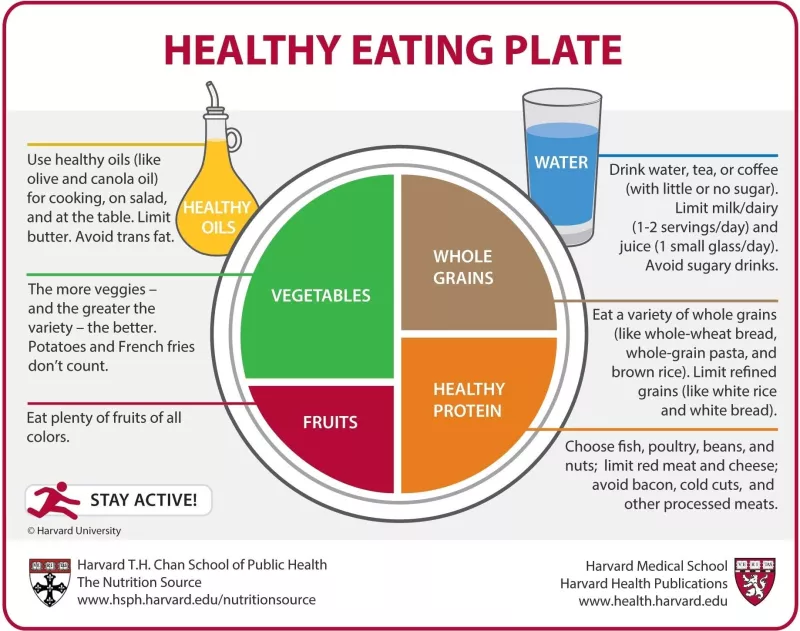
A Mediterranean-style pattern is a solid place to start. That means vegetables, beans, lentils, fruit, whole grains, fish, olive oil, nuts, and modest amounts of poultry or dairy. It also means limiting processed meats, sugary drinks, and frequent heavy portions of red meat.
Build meals around these staples
- Protein at each meal: Eggs, Greek yogurt, fish, chicken, tofu, beans, lentils, or lean meat can help protect muscle.
- Fiber-rich carbohydrates: Oats, brown rice, quinoa, potatoes with skin, fruit, and legumes help with fullness and bowel regularity.
- Colorful plants: Aim for a mix of greens, berries, tomatoes, peppers, carrots, and cruciferous vegetables.
- Healthy fats: Olive oil, avocado, walnuts, chia seeds, and fatty fish can support heart health.
- Fluids: Water matters, but timing may need adjustment if urinary frequency is a problem.
Small changes count.
If treatment has dulled your appetite, go smaller and denser. Try yogurt with berries and nuts, soup with beans, a smoothie with protein powder, or scrambled eggs with toast. If diarrhea appears during radiation, your team may suggest a temporary lower-fiber approach. That is not failure. That is adjustment.
Exercise During Prostate Cancer Treatment: What Helps Most?
The best exercise plan is the one you can repeat without injuring yourself. For many people, that means a mix of walking, resistance training, balance work, and stretching. Fancy equipment is optional. Consistency is not.
Resistance training is the piece too many patients skip. It matters because prostate cancer therapy can reduce testosterone levels, and lower testosterone can speed muscle loss. Two or three short strength sessions each week can make a real difference in daily function.
A practical weekly template
- Walking: 20 to 30 minutes most days, broken into 10-minute chunks if needed.
- Strength: 2 to 3 days per week using bands, machines, light dumbbells, or body weight.
- Balance: 5 minutes a day, especially if you feel unsteady or have neuropathy.
- Mobility: Gentle stretching after walks or before bed.
What if fatigue is already bad? Start with five minutes. A slow walk to the mailbox and back is still data. If you tolerate it, add a little more next week. Cancer rehab specialists often use graded activity because it respects the body you have today, not the one you had ten years ago.
How to Make Prostate Cancer Diet and Exercise Safe
Safety depends on your diagnosis, treatment plan, and other medical conditions. If cancer has spread to bone, heavy lifting or high-impact moves may need limits. If you have anemia, heart disease, severe fatigue, or dizziness, your exercise plan should be cleared first. If you are losing weight without trying, calorie restriction is the wrong move.
Ask your oncologist for referrals when you need backup. A registered dietitian with oncology experience can help with protein, weight change, nausea, bowel symptoms, and supplements. A physical therapist or certified cancer exercise specialist can adapt workouts around pain, surgical recovery, or bone risk.
Questions worth asking at your next visit
- Do I have any exercise restrictions based on my scans or blood work?
- How much protein should I aim for each day?
- Should I take vitamin D, calcium, or neither?
- Are any supplements unsafe with my treatment?
- Can I get a referral to oncology nutrition or cancer rehabilitation?
Be careful with supplements. Some products can interfere with treatment or raise bleeding risk around surgery. More is not automatically better, especially with high-dose antioxidants during some cancer therapies (your oncology team should weigh in).
The Hype Trap: What I Would Ignore
I have covered health research long enough to recognize the pattern. A small study appears, a headline gets stretched, and suddenly a diet is being pitched as a secret weapon. That is not how prostate cancer treatment works.
Ignore anyone who tells you to stop standard treatment in favor of food rules. Be wary of extreme fasting plans, expensive supplement stacks, or rigid detox programs. They can drain your money, increase stress, and leave you underfed during a time when your body needs support.
The boring plan is usually the better plan: enough protein, plants, walking, strength work, sleep, and medical follow-up.
Your Next Step
If you want to act on the Healthline report, do not try to overhaul your life by Monday. Pick one food change and one movement change. Add protein to breakfast. Walk for 10 minutes after lunch. Book a dietitian visit. Ask about resistance training before your next hormone shot.
The future of prostate cancer care will likely include more structured lifestyle programs alongside medical treatment. Good. Patients deserve that support. The question is whether clinics will make it routine, or keep leaving people to figure it out alone.
Sources
This article was medically reviewed and draws from peer-reviewed research and clinical guidelines published by:
- National Institute on Drug Abuse (NIDA)
- Substance Abuse and Mental Health Services Administration (SAMHSA)
- Centers for Disease Control and Prevention (CDC)
- MedlinePlus — U.S. National Library of Medicine
Content is reviewed for medical accuracy by our editorial team. Last reviewed: September 10, 2026.
Medical Disclaimer: This article is for educational purposes only. It is not a substitute for professional medical advice, diagnosis, or treatment. Always consult a qualified healthcare provider before making changes to your treatment plan. If you are experiencing a medical emergency, call 911 immediately. For substance use support, call SAMHSA at 1-800-662-4357 (free, confidential, 24/7).