
Psychedelic Therapy for PTSD Moves Faster, But the Evidence Still Matters
Psychedelic Therapy for PTSD Moves Faster, But the Evidence Still Matters
If you live with trauma symptoms, long waits for effective care can feel brutal. That is why the new push around psychedelic therapy for PTSD is getting so much attention right now. Federal officials are signaling more urgency, and that could speed research, review, and access. But faster does not always mean better. You need to know what is backed by data, what is still under review, and where the risks sit.
I have covered mental health policy long enough to know this pattern. A treatment starts showing promise, politicians latch onto the headline, and the hard questions arrive later. PTSD care needs better options. No argument there. The real issue is whether this policy momentum leads to safe, evidence-based treatment, or whether it gets ahead of the science.
What to watch now
- Federal support could shorten the path for new PTSD treatments, especially psychedelic-assisted therapy.
- MDMA-assisted therapy has drawn the most attention, but it remains controversial and tightly regulated.
- Researchers and clinicians still disagree on safety, study design, and how treatment should work in real clinics.
- If access expands, trained therapists and strong oversight will matter as much as the drug itself.
Why psychedelic therapy for PTSD is back in the spotlight
The current attention comes from renewed federal interest in speeding up mental health treatment development, including psychedelics for post-traumatic stress disorder. Healthline reported that the Trump administration is backing efforts to move psychedelic therapy for PTSD through the pipeline faster. That matters because PTSD affects millions of Americans, including veterans, first responders, and survivors of violence.
And standard treatment does not work well for everyone.
Common PTSD treatments include antidepressants such as sertraline and paroxetine, plus trauma-focused psychotherapy. Those can help, sometimes a lot. But many patients drop out, do not respond fully, or keep dealing with nightmares, hypervigilance, panic, and depression. That treatment gap is the opening psychedelics are trying to fill.
What does psychedelic therapy for PTSD actually mean?
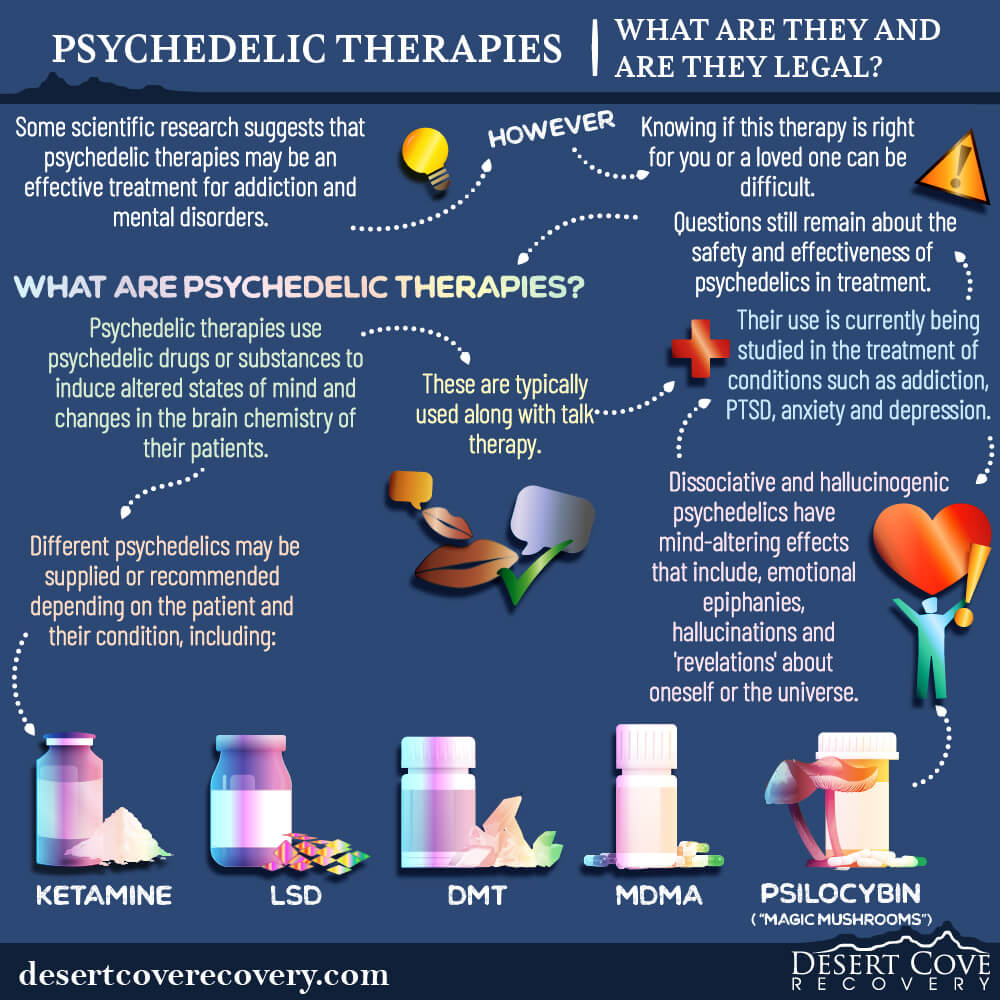
This phrase gets tossed around loosely, which is part of the problem. In most cases, people are talking about psychedelic-assisted therapy, not taking a drug on its own. The treatment model usually combines a psychoactive substance with structured therapy before, during, and after the dosing session.
For PTSD, the biggest focus has been MDMA-assisted therapy. MDMA is not a classic psychedelic like psilocybin or LSD, but it is often grouped into the same policy debate because it changes perception, emotion, and fear responses. Researchers think it may help some patients process trauma with less overwhelm and more trust during therapy.
The core claim is simple. The medicine may open a window, but the therapy does the heavy lifting.
Think of it like resetting a jammed hinge in a door. The chemical effect may loosen the mechanism for a few hours, but the therapist still has to help the person move through what has been stuck for years.
What the evidence says, and what it does not
The strongest public case so far has come from studies of MDMA-assisted therapy for severe PTSD. Some clinical trials have reported large symptom reductions, especially in patients who had not improved with other treatments. That is why advocates, veterans groups, and some clinicians have pressed hard for broader access.
But here is the part that gets lost in the excitement. The evidence is promising, not settled.
Regulators and outside experts have raised concerns about trial methods, therapist influence, adverse events, and whether results would hold up in ordinary medical settings. Those are not minor technical details. They go straight to whether a treatment is ready for widespread use. A great result in a tightly controlled study can fall apart in the real world if the training, screening, and follow-up are weak.
Questions researchers still need to answer
- Which PTSD patients are the best fit for psychedelic-assisted therapy?
- How durable are the benefits after six months or a year?
- What are the risks for people with psychosis, bipolar disorder, substance use issues, or heart problems?
- How much of the benefit comes from the drug, and how much comes from the intensive therapy around it?
- Can clinics deliver this safely at scale without cutting corners?
Those questions are non-negotiable. If policymakers want speed, they also need patience where it counts.
Why politics can help, and also distort, psychedelic therapy for PTSD
Political support can do some real good. It can move funding, reduce bureaucratic drag, and push agencies to treat mental health like the public health issue it is. PTSD care in the United States needs more options, and frankly, the old pace has been too slow for many patients.
But politics also likes clean stories. Science rarely gives you one. A White House push can make psychedelic therapy for PTSD sound closer to ready than it really is. That may create false hope, pressure regulators, or encourage clinics and investors to sprint ahead of the guardrails.
Honestly, this field has enough hype already.
And hype is dangerous in mental health care because desperate patients are easy to sell to. We have seen that before with ketamine clinics, wellness branding, and expensive treatments that outrun the evidence. Psychedelic therapy should not get a free pass just because the need is real.
What patients should ask before considering treatment
If access expands, you will need to screen the clinic as much as the clinic screens you. That sounds harsh, but it is practical. Would you let someone rebuild your roof without checking their credentials?
- What drug is being used, and is it FDA-approved for PTSD?
- What training do the therapists and medical staff have?
- How are you screened for cardiac, psychiatric, and substance use risks?
- How many therapy sessions happen before and after dosing?
- What happens if you panic, dissociate, or have a bad reaction during treatment?
- What does the full cost include, and what is not covered by insurance?
A solid clinic should answer these questions clearly, without sales language. If the pitch sounds too smooth, pay attention.
The staffing problem nobody should ignore
Even if regulators move faster, the system still needs trained people. Psychedelic-assisted therapy is labor-intensive. It often involves extensive screening, long treatment sessions, and follow-up integration work. That is a tough fit for a mental health workforce already stretched thin.
This is where a lot of policy optimism hits the wall. You can approve a treatment. You cannot instantly create thousands of well-trained therapists who know trauma care, crisis management, ethics, and the specific treatment model. Without that foundation, expansion could get messy fast.
(And yes, reimbursement will shape everything.) If insurers will not pay for the therapy time around the drug, access could tilt toward affluent patients and boutique clinics. That would undercut the whole public-health argument.
Where this could go next
There are a few realistic outcomes. The best one is careful acceleration, where federal agencies support research, tighten standards, and build a path for safe access if the data hold up. Another path is slower and more frustrating, with more debate over trial quality and more delay on approvals.
The worst path is easy to picture. Headlines race ahead, private operators flood in, expectations soar, and trust takes a hit when results prove less tidy outside trials.
PTSD treatment needs fresh thinking. But fresh thinking is not the same as a blank check. The next year or two will show whether psychedelic therapy for PTSD becomes a credible part of mainstream care, or just another case where the politics moved faster than the proof.
Sources
This article was medically reviewed and draws from peer-reviewed research and clinical guidelines published by:
- National Institute on Drug Abuse (NIDA)
- Substance Abuse and Mental Health Services Administration (SAMHSA)
- Centers for Disease Control and Prevention (CDC)
- MedlinePlus — U.S. National Library of Medicine
Content is reviewed for medical accuracy by our editorial team. Last reviewed: April 30, 2026.
Medical Disclaimer: This article is for educational purposes only. It is not a substitute for professional medical advice, diagnosis, or treatment. Always consult a qualified healthcare provider before making changes to your treatment plan. If you are experiencing a medical emergency, call 911 immediately. For substance use support, call SAMHSA at 1-800-662-4357 (free, confidential, 24/7).