
Publix Frozen Blueberry Recall: What the FDA Upgrade Means
Publix Frozen Blueberry Recall: What the FDA Upgrade Means
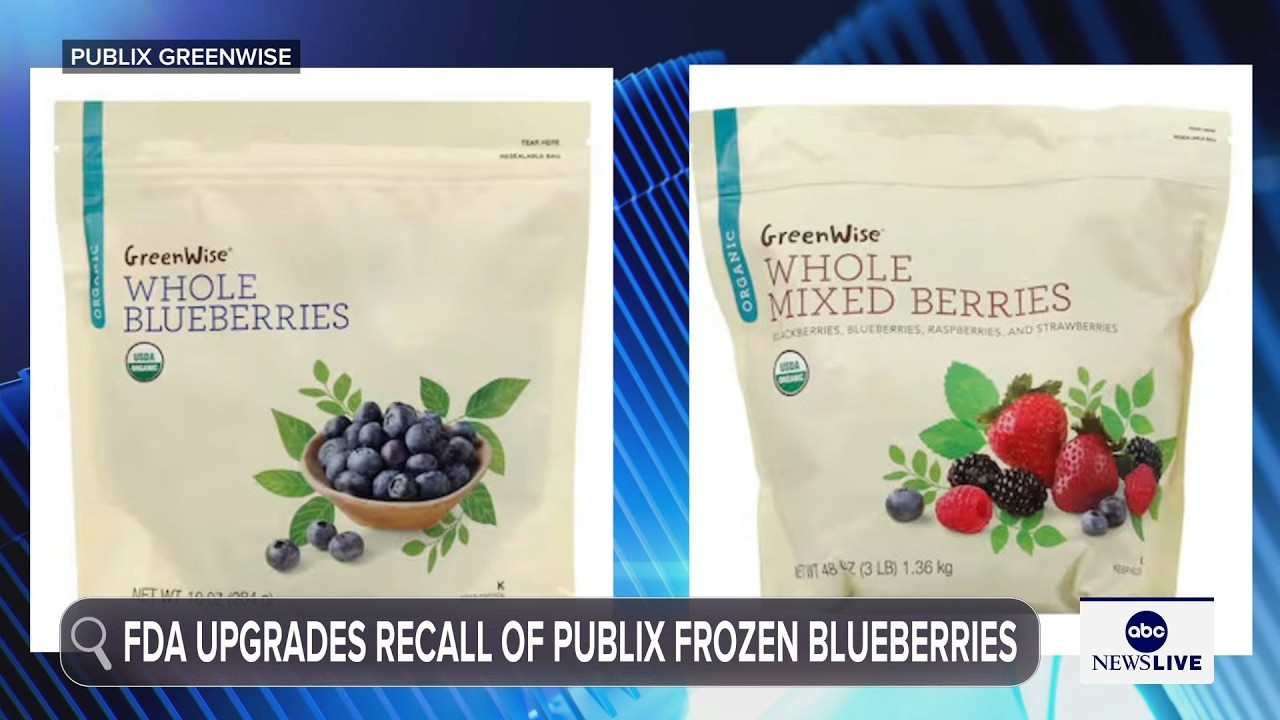
If you bought frozen blueberries from Publix, you need to check your freezer now. The FDA has upgraded the Publix frozen blueberry recall to its highest risk level, which means the agency believes the product could cause serious health harm. That matters because frozen fruit often sits in home freezers for weeks or months, long after the news cycle moves on. People forget. Bags get buried. And a recalled product can stay hidden until the next smoothie, bake, or snack prep. What should you do if the berries are in your kitchen? Start with the label, the lot code, and the store brand details. Then decide whether to toss, return, or call the retailer for guidance.
What you need to know right away
- The FDA upgraded the recall to its highest risk level. That signals a serious safety concern.
- Check your freezer for Publix-branded frozen blueberries. Look closely at the package name and lot information.
- Do not eat the product if it matches the recall. Throw it away or follow return instructions from the store or manufacturer.
- Keep the package details. You may need them if you contact Publix or the FDA.
- Watch for recall updates. Product details can change as investigators trace the source.
What does the Publix frozen blueberry recall upgrade mean?
The FDA uses recall classifications to show how serious a problem may be. A Class I recall is the highest level. It means exposure to the product can cause serious injury or death. That is a blunt label, and it should get your attention.
Think of it like a stadium alarm. A routine announcement is one thing. A full evacuation order is another. The FDA is telling you this is not a shrug-and-move-on situation.
Class I recall means there is a reasonable chance the product could cause serious health problems if used.
That does not mean everyone who ate the berries will get sick. It does mean the risk is high enough that you should treat the product as unsafe until proven otherwise.
How to check your freezer for the recalled blueberries
Start with the bag itself. Read the front label, then flip it over and look for the brand, package size, lot code, and best-by date. Frozen food recalls often depend on tiny details, so do not guess based on the fruit alone.
- Find every frozen fruit bag in your freezer.
- Check for Publix branding and blueberry product names.
- Match the lot code and date against the recall notice.
- Separate any suspicious bags from other food.
- Do not taste the product to test it.
If the packaging is missing or damaged, treat that bag carefully. Without clear labeling, you cannot confirm safety from memory alone.
What should you do if you have the product?
Do not serve it. Do not blend it into a recipe. And do not assume freezing makes it safe. Freezing can preserve contamination, not erase it.
You can usually follow one of two paths. Return the product to the store if the recall notice offers that option. Or seal it in a bag and throw it away if you cannot return it. Either way, wash your hands after handling the packaging and clean any surfaces that touched the berries.
Why be this careful? Because cross-contamination is the quiet problem here. A dirty bag can touch a counter, a spoon, or a blender pitcher. That is the part people miss.
Why the FDA and retailers issue these recalls
Food recalls happen when a company, retailer, or regulator spots a contamination risk, labeling problem, or other safety issue. The FDA then reviews the facts and assigns a risk level based on the chance of harm. Retailers like Publix may remove the product from shelves while the investigation continues.
That process is not perfect, but it is the system that keeps a bad batch from spreading farther. It is also why you should check recall notices from the FDA, the company, and the store. One notice may have more details than another.
What symptoms should you watch for?
Symptoms depend on the exact contamination problem. If the recall involves a pathogen, some people may develop stomach cramps, vomiting, diarrhea, fever, or nausea. Some infections hit hard. Others start mild and then worsen.
If you or someone in your home ate the berries and feels sick, contact a clinician, especially if symptoms are severe, persistent, or involve dehydration. Children, older adults, pregnant people, and people with weak immune systems can face higher risk.
Need a simple rule? If the food is recalled and the symptoms start after eating it, take that seriously.
How to stay ahead of the next frozen food recall
Frozen foods last a long time, which is exactly why recalls can linger in home freezers. Set a reminder to scan your freezer every few weeks. Keep bags with lot codes visible. And if you buy a lot of frozen fruit, use older packages first.
One practical habit helps more than people think: keep recall-prone foods in one freezer bin. That makes checks faster. It also keeps you from playing detective with a pile of mystery bags at 9 p.m.
Smart habits that save time
- Save receipts or digital order history for a short period.
- Photograph lot codes before you store bulk frozen food.
- Sign up for FDA recall alerts or retailer emails.
- Label freezer bins by purchase date.
What this recall says about food safety
The bigger lesson is plain. Recalls are not abstract press releases. They are instructions for your kitchen. The Publix frozen blueberry recall upgrade tells you the FDA sees enough risk to push the warning higher, and that should change how you handle the product today, not next week.
Look, frozen fruit should be simple. Open bag, pour, eat. But when a recall hits, the safest move is boring and fast. Check the label, protect your household, and move on. If the product is still in your freezer, why keep a risk you can remove in two minutes?
Sources
This article was medically reviewed and draws from peer-reviewed research and clinical guidelines published by:
- National Institute on Drug Abuse (NIDA)
- Substance Abuse and Mental Health Services Administration (SAMHSA)
- Centers for Disease Control and Prevention (CDC)
- MedlinePlus — U.S. National Library of Medicine
Content is reviewed for medical accuracy by our editorial team. Last reviewed: August 21, 2026.
Medical Disclaimer: This article is for educational purposes only. It is not a substitute for professional medical advice, diagnosis, or treatment. Always consult a qualified healthcare provider before making changes to your treatment plan. If you are experiencing a medical emergency, call 911 immediately. For substance use support, call SAMHSA at 1-800-662-4357 (free, confidential, 24/7).