
RFK Jr. Healthy Cooking Show and the Upside-Down Food Pyramid
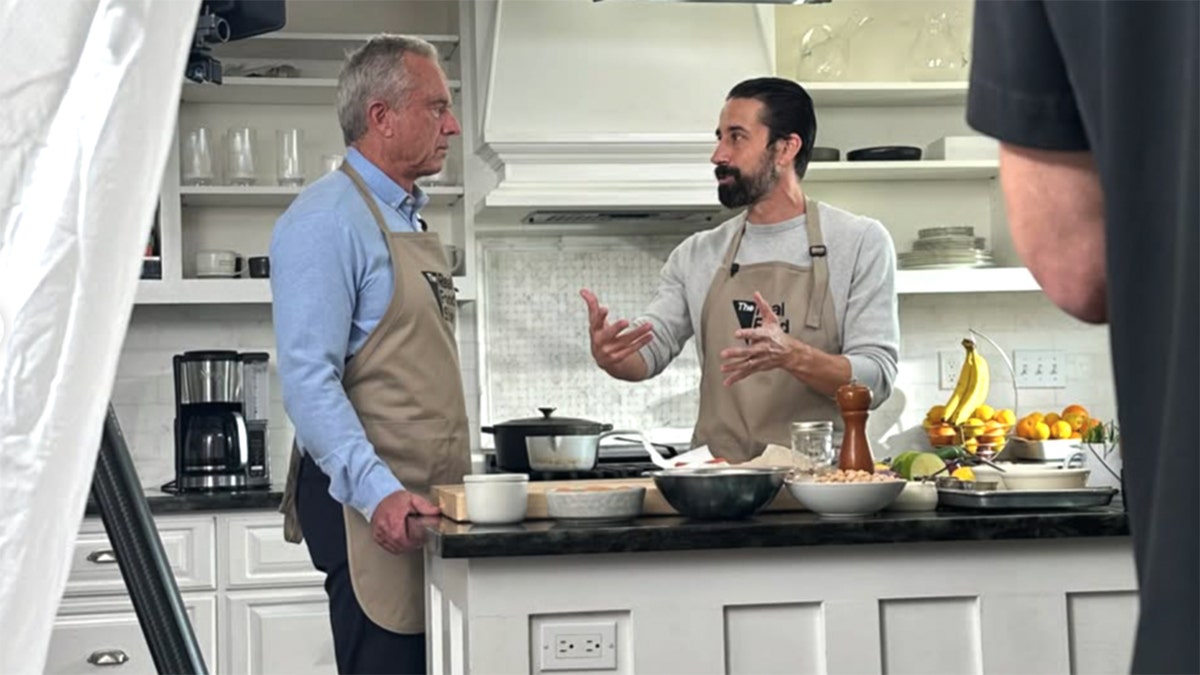
RFK Jr. Healthy Cooking Show and the Upside-Down Food Pyramid
People are already overloaded with bad food advice, slick packaging, and nutrition claims that do not hold up. That is why the RFK Jr. healthy cooking show idea matters now. It taps into a real frustration. You want food guidance that feels practical, not like a lab report written by a lobbyist.
The upside-down food pyramid pitch is meant to challenge old habits about what should fill your plate. Fine. But a TV show is not a nutrition policy, and a catchy frame is not evidence. The real question is whether this kind of message helps people eat better, or just gives them a new slogan to repeat at dinner. What changes behavior, and what is just theater?
What the RFK Jr. healthy cooking show is trying to do
The basic idea is simple. Put whole foods, home cooking, and less-processed ingredients at the center of the conversation. That message has appeal because a lot of diet advice gets buried under jargon and marketing noise.
Still, the show is part education and part branding. That matters. A cooking format can make nutrition feel concrete, but it can also flatten hard questions about cost, access, and medical needs.
- Whole foods get framed as the default, not the exception.
- Processed foods are treated with more skepticism.
- Home cooking is presented as a practical health tool.
- The upside-down food pyramid is a visual way to challenge old dietary habits.
Why the upside-down food pyramid gets attention
The original food pyramid was supposed to help people make sense of nutrition. Over time, it became a symbol people love to argue with. That makes the upside-down version a smart piece of messaging. It is easy to grasp, easy to repeat, and built for TV.
But here is the thing. A visual swap does not settle the science. Public health agencies have shifted guidance many times based on evidence, including updates from the USDA and HHS Dietary Guidelines for Americans. The shape of the pyramid is less important than the quality of the advice inside it.
A strong nutrition message can cut through noise. But if the message is too neat, it can hide tradeoffs that real people deal with every day.
What this means for your meals
If you strip away the politics, the useful part is easy to spot. Cooking more at home usually gives you more control over sodium, sugar, fats, and portion size. That is not a slogan. It is basic kitchen math.
Think of it like building a house. You can paint the walls any color you want, but if the foundation is weak, the whole place suffers. Food choices work the same way. Start with what you eat most often, then work outward.
- Buy fewer ultra-processed snack foods.
- Keep simple staples on hand, like beans, eggs, oats, yogurt, rice, and frozen vegetables.
- Make one or two meals at home each week that you can repeat.
- Read labels for sodium, added sugar, and serving size.
This approach is plain, but it works better than chasing food trends. And it costs less than most wellness gimmicks.
Where the show could help, and where it could mislead
The strongest case for a healthy cooking show is behavior change. People learn by watching food prepared in real time. They also copy what looks easy. That can make healthy eating feel less abstract and more doable.
But the format has limits. A TV kitchen cannot fix food deserts, tight budgets, or medical conditions that require specific diets. It can also oversimplify nutrition into good food versus bad food, which is sloppy thinking. Nutrition is more like a budget than a scoreboard. You need balance, not purity.
Could a show actually move habits on its own? Maybe for some viewers. For most people, the bigger test is whether the ideas fit real life after the credits roll.
How to judge any food message without falling for hype
Look for proof, not just confidence. If a presenter makes big claims, ask where they came from and whether the advice lines up with current guidance from groups like the CDC, USDA, or Harvard T.H. Chan School of Public Health. A loud voice is not the same as a reliable one.
- Check the source. Is the advice tied to evidence or just opinion?
- Check the fit. Can you actually follow it on your budget and schedule?
- Check the scope. Does it account for kids, chronic illness, or cultural food patterns?
- Check the tone. Does it teach, or does it shame?
That last one matters more than people admit. Shame rarely improves eating habits. It usually pushes people toward denial or burnout.
A smarter way to use the message
The best version of this whole conversation is not political. It is practical. If the show nudges more people to cook a simple dinner, that is a win. If it turns nutrition into another culture war prop, that helps nobody.
The real test is not the slogan. It is whether people cook more often, eat more plants, and rely less on packaged food that does not give them much back.
That is the next step. Watch the message, but judge it by what lands on the plate. If the advice cannot survive a busy Tuesday night, how good was it to begin with?
Sources
This article was medically reviewed and draws from peer-reviewed research and clinical guidelines published by:
- National Institute on Drug Abuse (NIDA)
- Substance Abuse and Mental Health Services Administration (SAMHSA)
- Centers for Disease Control and Prevention (CDC)
- MedlinePlus — U.S. National Library of Medicine
Content is reviewed for medical accuracy by our editorial team. Last reviewed: August 10, 2026.
Medical Disclaimer: This article is for educational purposes only. It is not a substitute for professional medical advice, diagnosis, or treatment. Always consult a qualified healthcare provider before making changes to your treatment plan. If you are experiencing a medical emergency, call 911 immediately. For substance use support, call SAMHSA at 1-800-662-4357 (free, confidential, 24/7).