
Sleep Loss and Weight Gain: What the Evidence Says
Sleep Loss and Weight Gain: What the Evidence Says
If you are sleeping less and your weight is creeping up, you are not imagining the pattern. The link between sleep loss and weight gain has enough evidence behind it to deserve attention, especially now that so many people are short on sleep and running on caffeine. This is not about willpower failing. It is about appetite signals, fatigue, food choices, and how your body handles stress when rest gets cut short. Why does a few hours of missed sleep seem to change what you eat the next day? Because sleep affects the systems that tell you when to stop, when to keep moving, and when to store energy. That is a real problem, and it shows up in daily life fast.
What stands out about sleep loss and weight gain
- Short sleep can increase hunger and make high-calorie foods more tempting.
- Sleep loss can change hormones tied to appetite and fullness.
- Fatigue lowers activity, so you may burn less energy without noticing.
- Poor sleep often changes routines, which can mean more snacking and later meals.
- The effect can build over time, especially if sleep debt becomes normal.
How sleep loss and weight gain are connected
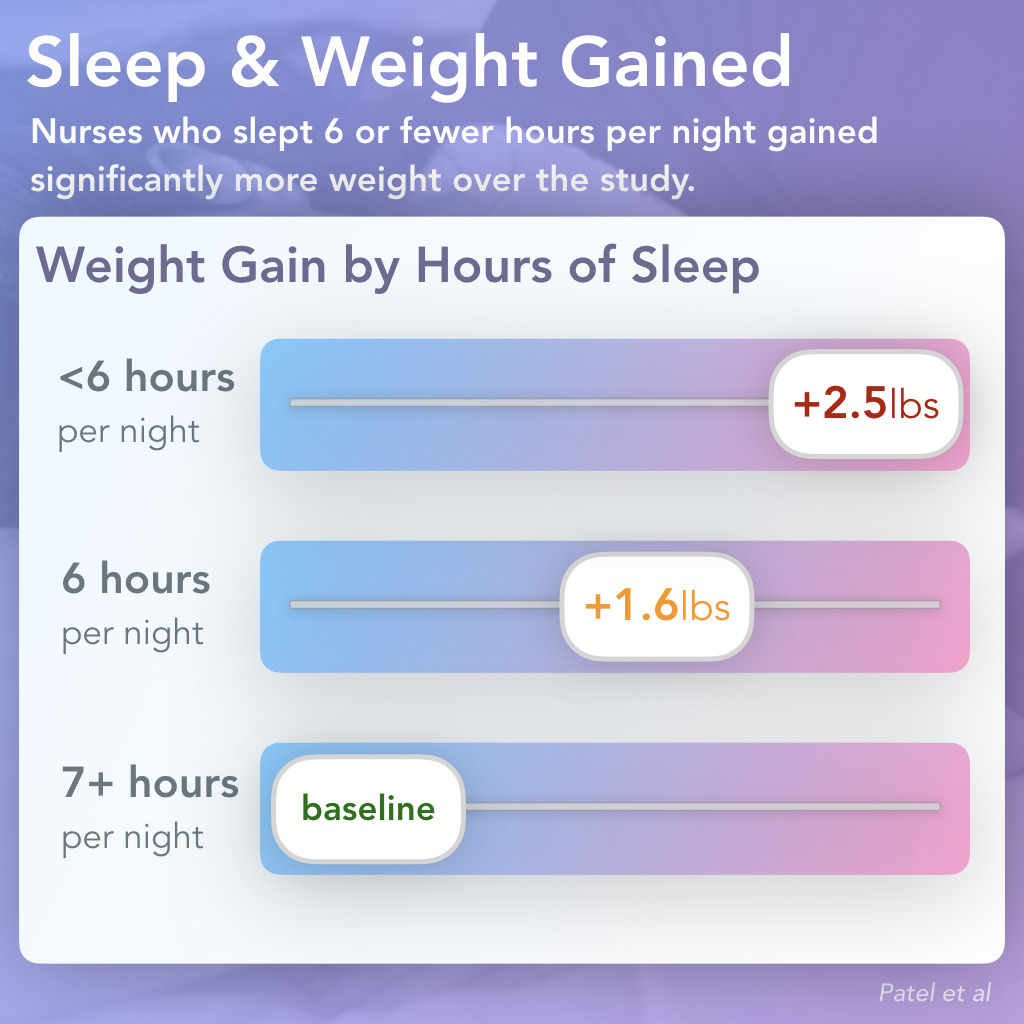
Researchers have linked short sleep with higher body weight in many studies, including large population analyses and controlled lab work. One reason is simple. When you are tired, your brain leans toward quick energy, and that often means more salty, sweet, or fatty food. Your self-control is not gone. It is just under strain.
Sleep also affects hormones such as ghrelin and leptin, which help regulate hunger and satiety. Less sleep tends to push ghrelin up and leptin down. That combination can make you feel hungrier even if you ate enough. The body starts acting like a phone stuck at 12 percent battery. It looks for a fast charge.
“A short night can change the next day more than people expect. You may eat more, move less, and feel less satisfied by the same meal.”
There is also the timing issue. Sleep loss can delay your internal clock, which can shift meals later into the evening. Late eating is not automatically a problem, but it often lines up with larger portions and lower-quality food. That mix can push energy intake up without much effort on your part.
Which parts of daily life get hit first?
Here is the thing. The first changes are often small and easy to miss. You may not notice a major appetite shift after one rough night, but you might reach for snacks more often, skip a workout, or grab takeout because cooking feels like work.
- Food choices change. Tired people tend to prefer calorie-dense foods.
- Portion control slips. Fullness cues get duller.
- Movement drops. Even a short walk can feel harder.
- Routines wobble. Bedtime, meal timing, and exercise all get less stable.
Think of it like building a wall with one brick missing from each row. The wall still stands for a while. Then the gaps start to matter. Sleep loss and weight gain work the same way. One bad night is not destiny. Repeated short sleep can shape your habits in a way that makes weight gain more likely.
What the research can and cannot prove
The evidence is strong that sleep and body weight are connected, but not every study proves a straight cause-and-effect line. People who sleep less may also have more stress, shift work, medical issues, or unstable schedules, and those factors can affect weight too. That matters.
Still, controlled studies give the pattern real weight. When healthy adults are restricted to short sleep, they often eat more the next day. Some studies also show that sleep debt can alter how the body uses glucose, which may raise metabolic risk over time. The exact effect size varies, but the direction is hard to ignore.
Who should pay extra attention?
Anyone with chronic insomnia, sleep apnea, irregular work shifts, or long stretches of short sleep should take this seriously. The risk is not just about the scale. Poor sleep can also affect mood, blood sugar, and blood pressure. If you already struggle with stress eating, sleep loss can make that cycle harder to break.
What can you do if sleep loss and weight gain are piling up?
Start with the basics. You do not need a perfect bedtime routine. You need a repeatable one.
- Keep a regular sleep window. Go to bed and wake up at roughly the same time.
- Cut late caffeine. For many people, afternoon coffee can still disrupt sleep.
- Eat a stable dinner. Try to avoid going to bed ravenous.
- Make the bedroom boring. Dark, cool, quiet, and free of screens if possible.
- Plan for tired days. Pack a snack or set out a simple meal so you do not default to fast food.
If snoring, gasping, or constant daytime sleepiness is part of the picture, get checked for sleep apnea. That is not a side issue. It can drive poor sleep quality even when you think you are spending enough time in bed.
Sleep Loss and Weight Gain: what to watch next
Look, this is not a moral story about discipline. It is a physiology story. If you keep sleeping too little, your body will keep nudging you toward more food and less movement. The good news is that small sleep fixes can have a real payoff (especially when they make your evenings less chaotic).
If you want the highest return, start with one change tonight. Turn off the lights earlier, protect your wake time, and see what changes in your appetite tomorrow. What would happen if you treated sleep like a daily health marker instead of a leftover task?
Sources
This article was medically reviewed and draws from peer-reviewed research and clinical guidelines published by:
- National Institute on Drug Abuse (NIDA)
- Substance Abuse and Mental Health Services Administration (SAMHSA)
- Centers for Disease Control and Prevention (CDC)
- MedlinePlus — U.S. National Library of Medicine
Content is reviewed for medical accuracy by our editorial team. Last reviewed: July 8, 2026.
Medical Disclaimer: This article is for educational purposes only. It is not a substitute for professional medical advice, diagnosis, or treatment. Always consult a qualified healthcare provider before making changes to your treatment plan. If you are experiencing a medical emergency, call 911 immediately. For substance use support, call SAMHSA at 1-800-662-4357 (free, confidential, 24/7).