
Sugary Drinks and Stomach Cancer Risk: What the Study Means
Sugary Drinks and Stomach Cancer Risk: What the Study Means
You probably know sugary drinks are bad for your teeth, your weight, and your blood sugar. The new stomach cancer risk story adds another reason to pay attention. The mainKeyword here is simple: if you drink soda or other sweetened beverages every day, the pattern may matter more than you think.
That does not mean one can of soda causes cancer. It does mean diet choices can stack up over time, especially when they shape inflammation, weight gain, and metabolic health. And that is the point people miss. This is not about panic. It is about seeing a daily habit for what it is, a repeated exposure that may carry real risk. Do you want to treat that as harmless just because the effect is not immediate?
What the study found about stomach cancer risk
- People who drank sugary beverages daily showed a higher stomach cancer risk in the reported analysis.
- The finding points to an association, not proof of direct cause.
- Researchers often adjust for other factors, but diet studies still face limits, especially self-reported intake.
- The concern is strongest when sugary drinks become a routine part of your day, not an occasional treat.
The headline is striking because stomach cancer is not a disease most people link to soda. But the body does not care about marketing categories. It responds to patterns, chemistry, and long-term exposure. Think of it like a building with a weak beam. One tap does little. Repeated stress changes the structure.
Why sugary drinks may affect stomach cancer risk
Researchers look at several pathways. Excess sugar can push weight gain, and obesity is tied to higher risk for some cancers. High-sugar drinks may also contribute to chronic inflammation and poor metabolic control, which can create a rougher internal environment over time.
Some studies also look at the role of fructose, additives, and shifts in gut health. The science is still developing, so no single mechanism is settled. But the overall pattern is hard to ignore. Daily intake of soda, energy drinks, sweet teas, and similar beverages is not a neutral habit.
One study rarely tells the full story. But when the same dietary pattern keeps showing up in cancer research, it deserves your attention, not your dismissal.
How much sugary drink intake is too much?
There is no magic cutoff that makes you safe. Still, frequency matters more than people like to admit. If you drink sugary beverages every day, you turn a treat into a default setting.
- Check how often you drink them in a typical week.
- Look at portion size. A bottle can contain more than one serving.
- Watch the hidden version too, like sweetened coffee drinks and bottled teas.
- Swap in water, sparkling water, or unsweetened tea on most days.
That last step matters because substitution beats guilt. If you only cut soda for a day, nothing changes. If you replace it most days, the math changes fast.
What else raises stomach cancer risk?
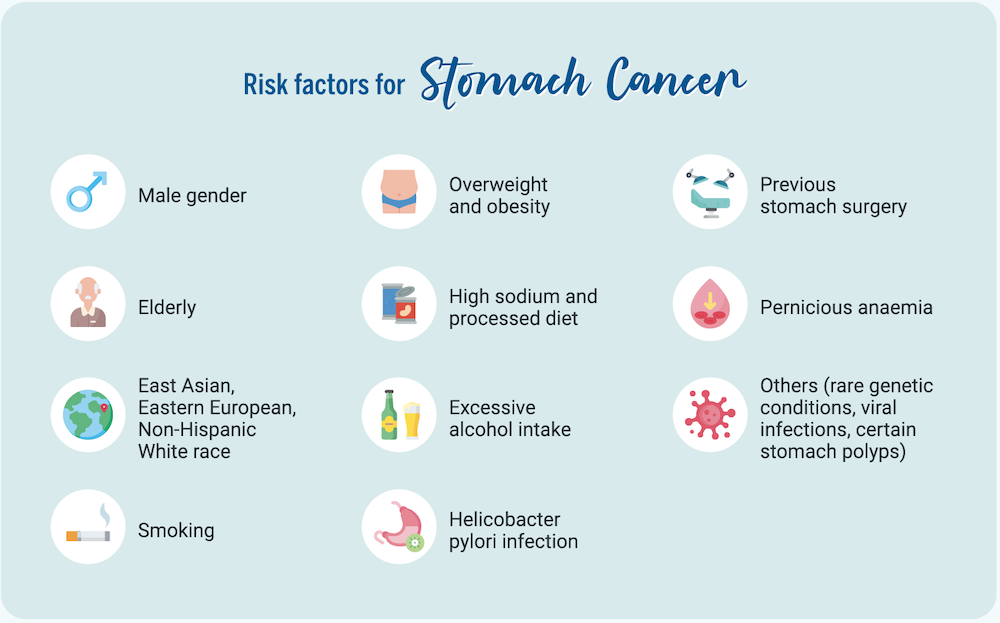
Sugary drinks are only one piece of the picture. Stomach cancer risk also rises with factors like Helicobacter pylori infection, smoking, high salt intake, family history, and some inherited syndromes. Age and sex can matter too.
That is why no honest reporter should oversell one beverage study. Still, diet is part of the risk profile you can control. And control counts. You do not get to choose every risk factor, but you do get a say in the ones sitting in your fridge.
What you can do now
If sugary drinks are a daily habit, start with a clean audit. Track what you drink for three days. You may find the problem is smaller than you feared or bigger than you thought.
Then make one swap that feels realistic. Replace one soda a day with plain water or an unsweetened option. If you hate plain water, add lemon or try sparkling water. Small change. Real payoff.
And if you already have stomach symptoms, a family history of cancer, or a diagnosis linked to H. pylori, talk with a clinician about your risk. The right next step is not guesswork. It is a plan.
What this means for your routine
The new stomach cancer risk signal does not mean you need to fear every sweet sip. It means you should stop treating sugary drinks like background noise. They are a habit with consequences, and habits are where prevention starts.
Look at your drink choices this week. Which one would you miss least if it disappeared tomorrow?
Sources
This article was medically reviewed and draws from peer-reviewed research and clinical guidelines published by:
- National Institute on Drug Abuse (NIDA)
- Substance Abuse and Mental Health Services Administration (SAMHSA)
- Centers for Disease Control and Prevention (CDC)
- MedlinePlus — U.S. National Library of Medicine
Content is reviewed for medical accuracy by our editorial team. Last reviewed: August 20, 2026.
Medical Disclaimer: This article is for educational purposes only. It is not a substitute for professional medical advice, diagnosis, or treatment. Always consult a qualified healthcare provider before making changes to your treatment plan. If you are experiencing a medical emergency, call 911 immediately. For substance use support, call SAMHSA at 1-800-662-4357 (free, confidential, 24/7).