
TikTok’s ADHD and Autism Advice Needs a Reality Check
TikTok’s ADHD and Autism Advice Needs a Reality Check
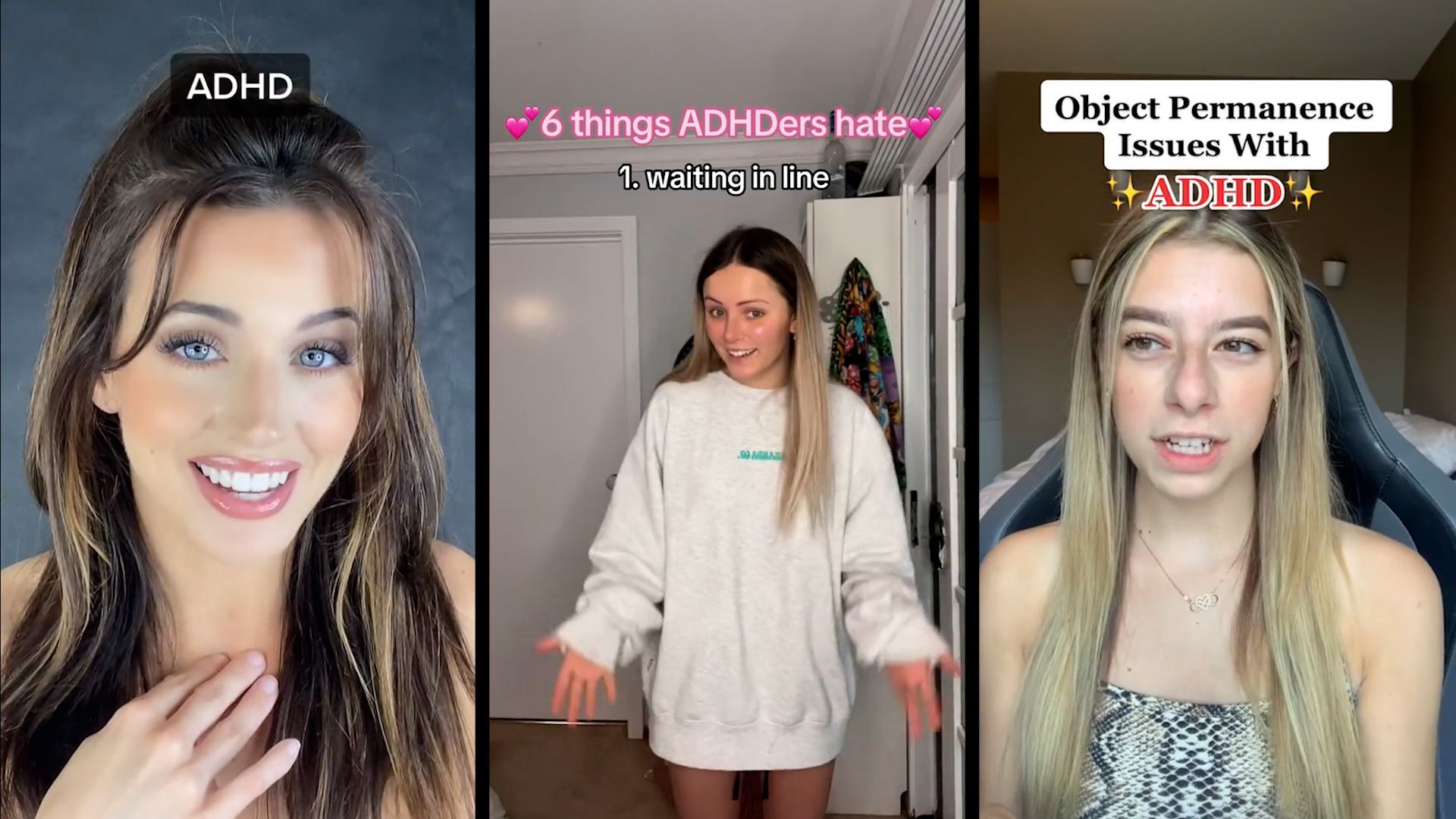
You open TikTok looking for clarity on ADHD or autism and get a firehose of quick fixes. It matters because ADHD autism TikTok misinformation shapes how you see your symptoms, how you talk to clinicians, and whether you delay care. Studies cited by Healthline show most viral clips on neurodiversity miss key facts or cite no sources at all. You deserve better than a roulette wheel of advice. So what should you trust, and how do you avoid the traps that fast-paced feeds set for you?
Fast Facts You Should Know
- Viral ADHD and autism clips often skip diagnostic criteria and inflate symptom lists.
- Creators who sell courses or supplements have clear conflicts.
- Clinical studies show viewers can mislabel normal behavior after bingeing these videos.
- Look for cited sources and licensed credentials before acting on advice.
Why ADHD Autism TikTok Misinformation Spreads
Short video rewards speed, not nuance, just like fast food trades flavor for quick calories. The algorithm boosts emotional hooks, so creators stretch claims to keep you watching. And some viewers want a label to explain everyday struggles. That cocktail feeds engagement, but it starves accuracy.
“Most of the popular ADHD and autism videos we reviewed were inaccurate or unsupported,” researchers told Healthline.
One sentence is enough.
Spotting Red Flags in ADHD Autism TikTok Misinformation
Start by scanning the creator’s bio. Are they licensed or just “awareness advocates” selling merch? Check for citations to DSM-5 criteria or peer-reviewed sources. Vague promises like “this one test will tell you everything” deserve a hard pass. If a video lists twenty symptoms with no context, that is a sign of careless bundling (think of a chef tossing every spice in the cabinet and calling it gourmet).
Checklist for Credible Content
- Verify credentials: licensed psychologist, psychiatrist, or certified therapist.
- Look for source links to clinical guidelines or journal articles.
- Watch for balanced language that mentions limitations and when to see a doctor.
- Avoid creators who pitch products as part of the “solution.”
How to Use Social Media Without Getting Misled
Set a time limit before you scroll so you are not pulled into endless clips. Save questions and bring them to a clinician who knows your history. Compare multiple sources instead of trusting a single viral post. And if a claim sounds too neat, ask yourself: would your primary care doctor sign off on this?
Honestly, this is like evaluating a sports team. You want a roster of evidence, not one flashy highlight reel.
Better Paths to ADHD and Autism Support
Look for structured screening tools from trusted organizations, such as CDC checklists or NHS guides. Join moderated forums where clinicians participate. Local support groups and telehealth visits offer context that fifteen-second clips cannot. You will feel more grounded when you combine professional input with lived experience rather than relying on trending hashtags.
What Comes Next
Algorithms will not slow down, but you can raise your standards. Demand sources, ask tougher questions, and steer friends toward credible care. Will TikTok creators adapt when viewers refuse to reward flimsy claims? That shift starts with you.
Sources
This article was medically reviewed and draws from peer-reviewed research and clinical guidelines published by:
- National Institute on Drug Abuse (NIDA)
- Substance Abuse and Mental Health Services Administration (SAMHSA)
- Centers for Disease Control and Prevention (CDC)
- MedlinePlus — U.S. National Library of Medicine
Content is reviewed for medical accuracy by our editorial team. Last reviewed: April 7, 2026.
Medical Disclaimer: This article is for educational purposes only. It is not a substitute for professional medical advice, diagnosis, or treatment. Always consult a qualified healthcare provider before making changes to your treatment plan. If you are experiencing a medical emergency, call 911 immediately. For substance use support, call SAMHSA at 1-800-662-4357 (free, confidential, 24/7).