
Trump Autism Vaccine Order: What It Means
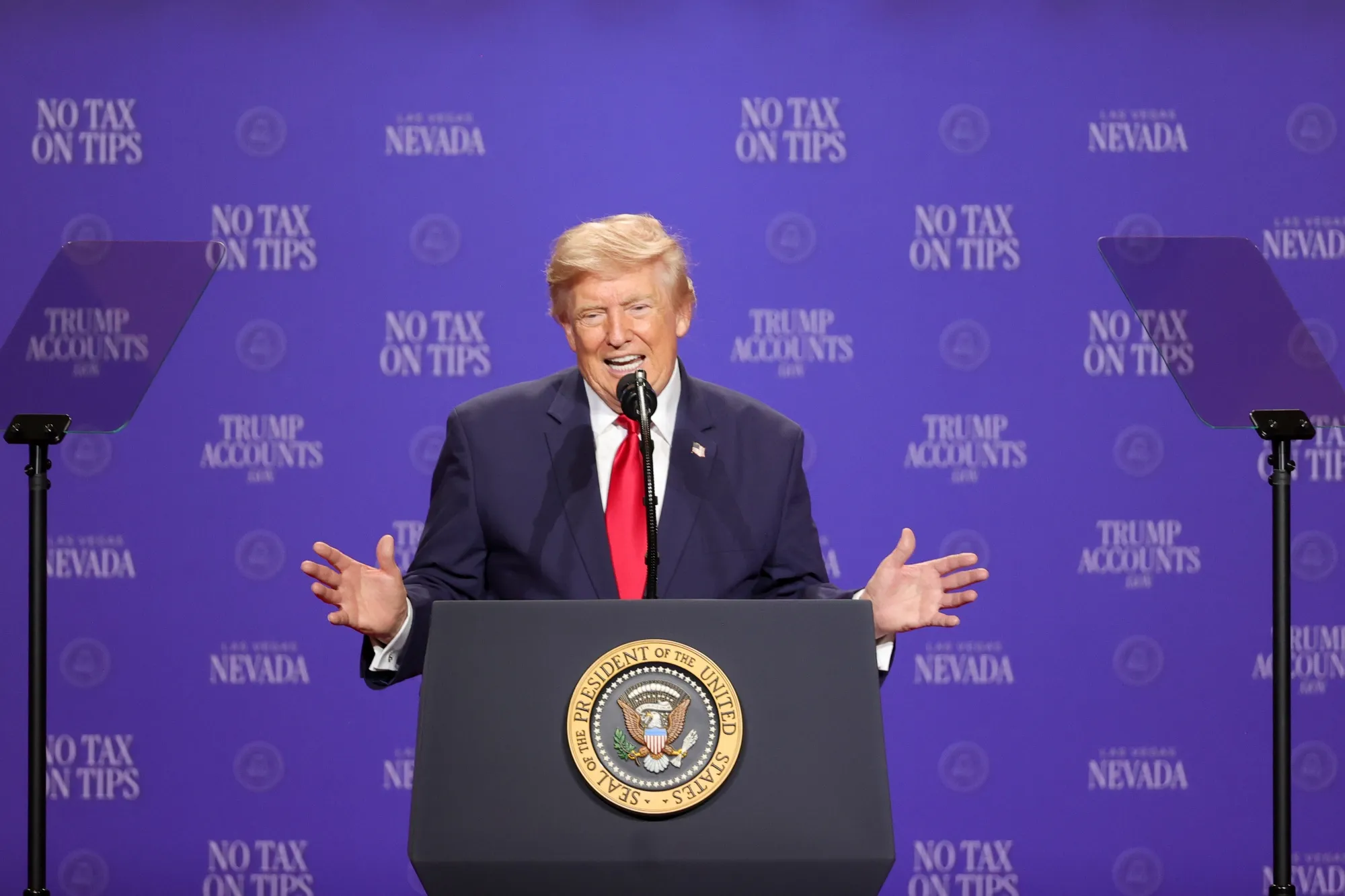
Trump Autism Vaccine Order: What It Means
If you are trying to sort fact from political noise, the Trump autism vaccine order can look like a blunt instrument aimed at a very sensitive issue. It matters because parents want straight answers, not talking points, and because autism research has been dragged into a fight that keeps muddying public trust. The basic question is simple. Do vaccines cause autism? The answer from decades of research has stayed the same: no credible evidence shows that routine childhood vaccines cause autism.
This is not a small debate. It affects pediatric visits, school requirements, and whether families get pulled into fear instead of facts. And when government action enters the mix, confusion spreads fast. So let’s strip this down and look at what the order signals, what the evidence says, and what you should pay attention to next.
What to know about the Trump autism vaccine order
- The order does not change the science. Medical evidence on vaccines and autism has not shifted.
- Policy language can still shape public behavior. People often treat executive action like medical guidance.
- Parents need clean information. Misinformation can affect vaccination decisions and delay care.
- Autism is complex. Research points to multiple genetic and developmental factors, not a single vaccine trigger.
Why the Trump autism vaccine order matters now
The order matters because public health policy has a shadow effect. Even if it does not rewrite clinical guidance, it can change what people believe is settled. That is a problem when the issue involves child health and a condition that already carries too much stigma.
Look, executive orders are not peer-reviewed studies. They are political tools. If the language around autism and vaccines gets loose, families may start chasing the wrong answers while missing better ones, like developmental screening, speech therapy, or early intervention.
Government messaging should not outrun the evidence. On vaccines and autism, the evidence has been steady for years.
What the research says about autism and vaccines
Large studies from the United States, Europe, and other countries have found no link between vaccines and autism. The most cited claim, involving the MMR vaccine, has been thoroughly rejected by the medical community after repeated research failures and the loss of the original paper’s credibility.
Scientists have looked at thimerosal, the measles-mumps-rubella vaccine, multiple vaccine schedules, and cumulative vaccine exposure. The results keep landing in the same place. Vaccines do not explain autism rates. A much better analogy is a kitchen recipe. If the final dish tastes different, you do not blame one spoon in the drawer without checking the ingredients, the heat, and the timing.
What experts focus on instead
- Genetic risk
- Early brain development
- Prenatal and perinatal factors
- Access to early diagnosis and support
Those areas do not offer a neat villain. But they do line up with what researchers actually observe.
How the Trump autism vaccine order can affect families
For parents, the biggest risk is confusion. A political order can sound like a warning, even when it is not backed by science. That can make some families hesitate on vaccines or question a diagnosis they have already received.
What should you do if this conversation lands in your home? Ask your child’s doctor for the evidence behind any claim. Ask what the current CDC and American Academy of Pediatrics guidance says. And if you are worried about autism, focus on developmental milestones, hearing checks, and early screening, because that is where action helps.
- Keep your child on the recommended vaccine schedule unless your pediatrician advises otherwise.
- Use standard developmental screening at well-child visits.
- Track speech, social, and motor concerns early.
- Push for evaluation if you see delays. Do not wait for politics to settle the question.
One sentence matters here. Politics does not diagnose autism.
Trump autism vaccine order and public trust in health guidance
Trust is the real battleground. Once families think health agencies are speaking with a political agenda, the damage is hard to undo. That is why careful language matters so much. If officials blur the line between policy and proof, they make it harder for clinicians to do their jobs.
Here is the thing. Most parents are not trying to join an argument. They want to protect their kids. The job of public health should be to make that easier, not harder.
What you should watch next
If this order leads to new statements, reviews, or agency action, pay attention to whether those moves cite actual scientific evidence or just repeat old claims. That distinction is non-negotiable. A headline can travel fast. A correction usually does not.
Will the noise fade, or will it keep pulling attention away from the real work of screening, support, and honest medical counseling? That answer will tell you more than any slogan ever could.
Sources
This article was medically reviewed and draws from peer-reviewed research and clinical guidelines published by:
- National Institute on Drug Abuse (NIDA)
- Substance Abuse and Mental Health Services Administration (SAMHSA)
- Centers for Disease Control and Prevention (CDC)
- MedlinePlus — U.S. National Library of Medicine
Content is reviewed for medical accuracy by our editorial team. Last reviewed: August 8, 2026.
Medical Disclaimer: This article is for educational purposes only. It is not a substitute for professional medical advice, diagnosis, or treatment. Always consult a qualified healthcare provider before making changes to your treatment plan. If you are experiencing a medical emergency, call 911 immediately. For substance use support, call SAMHSA at 1-800-662-4357 (free, confidential, 24/7).