
Type 2 Diabetes and Menopause Symptoms: What the New Research Means
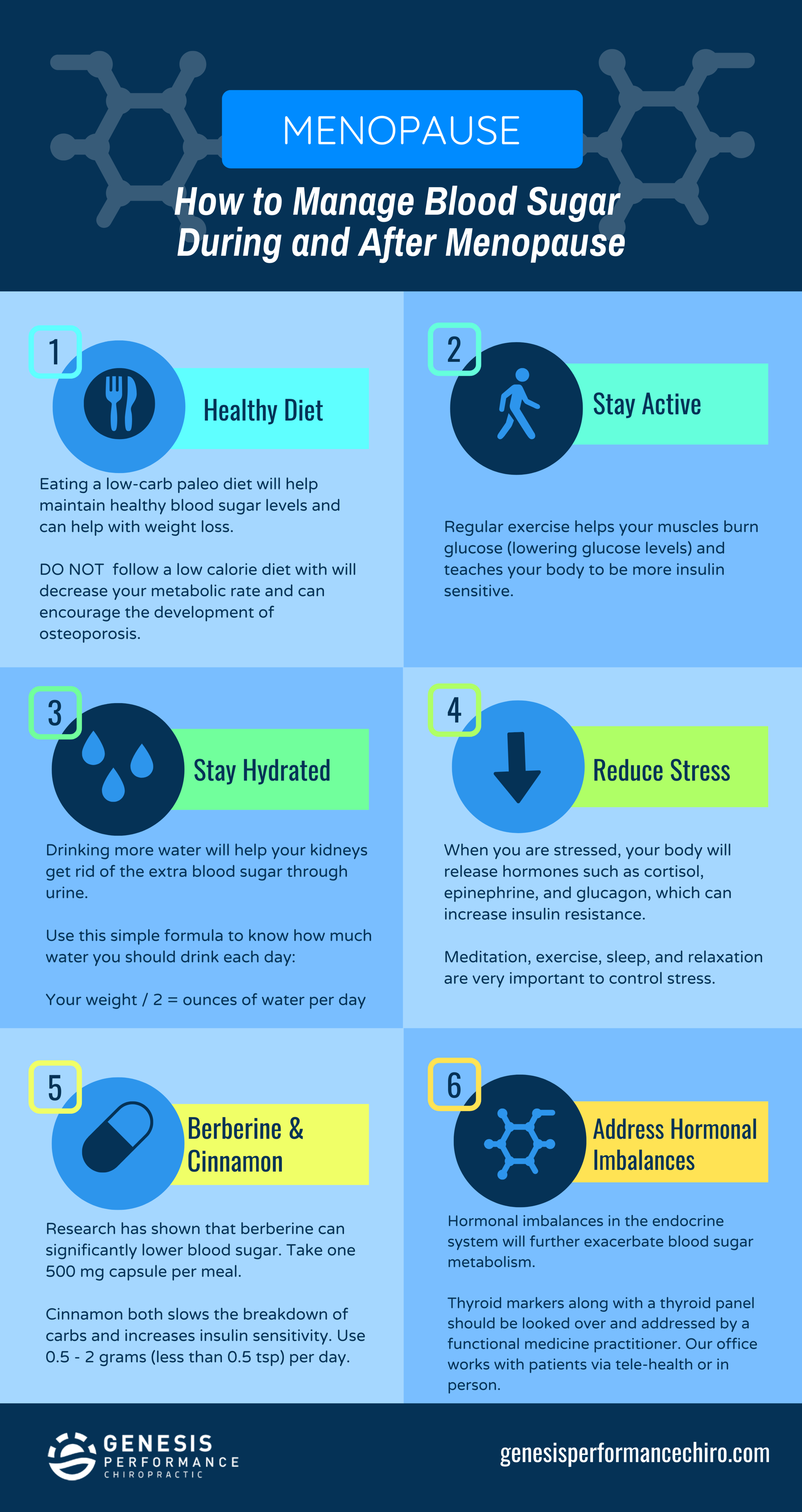
Type 2 Diabetes and Menopause Symptoms: What the New Research Means
If you are dealing with hot flashes, sleep trouble, mood swings, and blood sugar swings at the same time, life can feel like a moving target. The new signal in the type 2 diabetes and menopause symptoms research is simple but unsettling. Diabetes may make some menopause symptoms more intense, and that can affect how you eat, sleep, and manage your day. Why does that matter now? Because midlife care is often split into separate lanes, and that split can leave you guessing about what is driving what. When blood sugar and hormone changes overlap, the fix is rarely one-size-fits-all. You need a plan that looks at both.
What the research is pointing to
- Type 2 diabetes may be linked to worse menopause symptoms, especially sleep and mood issues.
- Hormone shifts can change insulin sensitivity, which can make glucose control less steady.
- Poor sleep can raise blood sugar the next day, which creates a rough loop.
- Managing both conditions together can make day-to-day symptoms easier to track.
The research does not mean every woman with diabetes will have severe menopause symptoms. But it does suggest the overlap is more than a coincidence. Healthline reported on a study showing that women with type 2 diabetes had a higher burden of menopause symptoms than women without diabetes, which fits what many clinicians see in practice.
Why type 2 diabetes and menopause symptoms can feed each other
Menopause changes estrogen levels, and estrogen affects more than reproduction. It also plays a role in body fat distribution, insulin sensitivity, and temperature control. That is one reason hot flashes and night sweats can show up alongside blood sugar changes.
Type 2 diabetes adds its own pressure. Higher glucose can affect energy, mood, thirst, and sleep quality. And if you are waking up at 2 a.m. drenched, the next day’s food choices and glucose checks can get messy fast.
Think of it like a house with two faulty thermostats. One keeps the rooms too hot, the other keeps changing the settings. You do not solve that by staring at one dial and ignoring the other.
Here is the thing. Some symptoms blamed on menopause may also come from glucose swings, medication timing, or sleep loss. That makes tracking more useful than guessing.
Which symptoms deserve closer attention?
Look for patterns, not single bad days. Are your symptoms worse after late meals? Do night sweats line up with overnight lows or highs? Does brain fog improve after a more stable week of eating and sleep?
Common symptoms that can overlap include:
- Hot flashes and night sweats
- Poor sleep or waking often
- Irritability, anxiety, or low mood
- Fatigue and brain fog
- Weight changes and more central belly fat
These are not proof of one cause. But they are useful clues. And clues matter.
What you can do about type 2 diabetes and menopause symptoms
The best move is not to treat each symptom in isolation. You want a cleaner picture of your blood sugar, sleep, and symptom timing. That gives your clinician something concrete to work with.
Start with a simple log
Track three things for two weeks: glucose readings, sleep quality, and menopause symptoms. Keep it short. A few notes each day are enough.
- Time of meals
- Blood sugar highs or lows
- Night sweats or hot flashes
- Caffeine and alcohol use
- Exercise, even a walk
Review medications and routines
Some diabetes medicines can increase the risk of low blood sugar. That can blur the picture if you wake up shaky, sweaty, or exhausted. Bring your log to your clinician and ask whether your medication timing or dose needs a look.
Sleep also deserves respect. Short sleep can make glucose control worse, and worse glucose can make sleep shorter. That loop is stubborn. But it can be broken with a more regular bedtime, less alcohol near sleep, and a tighter dinner window when your care team says it is safe.
What your doctor may check
Your clinician may ask about menstrual history, symptom timing, A1C, medications, thyroid issues, and sleep problems. If you are a candidate for hormone therapy, the conversation should include your diabetes status, cardiovascular risk, and personal history. That is standard, careful medicine, not overcaution.
Ask direct questions. Which symptoms are likely menopause related? Which ones could point to blood sugar problems? What should improve first if your plan is working? Those are fair questions, and they save time.
Honestly, midlife care works better when someone stops treating menopause like a side note.
What to watch next
The practical takeaway is not panic. It is coordination. If you have type 2 diabetes and your menopause symptoms feel sharper than expected, bring both into the same visit. That is the faster path to a better plan.
And if your symptoms keep changing, keep tracking. What pattern shows up first in your week, the blood sugar shift or the sleep break?
That answer may tell you more than a long list of guesses.
Sources
This article was medically reviewed and draws from peer-reviewed research and clinical guidelines published by:
- National Institute on Drug Abuse (NIDA)
- Substance Abuse and Mental Health Services Administration (SAMHSA)
- Centers for Disease Control and Prevention (CDC)
- MedlinePlus — U.S. National Library of Medicine
Content is reviewed for medical accuracy by our editorial team. Last reviewed: August 11, 2026.
Medical Disclaimer: This article is for educational purposes only. It is not a substitute for professional medical advice, diagnosis, or treatment. Always consult a qualified healthcare provider before making changes to your treatment plan. If you are experiencing a medical emergency, call 911 immediately. For substance use support, call SAMHSA at 1-800-662-4357 (free, confidential, 24/7).