
Ultra-Processed Foods and Health Risks
Ultra-Processed Foods and Health Risks
If your grocery cart is full of packaged snacks, frozen meals, sweet drinks, and breakfast bars, the latest research on ultra-processed foods deserves your attention. A large review reported by Healthline links heavy intake of these foods with higher risks of several chronic diseases and early death. That does not mean one boxed meal will ruin your health. It does mean the pattern matters, especially because these foods are cheap, convenient, and built to be easy to overeat. As someone who has covered nutrition research for years, I have learned to be cautious with scary food headlines. But this signal is getting hard to brush aside, because it shows up across heart health, metabolic disease, mental health, and weight gain.
What matters most
- High intake of ultra-processed foods is linked with higher risk of heart disease, type 2 diabetes, obesity, anxiety, depression, and early death.
- The evidence is strongest for cardiometabolic outcomes, including heart disease and diabetes.
- Ultra-processed does not always mean high calorie, but these foods often contain added sugar, refined starches, salt, flavorings, and industrial fats.
- You do not need a perfect diet. Replacing a few daily ultra-processed items with simpler foods can lower your exposure.
What are ultra-processed foods?
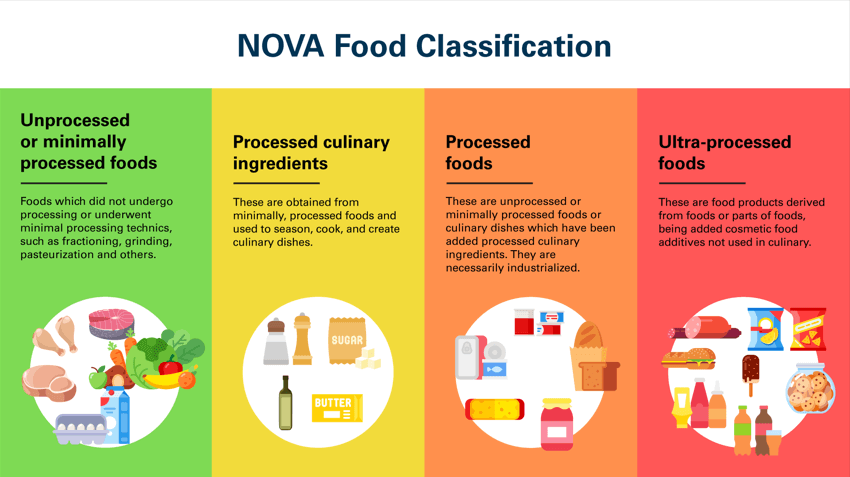
Researchers often use the NOVA food classification system, which sorts food by processing level. Ultra-processed foods are industrial products made mostly from extracted ingredients, additives, and formulations you would not usually use in a home kitchen.
Common examples include soda, packaged cookies, chips, instant noodles, sugary cereals, processed meats, frozen pizza, fast food, flavored yogurts, and many snack bars. Some look healthy at first glance, which is why front-of-package claims can be so slippery.
“The issue is not one ingredient in isolation. The concern is the whole food pattern, repeated daily, in foods designed for speed, shelf life, and repeat eating.”
Ultra-processed foods and disease risk: what the research found
The Healthline report covered an umbrella review published in The BMJ that evaluated findings from multiple meta-analyses. Researchers found links between higher ultra-processed food intake and 32 health outcomes, including cardiovascular disease, type 2 diabetes, obesity, sleep problems, anxiety, depression, and death from any cause.
That sounds seismic, and it is. Still, most of this research is observational, so it can show strong associations but cannot prove that ultra-processed foods alone caused every outcome.
That is the part worth taking seriously.
Look, nutrition studies are messy because real people do not eat in lab conditions for decades. People who eat many ultra-processed foods may also face stress, lower food access, less sleep, fewer safe places to exercise, or tight budgets, all of which affect health.
But the pattern keeps showing up. And when separate studies, in different groups, keep pointing in the same direction, it becomes a practical signal rather than a one-week headline.
Why ultra-processed foods may affect your body
There is no single villain here. The risk likely comes from several forces working together, a bit like a weak sports team losing because of defense, conditioning, and poor coaching rather than one bad player.
They can push you to eat more
Many ultra-processed foods are soft, sweet, salty, or high in fat. They are also easy to eat quickly, so your body may not register fullness until you have already eaten more than planned.
A controlled trial from the National Institutes of Health found that people ate about 500 more calories per day on an ultra-processed diet compared with an unprocessed diet, even when meals were matched for calories, sugar, fat, fiber, and macronutrients. That finding should make every snack-food executive uncomfortable.
They often crowd out better foods
If breakfast is a sweetened cereal bar and coffee drink, you may miss protein, fiber, and whole-food nutrients that keep appetite steady. The same pattern can repeat at lunch and dinner, with refined starches replacing beans, vegetables, nuts, eggs, fish, or plain yogurt.
This matters because diet quality is cumulative. Your body does not grade meals one by one, it responds to the running average.
Additives and processing may matter too
Some scientists are studying whether emulsifiers, artificial sweeteners, colorings, and texture agents affect the gut microbiome, inflammation, or blood sugar regulation. The evidence is still developing, and it is not fair to blame every additive equally.
Even so, the bigger picture is clear enough for action. If a food is built from refined ingredients and engineered to be eaten often, it deserves a closer look.
How to spot ultra-processed foods in real life
You do not need a nutrition degree to make better calls. Start with the ingredient list, then ask whether the product looks like something you could make at home with normal pantry items.
- Check for long ingredient lists. Many additives, flavors, colors, thickeners, and sweeteners can signal heavy processing.
- Watch for refined starches and sugars near the top. Corn syrup, dextrose, maltodextrin, and refined flour show up often.
- Be skeptical of health halos. “High protein,” “keto,” “gluten free,” and “plant based” can still describe ultra-processed products.
- Compare similar items. Plain oats usually beat sweetened instant packets. Plain yogurt usually beats candy-like yogurt cups.
What if you rely on packaged food because you are busy, tired, or feeding kids on a budget? Then the goal is not purity, because purity is a marketing trap.
Think in swaps. Keep the convenience, but reduce the processing where you can.
Ultra-processed foods: practical swaps that do not punish your schedule
The best swap is the one you will repeat. A perfect plan that collapses by Wednesday is less useful than three small changes you can keep for months.
- Replace soda or sweet tea with sparkling water, unsweetened tea, or water with citrus.
- Swap sugary cereal for oats with nuts, fruit, and cinnamon.
- Trade chips at lunch for nuts, fruit, carrots with hummus, or popcorn with simple ingredients.
- Use rotisserie chicken, canned beans, microwave rice, and frozen vegetables for a fast meal with fewer additives.
- Choose plain yogurt and add fruit yourself instead of buying dessert-style yogurt.
- Pick whole-grain bread with a short ingredient list over packaged pastries or snack cakes.
Frozen and canned foods can still be smart choices. Frozen vegetables, canned tuna, canned beans, plain frozen fruit, and jarred tomato sauce with simple ingredients can save time without pushing your diet toward ultra-processed meals.
What this means for addiction and cravings
Some people describe intense cravings for sweet, salty, high-fat packaged foods, and that experience is real. Researchers have debated whether certain ultra-processed foods can trigger addiction-like eating patterns because they deliver rapid reward with little effort.
This does not mean you lack discipline. Food companies test texture, flavor, smell, and packaging with the same seriousness that tech firms bring to app design, because repeat use is the business model.
If you feel pulled toward these foods at night or under stress, change the setup before relying on willpower. Keep high-trigger foods out of the house most days, eat enough protein earlier, and plan one satisfying snack that does not start a binge.
What I would do this week
Honestly, I would not start with a dramatic pantry cleanout. I would track the top three ultra-processed foods you eat most often, then replace one of them for seven days.
Choose the easiest target first. If you drink two sodas daily, cutting one may matter more than buying an expensive powder with a wellness label.
Then build a short list of default meals. For example, eggs and toast, bean tacos, tuna rice bowls, Greek yogurt with fruit, or pasta with vegetables and chicken can beat takeout without turning dinner into a project.
The smarter next step
The research on ultra-processed foods is not perfect, but it is strong enough to change your grocery routine. You do not need fear, and you do not need a flawless plate.
Start by making your usual diet a little less packaged and a little more recognizable. If the food industry can make repeat eating automatic, why can’t you make a better default just as easy?
Sources
This article was medically reviewed and draws from peer-reviewed research and clinical guidelines published by:
- National Institute on Drug Abuse (NIDA)
- Substance Abuse and Mental Health Services Administration (SAMHSA)
- Centers for Disease Control and Prevention (CDC)
- MedlinePlus — U.S. National Library of Medicine
Content is reviewed for medical accuracy by our editorial team. Last reviewed: September 29, 2026.
Medical Disclaimer: This article is for educational purposes only. It is not a substitute for professional medical advice, diagnosis, or treatment. Always consult a qualified healthcare provider before making changes to your treatment plan. If you are experiencing a medical emergency, call 911 immediately. For substance use support, call SAMHSA at 1-800-662-4357 (free, confidential, 24/7).