
Ultraprocessed Foods and Your Muscle, Bone, and Fertility Health
Ultraprocessed Foods and Your Muscle, Bone, and Fertility Health
If ultraprocessed foods make up a big share of your meals, the problem is not only calories. New reporting on ultraprocessed foods points to a wider cost: weaker muscle support, less bone-friendly nutrition, and possible fertility strain. That matters now because these foods are cheap, fast, and everywhere, from breakfast bars to frozen snacks. They often crowd out protein, calcium, fiber, and other nutrients your body needs to repair tissue and make hormones. The research does not say every packaged food is harmful. But it does show a pattern that deserves attention, especially if your diet leans hard on convenience. If you are training, trying to conceive, or just trying to age well, that gap can show up sooner than you think. The fix is not fear. It is better defaults.
What stands out
- Muscle: ultraprocessed foods can make it harder to get enough protein and enough recovery fuel.
- Bone: the bigger problem is often what these foods leave out, especially calcium, vitamin D, and magnesium.
- Fertility: the concern is a pattern of lower nutrient density, not a single ingredient.
- Best first move: change the meals you repeat most, not every item in your kitchen at once.
Why ultraprocessed foods matter beyond weight
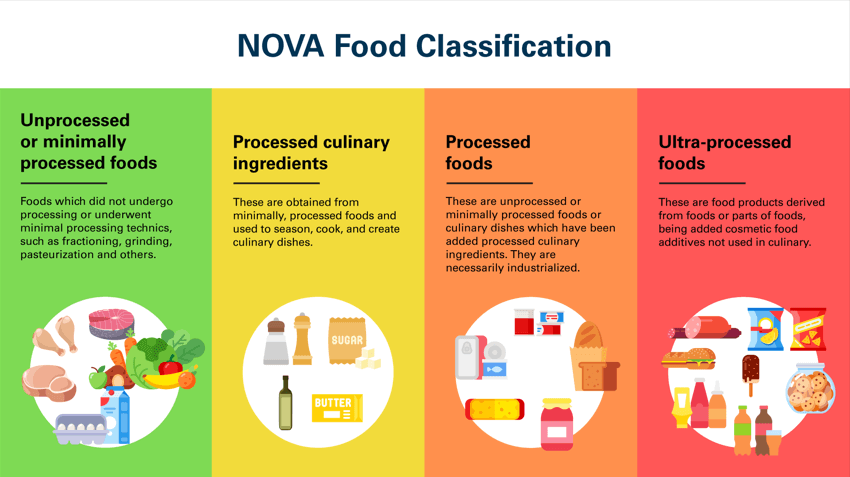
Ultraprocessed foods are usually built for shelf life, speed, and taste. That often means more added sugar, sodium, refined starches, and fats, with less fiber and fewer vitamins and minerals. That mix can crowd out the nutrients your body uses to repair tissue and make hormones.
Pattern matters more than a single meal. If ultraprocessed foods are your default, the gaps add up where your body needs them most.
The real issue is what ultraprocessed foods replace.
Ultraprocessed Foods and Muscle Health
Muscle needs enough protein and enough total energy to stay strong. If your meals are built around snack foods, sweet drinks, and ready-made plates, it is easy to miss both.
Research on dietary patterns suggests that lower protein quality and lower micronutrient intake can slow recovery after exercise and make it harder to maintain lean mass. Think of training for a marathon on a diet of snack bars and soda. You can still move, but the repair work never gets the raw material it needs.
Why protein quality matters
Muscle repair depends on amino acids, especially after exercise or illness. Whole foods like dairy, eggs, fish, beans, tofu, chicken, and yogurt make it easier to get those building blocks without a long ingredient list or a lot of added sugar.
Ultraprocessed Foods and Bone Health
Bone health is not only about calcium. It also depends on vitamin D, magnesium, protein, and enough total calories, all of which can get squeezed out when ultraprocessed foods take over too many meals.
Some ultraprocessed foods are fortified, which helps. But fortification does not fix a diet that is thin on produce, legumes, dairy or calcium-fortified alternatives, and other nutrient-dense staples.
The nutrient gap problem
If most of your calories come from packaged foods, you may still hit some targets and miss others. That is a bad trade for bone turnover, which needs steady input over time rather than a once-in-a-while rescue meal.
Ultraprocessed Foods and Fertility
Fertility research is still developing, but the signal is hard to ignore. Studies have linked higher ultraprocessed food intake with poorer sperm quality and less favorable reproductive outcomes, though many factors can influence fertility at the same time.
Weight, sleep, alcohol, stress, and smoking all matter. So does diet quality. A pattern heavy in ultraprocessed foods can make it harder to get enough folate, iron, zinc, omega-3 fats, and other nutrients tied to reproductive health.
Hormones, inflammation, and body composition
Researchers think the effect may run through several paths at once. Those include poorer metabolic health, more inflammation, and shifts in body fat that can influence estrogen, testosterone, and ovulation.
- Add one real protein source to breakfast.
- Replace one daily snack with fruit, nuts, or yogurt.
- Build dinner around a whole-food base, then add convenience where it helps.
- Check labels for sugar and sodium, but judge the whole meal, not one ingredient.
That is the practical move. Start with the meal you repeat most, and change the part that is easiest to fix first.
What to do next
You do not need a perfect pantry to get better results from food. You need a pattern that gives your muscles protein, your bones minerals, and your hormones enough nutritional support to do their job.
So ask the simple question: if ultraprocessed foods are filling most of your plate, what are they pushing out?
Sources
This article was medically reviewed and draws from peer-reviewed research and clinical guidelines published by:
- National Institute on Drug Abuse (NIDA)
- Substance Abuse and Mental Health Services Administration (SAMHSA)
- Centers for Disease Control and Prevention (CDC)
- MedlinePlus — U.S. National Library of Medicine
Content is reviewed for medical accuracy by our editorial team. Last reviewed: April 16, 2026.
Medical Disclaimer: This article is for educational purposes only. It is not a substitute for professional medical advice, diagnosis, or treatment. Always consult a qualified healthcare provider before making changes to your treatment plan. If you are experiencing a medical emergency, call 911 immediately. For substance use support, call SAMHSA at 1-800-662-4357 (free, confidential, 24/7).