
Updated COVID Vaccines Target XFG Variant: What to Know
Updated COVID Vaccines Target XFG Variant: What to Know
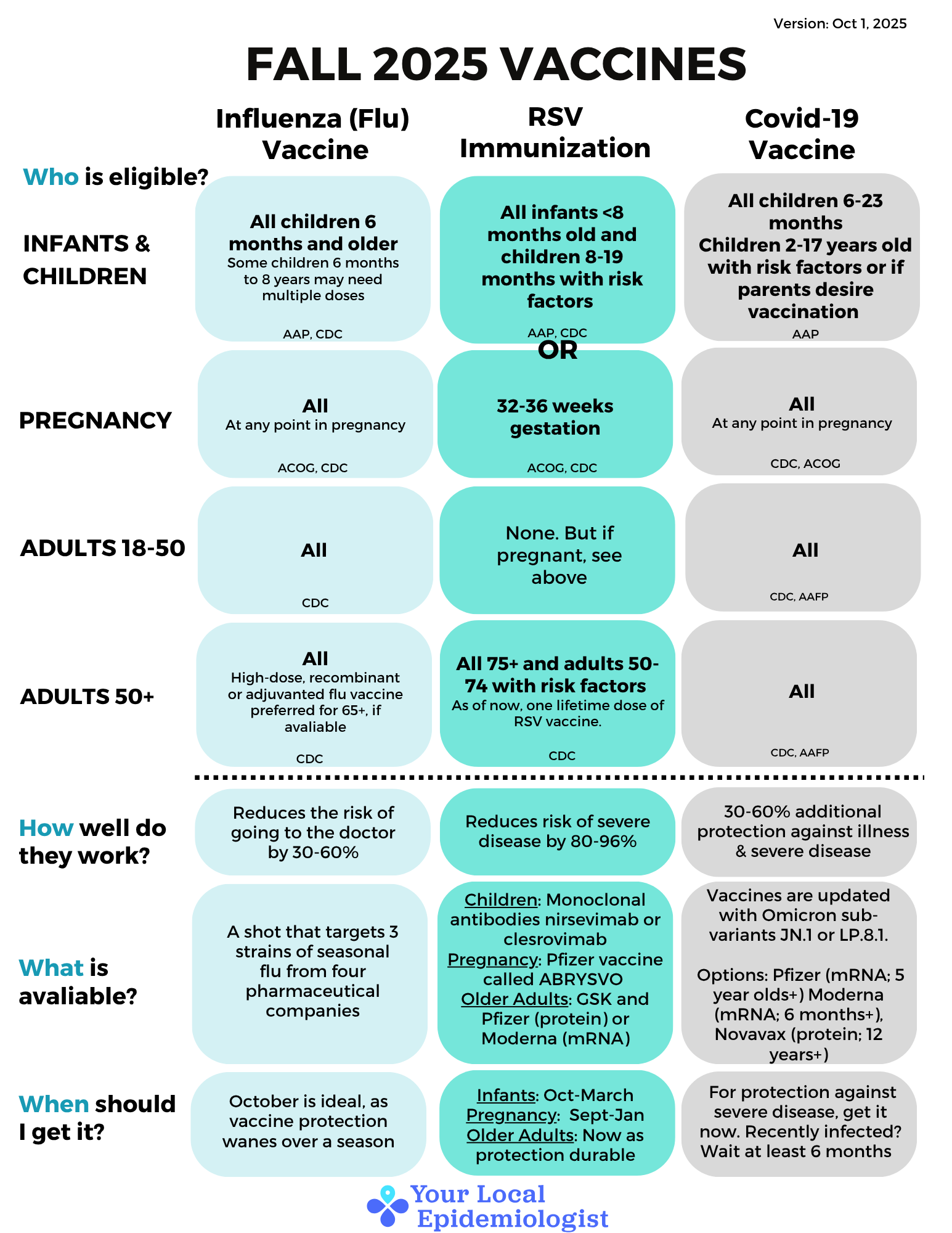
You may be wondering whether another COVID shot is worth your time, especially if you were vaccinated before or had COVID recently. The short answer: the new updated COVID vaccines matter because the virus keeps shifting, and protection from older shots fades over time. According to Healthline, the FDA has approved updated COVID-19 vaccines targeting the XFG variant, a more current strain than the one used in older vaccine formulas. That does not mean every person needs the same plan. Age, health risk, pregnancy, immune status, and past infection all shape the decision. But if you are at higher risk for severe illness, this update deserves attention now. Think of it like changing tires for a new season. The old set may still work, but it may not grip as well on the road you are actually driving.
What Matters Most Right Now
- The FDA has approved updated COVID vaccines aimed at better matching circulating variants, including XFG.
- Older vaccine formulas may offer less targeted protection as the virus changes.
- People at higher risk, including older adults and those with chronic conditions, should ask a clinician about timing.
- Recent COVID infection can affect when your next dose makes the most sense.
- Side effects are expected to be similar to prior COVID shots for most people.
Why Updated COVID Vaccines Now Focus on XFG
COVID has not vanished. It has settled into a pattern of waves, mutations, and uneven risk. The XFG variant is part of that ongoing churn, and vaccine makers are trying to keep pace by matching shots more closely to what is spreading now.
That matching matters. Vaccines do not need to be a perfect copy of the latest variant to help, but a closer match can improve immune recognition. The goal is not only to prevent every sniffle. It is to reduce severe disease, hospitalization, and death, especially in people whose immune systems need more backup.
The practical question is not whether COVID vaccines are perfect. They are not. The better question is whether the updated formula improves your odds against the version of the virus you are more likely to meet.
Honestly, that is the standard I care about after years of covering vaccine updates. Not hype. Not panic. Just odds.
Who Should Consider Updated COVID Vaccines First?
Your risk is not the same as your neighbor’s risk. A healthy 28-year-old who had COVID two months ago has a different calculation than a 72-year-old with diabetes or a person taking immune-suppressing medicine.
Groups most likely to benefit from updated COVID vaccines include:
- Adults 65 and older
- People with heart disease, lung disease, diabetes, kidney disease, obesity, or cancer
- People with weakened immune systems
- Pregnant people, who have higher risk for severe COVID complications
- Residents of long-term care facilities
- People who live with or care for someone at high risk
What if you are young and healthy? You still may choose vaccination to lower your risk of illness, missed work, and spreading the virus to vulnerable people. But the strongest case remains for those who face the highest stakes.
How the FDA Approval Changes Your Vaccine Options
FDA action signals that regulators reviewed updated data on formulation, immune response, safety, and manufacturing quality. Depending on age group and product, COVID vaccines may be approved or authorized under different regulatory pathways. That distinction can sound bureaucratic, but it affects labeling, eligibility, and pharmacy rules.
Brands may include mRNA vaccines, such as Pfizer-BioNTech and Moderna, and protein-based options, such as Novavax, depending on availability and current authorization. If you had side effects from one platform before, ask whether another option fits your medical history.
Look, the pharmacy counter is not the place to sort out a complicated medical decision if you have a serious allergy, a history of myocarditis, or a weakened immune system. Call your clinician first (even a quick portal message can save you confusion).
Updated COVID Vaccines and Timing After Infection
If you recently had COVID, you may not need a shot immediately. Many clinicians advise waiting a period after infection because your immune system already received a fresh reminder from the virus. The right interval can vary based on your risk level and public health guidance.
Timing is where people get tripped up. Too soon, and you may gain less added benefit. Too late, and you may be exposed during a wave with weaker protection. The sweet spot depends on your health and local COVID activity.
- Check the date of your last COVID vaccine.
- Check the date of your most recent infection, if you tested positive.
- Review your risk factors, including age and chronic conditions.
- Ask your clinician or pharmacist which updated product is available and appropriate.
- Plan around major events, travel, or surgery so side effects do not collide with your schedule.
Simple, but often skipped.
What Side Effects Should You Expect?
Most people should expect side effects similar to earlier COVID shots. Sore arm, fatigue, headache, chills, muscle aches, or low-grade fever can happen in the first day or two. These reactions usually pass without treatment.
Serious side effects are rare, but they deserve plain language. Myocarditis and pericarditis have been reported after mRNA COVID vaccines, most often in adolescent and young adult males. Severe allergic reactions are also rare. If you have chest pain, trouble breathing, swelling of the face or throat, or a fast irregular heartbeat after vaccination, seek medical care.
Do you need to pre-dose with fever medicine? Many clinicians suggest waiting unless symptoms appear, because routine pre-treatment may blunt parts of the immune response. If you take daily medication or have a condition that requires fever control, ask your doctor.
What Updated COVID Vaccines Can and Cannot Do
Updated vaccines can reduce your risk of severe outcomes. They can also lower your odds of infection for a period, though that protection is more fragile because variants keep changing and antibodies decline.
They cannot promise you will never test positive. Anyone selling that idea is overselling the science. COVID immunity is more like layered home security than a locked bank vault. Vaccination, prior infection, ventilation, testing, and staying home when sick each add a layer.
For high-risk households, that layered approach still matters. If grandma is starting chemotherapy or your partner has a transplant, a vaccine decision is not only personal. It can be a household risk decision.
How to Make a Clear Decision This Week
You do not need to read every variant chart to make a solid choice. Start with your risk level, then match timing to your recent infection or last dose. If you are high risk and months out from your last vaccine, the updated shot is worth discussing soon.
Use this quick filter:
- High risk and not recently vaccinated: Ask about getting the updated shot soon.
- Recently infected: Ask whether waiting makes sense for you.
- History of severe allergy or myocarditis: Get medical advice before booking.
- Pregnant or trying to conceive: Ask your OB-GYN or clinician about current recommendations.
- Healthy, low risk, and unsure: Weigh your exposure, work situation, travel, and contact with vulnerable people.
The Next COVID Shot Should Be a Smarter One
The FDA approval of updated COVID vaccines targeting XFG is not a return to 2020. It is a sign that COVID vaccination is becoming more like flu vaccination, with formulas adjusted as the virus changes. That process will be messy at times, and public guidance may keep shifting.
My take: skip the culture-war noise and make the decision like you would any other health risk. Check your age, conditions, exposure, and timing. Then ask one practical question: would better protection this season give you or someone in your home a real safety margin?
Sources
This article was medically reviewed and draws from peer-reviewed research and clinical guidelines published by:
- National Institute on Drug Abuse (NIDA)
- Substance Abuse and Mental Health Services Administration (SAMHSA)
- Centers for Disease Control and Prevention (CDC)
- MedlinePlus — U.S. National Library of Medicine
Content is reviewed for medical accuracy by our editorial team. Last reviewed: September 8, 2026.
Medical Disclaimer: This article is for educational purposes only. It is not a substitute for professional medical advice, diagnosis, or treatment. Always consult a qualified healthcare provider before making changes to your treatment plan. If you are experiencing a medical emergency, call 911 immediately. For substance use support, call SAMHSA at 1-800-662-4357 (free, confidential, 24/7).