
US Food Recalls: What Lettuce and Jalapeños Mean for Your Safety
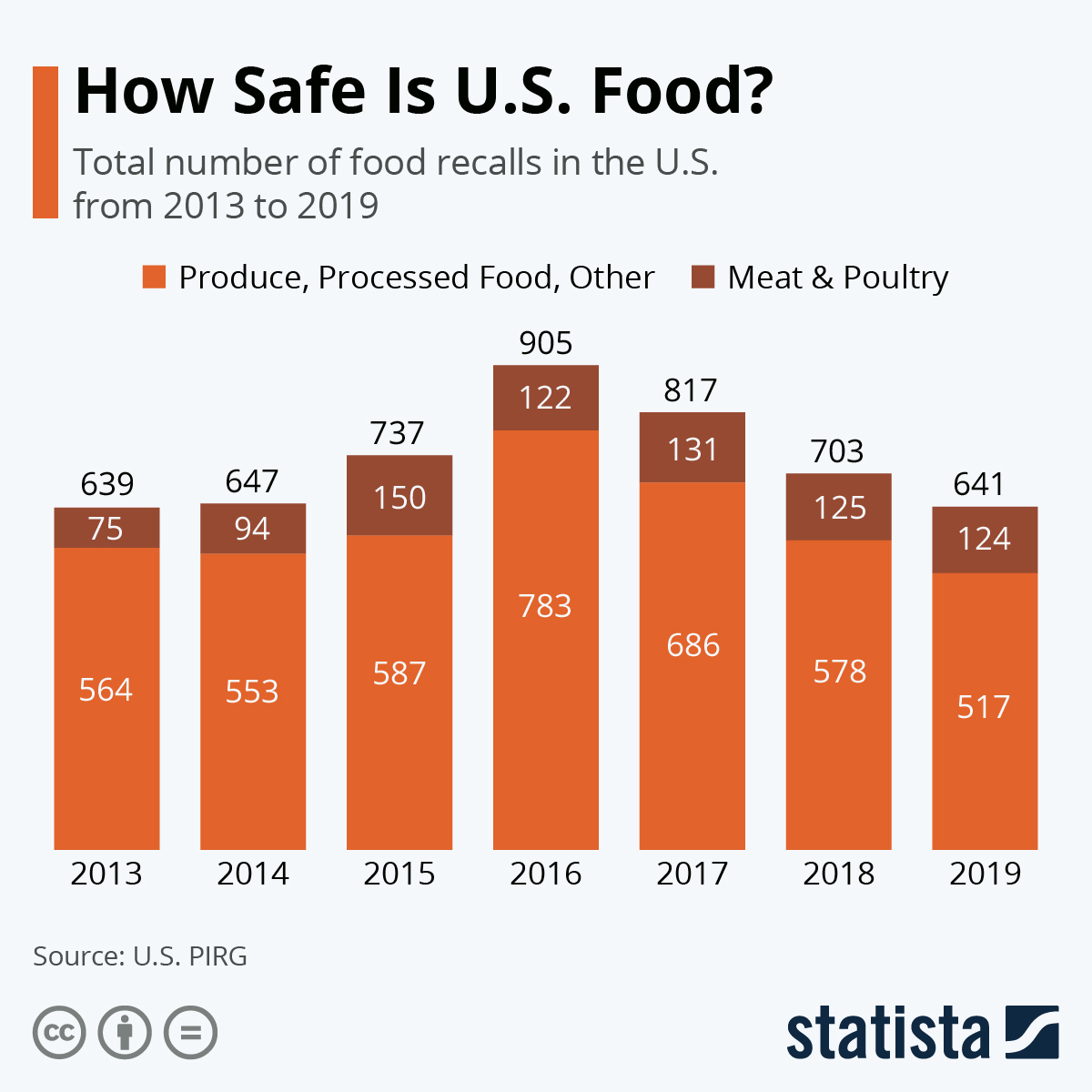
US Food Recalls: What Lettuce and Jalapeños Mean for Your Safety
If you shop on a tight schedule, a US food recalls notice can feel like one more nuisance. But these alerts matter because produce can move fast from farm to shelf, and a contaminated batch can end up in your fridge before you even hear the news. Lettuce and jalapeños are especially tricky. They are often eaten raw, which means there is no cooking step to kill bacteria before the food hits your plate. That is why a recall is not just a headline. It is a signal to check what you bought, where it came from, and whether anyone in your home may have already eaten it. What should you do first when a recall lands in the middle of your grocery week?
What to watch in US food recalls
- Check brand names, package dates, and lot codes before you toss anything.
- Do not taste-test recalled produce to see if it is safe.
- Clean fridge drawers and prep surfaces if the item touched other food.
- Watch for symptoms like diarrhea, vomiting, fever, or stomach cramps after exposure.
- Keep the receipt or packaging photo if you need a refund or follow-up.
Why lettuce and jalapeños keep showing up in US food recalls
Leafy greens and peppers sit close to the soil, water, and handling steps that can introduce contamination. They also get eaten raw in salads, sandwiches, salsas, and wraps. That gives pathogens like Salmonella or E. coli a straight shot to the gut.
Food safety experts at the FDA and USDA have long pointed out that produce recalls often spread across many stores and states because one supplier can ship widely. That is the part people miss. A recall is not only about one bad carton. It can involve a whole chain of distribution.
How to check whether your produce is affected
Start with the label. Look for the brand, package size, lot number, and sell-by date. If you threw the bag away, check your store app, credit card history, or email receipt.
- Find the recall notice from the FDA, USDA, or the retailer.
- Match the product name and lot code.
- Check whether the item was sold in your state or region.
- Throw it out or return it if it matches.
Think of it like checking a ticket before you enter a stadium. If the row number is off, you are in the wrong place. Same idea here. Small code details decide whether the food in your kitchen is part of the recall.
“If you are unsure, do not eat the product. The cost of discarding it is lower than the cost of a foodborne illness.”
What to do if you already ate it
If you already ate recalled lettuce or jalapeños, do not panic. Most exposures do not lead to severe illness. But pay attention for several days, especially if the recall involved bacteria linked to serious infections.
Call a clinician quickly if you have bloody diarrhea, a high fever, signs of dehydration, or symptoms that are getting worse. Young children, older adults, pregnant people, and anyone with a weak immune system face higher risk. That is why food recalls matter more than a typical grocery mistake.
One more thing. Save any packaging or photos if you still have them. It can help a doctor or public health worker trace what happened.
How to clean up after a recalled item
Raw produce can drip, leak, or leave residue behind. Clean the areas it touched. Use hot soapy water on shelves, drawers, knives, cutting boards, and sinks. If you used a wooden board for slicing, wash it well and let it dry fully.
Do not wash recalled lettuce or peppers and then keep them. Washing does not make contaminated produce safe. It is a false fix, like painting over a crack in a wall and calling it done.
Simple kitchen reset
- Throw the recalled food away in a sealed bag.
- Wash hands for at least 20 seconds.
- Clean any container or bin that held the produce.
- Separate raw produce from ready-to-eat foods during the cleanup.
Why this matters for your next grocery run
Recalls are not rare outliers. They are part of the modern food system, which moves huge volumes through a few big supply routes. That makes speed useful, but it also makes mistakes travel quickly.
So build a habit. Check recall alerts before your weekly meal prep, especially if your household eats a lot of salads, salsas, or cut produce. And if you buy from the same store often, learn where they post recall notices. The best time to catch a problem is before dinner is on the counter.
Stay a step ahead of the next recall
Make recall checks part of your routine, like looking at the weather before you leave the house. It takes one minute. And if the next alert involves something sitting in your crisper drawer, you will already know what to do. Why wait until someone gets sick?
Sources
This article was medically reviewed and draws from peer-reviewed research and clinical guidelines published by:
- National Institute on Drug Abuse (NIDA)
- Substance Abuse and Mental Health Services Administration (SAMHSA)
- Centers for Disease Control and Prevention (CDC)
- MedlinePlus — U.S. National Library of Medicine
Content is reviewed for medical accuracy by our editorial team. Last reviewed: August 22, 2026.
Medical Disclaimer: This article is for educational purposes only. It is not a substitute for professional medical advice, diagnosis, or treatment. Always consult a qualified healthcare provider before making changes to your treatment plan. If you are experiencing a medical emergency, call 911 immediately. For substance use support, call SAMHSA at 1-800-662-4357 (free, confidential, 24/7).