
Very Hot Drinks and Esophageal Cancer Risk
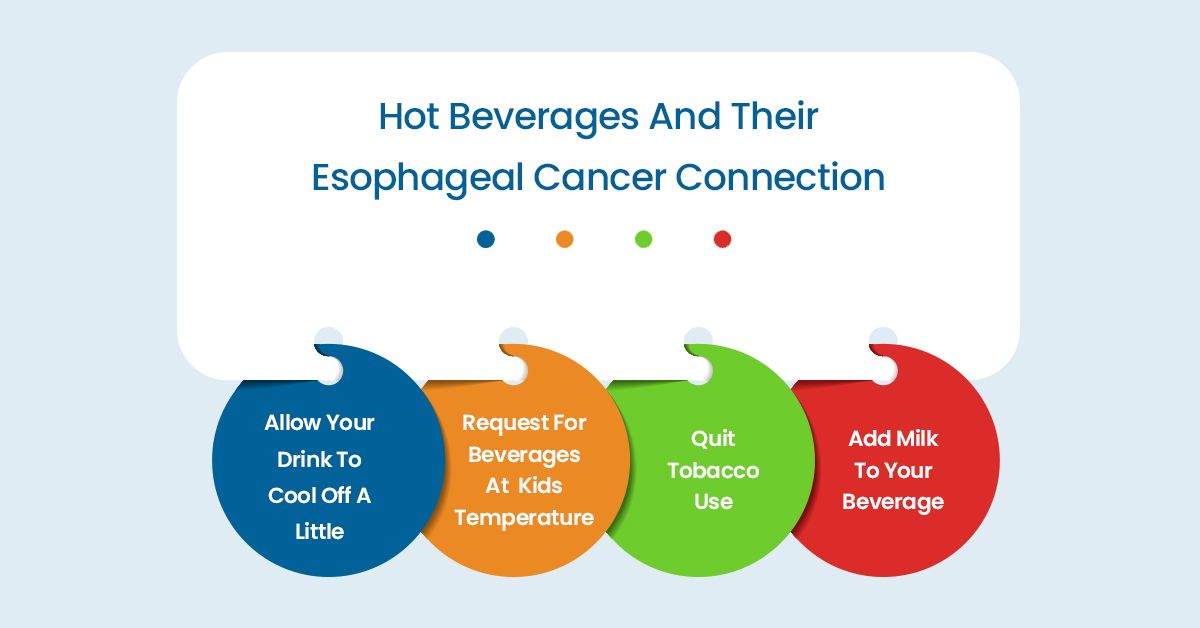
Very Hot Drinks and Esophageal Cancer Risk
Your morning tea should wake you up, not scald tissue on the way down. The concern around very hot drinks and esophageal cancer risk has grown because the issue is ordinary: coffee, tea, mate, cocoa, and soups can all be served hot enough to irritate the esophagus. Healthline recently covered the evidence linking very hot beverages with damage to the esophageal lining, and the key detail is temperature, not the drink itself. The International Agency for Research on Cancer classifies drinks consumed above 65 degrees Celsius, or 149 degrees Fahrenheit, as probably carcinogenic to humans. That sounds alarming. But the practical fix is simple. Let the drink cool, sip slowly, and stop treating pain as proof that your beverage is fresh.
What matters before your next sip
- Temperature is the main issue. The cancer concern is tied to very hot liquid, not coffee or tea as ingredients.
- Above 65 degrees Celsius is the danger zone. That is 149 degrees Fahrenheit, hotter than most people need for taste.
- Repeated burns matter. Ongoing injury to the esophagus may raise risk over time.
- Other risks still count. Smoking, heavy alcohol use, acid reflux, and poor access to care can add to the problem.
- Cooling works. Waiting a few minutes can bring many drinks into a safer range.
What very hot drinks and esophageal cancer risk really means
The esophagus is the tube that carries food and liquid from your mouth to your stomach. It has a delicate lining. If you keep pouring very hot liquid over that lining, cells may be injured, repaired, and injured again.
That repeat cycle is where cancer researchers pay attention. Long-term irritation can create conditions where abnormal cells are more likely to appear. This does not mean one hot latte will cause cancer. It means a daily habit of drinking liquids at scalding temperatures is a risk worth cutting.
The International Agency for Research on Cancer did not label coffee itself as a likely cancer cause. It singled out beverages consumed very hot, especially above 65 degrees Celsius.
This distinction matters. Coffee has been studied for decades, and the evidence does not show that ordinary coffee drinking causes esophageal cancer. The thermal injury is the story. Heat is doing the damage, like an overzealous broiler burning the top of a dish while the ingredients underneath are fine.
How hot is too hot?
So how hot is too hot? The IARC threshold is above 65 degrees Celsius, or 149 degrees Fahrenheit. Many coffee shops serve drinks close to that range or hotter, partly because customers travel with them and expect the drink to stay warm.
At home, freshly boiled water is much hotter than the threshold. Water boils at 100 degrees Celsius, or 212 degrees Fahrenheit, at sea level. Tea poured straight after boiling can stay painfully hot for several minutes, especially in a ceramic mug with a lid.
Heat is the suspect.
Your mouth gives useful feedback, but it is not perfect. If you need tiny guarded sips, or the drink hurts your tongue, throat, or chest, it is too hot. A cheap kitchen thermometer can remove the guesswork (especially if you drink tea or mate every day).
Why the esophagus takes the hit
Your mouth can warn you quickly because it has dense nerve endings and saliva to cool liquid. The esophagus has less protection. Once you swallow, hot liquid can contact the same tissue on its way down, again and again.
Researchers have seen stronger links in places where people traditionally drink tea or mate at very high temperatures, including parts of China, Iran, and South America. Those studies often focus on esophageal squamous cell carcinoma, one of the main forms of esophageal cancer worldwide. The pattern is not proof that heat alone explains every case, but it is consistent enough to change daily habits.
Here is the thing. Cancer risk usually stacks up. Very hot drinks may add risk, while tobacco, alcohol, long-standing reflux, obesity, and certain diets can push risk higher. If you smoke and also drink scalding tea, your esophagus is taking hits from more than one direction.
How to lower very hot drinks and esophageal cancer risk
You do not need to give up tea, coffee, or soup. You need a temperature routine. Think of it like cooling food for a child: the goal is comfort, not coldness.
- Wait before drinking. Let boiled drinks sit for at least 3 to 5 minutes before sipping. Larger mugs may need longer.
- Add cooler liquid. Milk, cold water, or an ice cube can quickly bring the temperature down.
- Use a wider cup. A broad mug cools faster than a narrow travel tumbler.
- Skip the sealed lid at first. Lids trap heat. Leave the drink open for a few minutes before covering it.
- Test with a normal sip. If you have to brace yourself, wait.
A thermometer is the most reliable check. Aim below 65 degrees Celsius, and preferably at a temperature that feels warm rather than sharp. Taste often improves after a short wait too, since extreme heat can flatten flavor.
Who should pay closer attention?
Everyone can benefit from cooling very hot drinks, but some people have more reason to be careful. If you have chronic acid reflux, Barrett’s esophagus, a history of smoking, heavy alcohol use, or regular throat and chest burning after drinks, do not ignore those signals.
Persistent trouble swallowing, unexplained weight loss, vomiting blood, black stools, or pain with swallowing needs medical care. Those symptoms do not mean you have cancer, but they are not symptoms to bargain with. A primary care doctor or gastroenterologist can decide whether testing is needed.
People who drink mate deserve special mention. Traditional mate is often consumed through a metal straw from very hot water, and some studies have linked very hot mate drinking with higher esophageal cancer risk. The safer move is simple: cool the water first and avoid refilling at scalding temperatures.
What the evidence does and does not say
The strongest public health message came from the International Agency for Research on Cancer in 2016. Its working group reviewed human and animal data and classified very hot beverages above 65 degrees Celsius as probably carcinogenic to humans. Healthline’s reporting reflects that same core point.
Still, this is not a reason to panic over every hot drink. Observational studies can be messy because people who drink very hot beverages may also have other risks, such as smoking or alcohol use. Researchers try to adjust for those factors, but real life is not a lab.
My read, after years of covering health claims that outrun the data, is blunt: this one is worth acting on because the fix is low-cost and low-drama. You keep the drink. You lose the burn.
The practical habit to start today
Make cooling part of the ritual. Pour the drink, do something else for a few minutes, then sip. If you use a travel mug, let the drink cool before sealing it, since insulated cups can keep liquid scalding hot for a long time.
You do not need a perfect number every morning. You need a rule you will follow. If it hurts, wait. If it makes you wince, it is too hot. And if your daily drink has been a throat-scorcher for years, changing that habit may be one of the easiest risk cuts you can make.
Sources
This article was medically reviewed and draws from peer-reviewed research and clinical guidelines published by:
- National Institute on Drug Abuse (NIDA)
- Substance Abuse and Mental Health Services Administration (SAMHSA)
- Centers for Disease Control and Prevention (CDC)
- MedlinePlus — U.S. National Library of Medicine
Content is reviewed for medical accuracy by our editorial team. Last reviewed: September 12, 2026.
Medical Disclaimer: This article is for educational purposes only. It is not a substitute for professional medical advice, diagnosis, or treatment. Always consult a qualified healthcare provider before making changes to your treatment plan. If you are experiencing a medical emergency, call 911 immediately. For substance use support, call SAMHSA at 1-800-662-4357 (free, confidential, 24/7).