
Push Harder, Get Healthier: How Vigorous Exercise Cuts Disease Risk
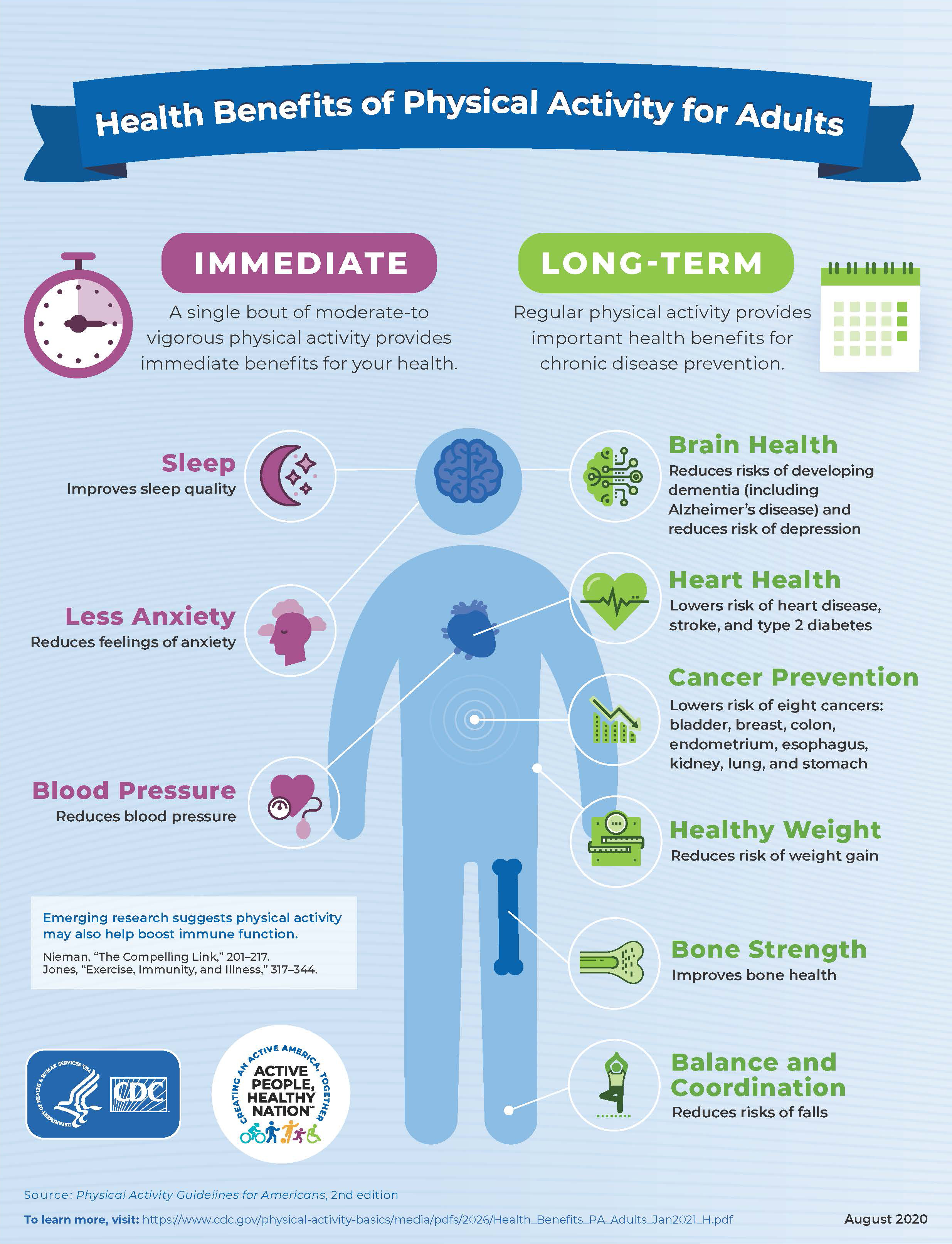
Push Harder, Get Healthier: How Vigorous Exercise Cuts Disease Risk
You want lower odds of heart disease, diabetes, and early mortality, and you want results that justify the time. That is where vigorous exercise disease prevention comes in. New research shows that pushing harder, even for shorter bouts, links to better cardiometabolic markers than gentle activity alone. The timing matters because chronic conditions are climbing and schedules feel tighter than ever. This guide breaks down what “vigorous” really means, how to reach it without burning out, and how to fit it into real life. You will see how intensity compares to duration, what data-backed routines look like, and how to protect your joints while chasing speed.
Fast Facts
- Short bursts of high intensity can rival longer moderate sessions for reducing cardiometabolic risk.
- Heart rate and breathing cues help you hit the right zone without gadgets.
- Weekly totals matter, but intensity spikes move the needle faster.
- Simple warmups and cooldowns cut injury odds when you push harder.
How Vigorous Exercise Disease Prevention Works
Researchers keep finding that higher-intensity intervals improve insulin sensitivity and blood pressure faster than steady walks. The heart adapts like a muscle under heavier load, delivering more oxygen per beat. Think of it like cooking over high heat: quick searing locks in flavor, while slow simmering still has its place.
Definition matters. Vigorous means breathing hard enough that talking is choppy, usually 70 to 85 percent of max heart rate. You should feel taxed but not reckless.
“People who log more vigorous minutes see lower mortality risk even at the same total activity volume,” notes a pooled analysis of large cohorts.
One sentence paragraphs count. Yes.
Intensity vs Duration
Why gamble on long, slow miles if you can win with less time at higher gears? The metabolic payoff per minute climbs when you push. But you need recovery to cash the check. Alternating days of intensity and easy movement keeps the engine humming.
How to Hit Vigorous Exercise Disease Prevention Zones
- Use rate of perceived exertion. Aim for 7 or 8 out of 10. Speech becomes broken.
- Check heart rate. Estimate max as 220 minus age. Target 70 to 85 percent during hard efforts.
- Watch breathing. Quick, deep breaths signal you are in the right band.
- Cap intervals. Start with 30 to 60 second bursts, then rest equal time.
Look, you do not need a lab test to know you are working. Trust your cues, then refine with a smartwatch if you like.
Sample Week to Boost Vigorous Exercise Disease Prevention
Here is a template that respects time and joints (especially if you sit all day):
- Monday: 20 minutes of intervals on a bike, 10 rounds of 40 seconds hard, 40 seconds easy.
- Wednesday: Hill sprints, 10 to 12 runs of 20 seconds up, walk down.
- Friday: Circuit with kettlebell swings, burpees, and jump rope, 15 minutes.
- Daily: Easy walks to aid recovery and keep blood sugar steady.
Notice the spread. Hard days never stack back to back, and easy movement fills the gaps.
Form and Safety
Warm up for five minutes with light cardio and mobility. Cool down with slow breathing and stretching to bring heart rate down. If you feel dizzy or sharp pain, stop. Consistency beats hero workouts.
Who Should Push and Who Should Pause
Most healthy adults can add intensity, but check with a clinician if you have heart history, uncontrolled hypertension, or current injury. Start with brisk walking uphill before sprinting. Parents? Use playground chases. Runners rehabbing knees? Swap in cycling intervals to reduce impact.
Measuring Progress Without Obsession
Track resting heart rate, how quickly it drops after hard bouts, and how many intervals you can hold with steady form. If you shave 10 seconds off a familiar hill or breathe easier at the same pace, that is progress. Gadgets help, yet your own perception remains the best compass.
What happens if you skip a week? Nothing catastrophic. You pick it back up, trim volume, and rebuild. Discipline beats perfection.
Common Mistakes That Blunt Vigorous Exercise Disease Prevention
- Going hard daily and ignoring sleep, which stalls adaptation.
- Skipping technique drills, leading to sloppy movement.
- Fueling with sugary snacks right before intervals, which can upset your stomach.
- Locking into one modality and overloading the same joints.
Applying the Science in Real Life
Busy morning? Do five rounds of jump rope and bodyweight squats before coffee. Traveling? Sprint hotel stairs. Hate running? Row or cycle. The goal is intensity, not punishment. And why not treat it like basketball offense? You alternate fast breaks with set plays, conserving energy for the next drive.
Sources and How to Vet Them
Favor studies that track large cohorts over years, not just eight-week lab tests. Cross-check recommendations from the American Heart Association with sports medicine societies. When a new headline claims “four minutes saves your life,” read the methods before you change your routine.
Where to Go Next
Try two hard sessions this week and log how you feel afterward. Adjust rest based on soreness and sleep. If results plateau, add one more interval per session. Who does not want more capacity for the same time cost?
Sources
This article was medically reviewed and draws from peer-reviewed research and clinical guidelines published by:
- National Institute on Drug Abuse (NIDA)
- Substance Abuse and Mental Health Services Administration (SAMHSA)
- Centers for Disease Control and Prevention (CDC)
- MedlinePlus — U.S. National Library of Medicine
Content is reviewed for medical accuracy by our editorial team. Last reviewed: April 2, 2026.
Medical Disclaimer: This article is for educational purposes only. It is not a substitute for professional medical advice, diagnosis, or treatment. Always consult a qualified healthcare provider before making changes to your treatment plan. If you are experiencing a medical emergency, call 911 immediately. For substance use support, call SAMHSA at 1-800-662-4357 (free, confidential, 24/7).