
Walking vs Strength Training: Why Daily Steps Beat Complicated Routines
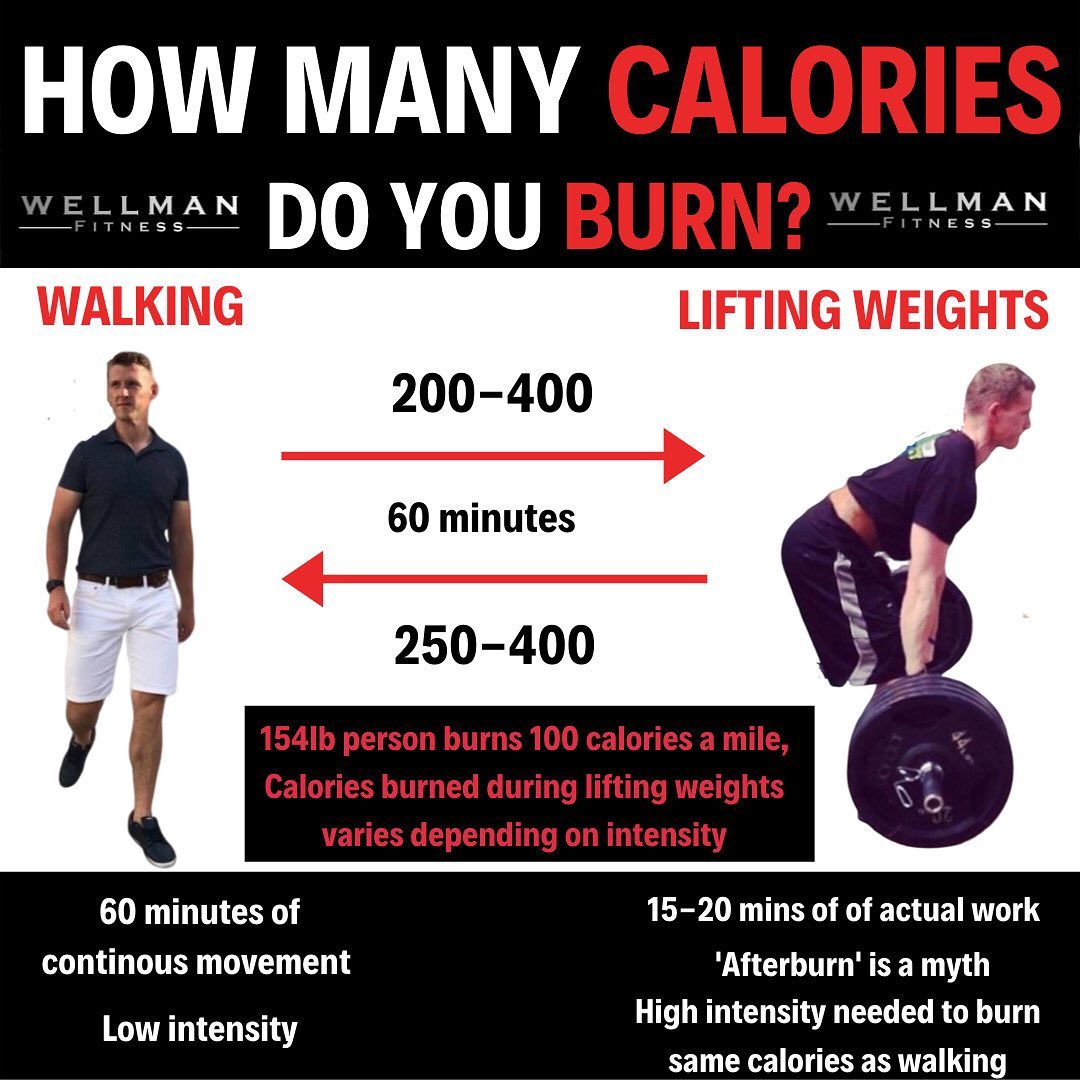
Walking vs Strength Training: Why Daily Steps Beat Complicated Routines
Your calendar is packed, but you still need movement that pays off. New research on walking vs strength training shows brisk daily steps can edge out mixed gym sessions for lowering mortality risk, especially for people without time or gear. The data matters now because chronic disease risk keeps climbing while free time shrinks. If walking more effective than combined strength training sounds too simple, consider how consistent, low-impact activity drives cardiovascular gains you can sustain. And yes, you can layer strength work without drowning in complexity.
Why Walking Wins Right Now
- Brisk walking cuts all-cause mortality as much as some mixed routines, according to recent cohort data.
- Consistency beats intensity for longevity, and walking is the easiest habit to keep.
- Outdoor walking delivers bonus mental health benefits you cannot get from machines alone.
- Minimal injury risk means fewer layoff days and steadier progress.
Walking vs Strength Training: How the Study Frames It
Researchers tracking adults over years found those who hit daily step targets had lower mortality risk than peers juggling sporadic strength-plus-cardio mixes. The surprise is not that movement helps. It is that simple walking outperformed more elaborate routines in real life where adherence drops fast. Think of it like baseball batting practice: daily contact matters more than swinging for the fences once a week.
“A walk you actually take beats the perfect program you skip.”
The study also noted that adding modest strength work amplified benefits when layered on top of a walking base. But the heavy lift remains getting out the door.
Build a Practical Plan
- Set a baseline: 7,000 to 10,000 brisk steps most days. Use any tracker; consistency is the metric.
- Tag on strength twice a week. Bodyweight moves like squats and pushups keep it simple (and cheap).
- Use terrain: hills add natural resistance without formal weights.
- Stack habits: walk after meals to blunt glucose spikes and improve sleep quality.
- Protect joints with good shoes and a soft surface when possible.
I have covered fitness tech for years, and the pattern is clear. Programs that respect real life win. One single-sentence paragraph sits here.
Advanced Tweaks Without Gym Overwhelm
Want more muscle without losing the walking advantage? Alternate fast and easy segments during a 30-minute walk to mimic interval training. Carry light dumbbells on shorter routes once a week to add load without dedicating a separate session. And if you like gadgets, cadence alerts on a smartwatch keep pace around 100 to 120 steps per minute, a sweet spot for cardiovascular benefit.
Walking vs Strength Training in Headings for SEO
Pairing walking vs strength training within your weekly plan does not have to be a binary choice. Use walking as your anchor, then sprinkle strength moves like seasoning in a soup. This mix keeps effort sustainable while raising functional capacity for daily tasks.
Who Should Prioritize Steps
Anyone returning from injury, managing weight, or fighting burnout should lead with walking. It is low cost, low friction, and easy to recover from. Parents pushing strollers, remote workers pacing on calls, and older adults aiming for bone health all benefit from steady steps before any barbell work.
Who Needs More Strength
If your goal is raw power or specific sports performance, walking alone will not cut it. Add progressive resistance in short blocks, but keep daily walks to maintain cardiovascular health and mood stability.
What happens if you miss a day? Nothing catastrophic. Just resume. Consistency over months, not perfection each week, drives the longevity gains the study tracks.
What to Watch for Long Term
Track how you feel, not just step counts. Energy, sleep, and mood are leading indicators that the balance is right. If joints ache, swap concrete for trails. If boredom creeps in, change routes or invite a friend. Like adjusting spice in a recipe, small tweaks keep the habit alive.
Ending thought: choose the routine you can repeat next month. Longevity is a marathon disguised as a walk.
Sources
This article was medically reviewed and draws from peer-reviewed research and clinical guidelines published by:
- National Institute on Drug Abuse (NIDA)
- Substance Abuse and Mental Health Services Administration (SAMHSA)
- Centers for Disease Control and Prevention (CDC)
- MedlinePlus — U.S. National Library of Medicine
Content is reviewed for medical accuracy by our editorial team. Last reviewed: April 3, 2026.
Medical Disclaimer: This article is for educational purposes only. It is not a substitute for professional medical advice, diagnosis, or treatment. Always consult a qualified healthcare provider before making changes to your treatment plan. If you are experiencing a medical emergency, call 911 immediately. For substance use support, call SAMHSA at 1-800-662-4357 (free, confidential, 24/7).