
Washington Opioid Trial: What the Albertsons Case Means
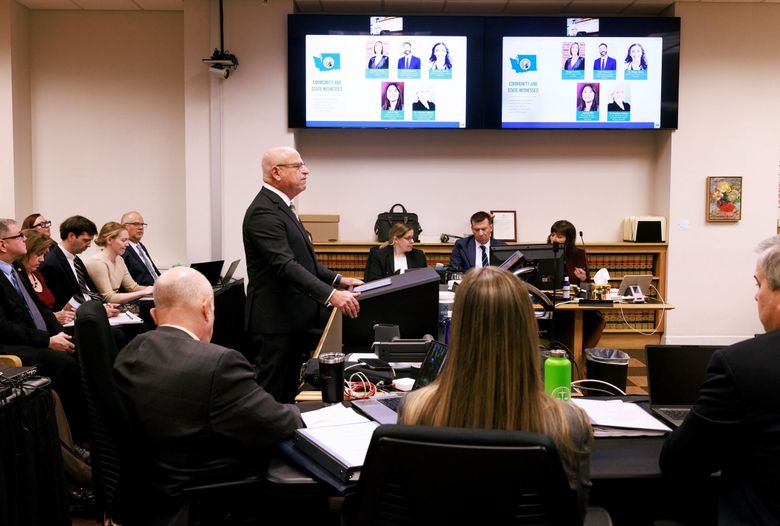
Washington Opioid Trial: What the Albertsons Case Means
If you are trying to understand the Washington opioid trial, the Albertsons case is about more than one company in one state court. It asks a hard question: what duty do pharmacies have when they fill large volumes of opioid prescriptions that may be driving harm? That matters now because opioid litigation keeps shaping how pharmacies, doctors, and health systems handle risk. It also matters for families who want answers after years of loss. The legal details can get dense fast, but the basic issue is plain. Did the company spot warning signs and act on them, or did it keep the pills moving anyway?
Look, this is not just courtroom theater. Cases like this can influence compliance rules, prescription monitoring, and how quickly red flags get escalated inside pharmacy chains. And if you work in health care, policy, or recovery support, the outcome can affect the rules you live with every day.
What stands out in the Washington opioid trial
- The core dispute is oversight. The trial centers on whether pharmacy systems caught suspicious opioid dispensing patterns and responded fast enough.
- Albertsons is not just a grocery name here. Its pharmacy operations are part of the legal picture, which is why the case has drawn close attention.
- The case fits a wider pattern. States and local governments have kept pressing opioid lawsuits to test how much responsibility retail pharmacies bear.
- It could shape future compliance. Pharmacy chains may face more pressure to tighten controls on prescription review and reporting.
- The human cost sits behind the legal fight. These trials are about overdose deaths, addiction, and the damage that follows families for years.
Why the Washington opioid trial matters beyond one company
The Washington opioid trial lands at the intersection of public health and corporate accountability. That mix can feel abstract until you put it in plain terms. If a pharmacy fills prescriptions that fit an obvious pattern of misuse, who is supposed to stop it? The prescriber, the pharmacist, the chain, the regulators, or all of them?
That question is one reason opioid litigation has stayed so active. National reporting from places like the CDC and the National Institute on Drug Abuse has shown how prescription opioids helped fuel addiction and overdose risk, especially when high doses or long-term use were involved. Courts are trying to sort out who had the power to intervene and who looked away.
This is a systems case, not a single bad-apple case. The law often turns on records, alerts, and internal policies. Did the pharmacy track patterns across locations? Did it flag unusually high volumes? Did it send concerns up the chain?
Pharmacy oversight can work like airport security. One checkpoint is not enough. You need a process that catches patterns before they become a disaster.
How pharmacy oversight becomes a legal issue
Pharmacies are supposed to do more than count pills. They also review prescriptions for obvious problems, check for unsafe combinations, and look for warning signs of diversion or misuse. That includes repeated fills, high doses, doctor shopping, and other patterns that should raise a flag.
And here is the tricky part. A pharmacist usually sees only one piece of the picture. But large chains can compare data across stores, which makes their obligations more serious. If one store sees a pattern, the home office may see a trend.
What lawyers and regulators tend to look for
- Volume patterns. Are certain opioid prescriptions far above normal levels for a location or patient group?
- Red flags. Are doses, refill timing, or combinations unusual enough to demand review?
- Escalation steps. Did the pharmacy pause, investigate, or contact prescribers when needed?
- Training and policy. Were staff trained to spot misuse patterns, or left to guess?
- Documentation. Can the company show what it knew and when it knew it?
Think of it like a restaurant kitchen. One bad dish can slip out. But if the line keeps sending out undercooked food and nobody checks the oven, the problem is no longer random. The process is broken.
What this means for people affected by opioids
For families and people in recovery, lawsuits like this can feel distant. They are not. These cases can produce settlement money, policy changes, and a public record of what happened. They can also force companies to answer questions they avoided for years.
But court wins do not fix everything. A verdict can support treatment funding, prevention programs, or local response efforts. It cannot replace lost time, lost health, or lost lives. That gap is why the trial draws so much attention.
People often ask whether these cases really change anything. Sometimes they do, sometimes they do not. The better question is whether they make the next system less careless.
What to watch next in the Washington opioid trial
The next signals usually come from evidence about internal controls, witness testimony, and how the company explains its pharmacy practices. If documents show repeated warnings that were ignored, that can matter more than any public statement made after the fact. If the defense can show strong monitoring and quick action, the picture changes.
For readers tracking opioid accountability, the bigger story is still unfolding. Court records, state enforcement, and pharmacy policy changes will keep shaping the landscape. The real test is simple. Will pharmacy chains treat opioid risk as a serious compliance duty, or wait for the next lawsuit to teach the lesson?
Where the fight goes from here
The Washington opioid trial could help set the tone for later cases against pharmacy operators. That means more scrutiny on how prescriptions are reviewed, how red flags are documented, and how corporate offices respond when local stores see trouble. If you are watching for the next shift, keep your eye on the policies, not just the headlines.
That is where the pressure will land next.
Sources
This article was medically reviewed and draws from peer-reviewed research and clinical guidelines published by:
- National Institute on Drug Abuse (NIDA)
- Substance Abuse and Mental Health Services Administration (SAMHSA)
- Centers for Disease Control and Prevention (CDC)
- MedlinePlus — U.S. National Library of Medicine
Content is reviewed for medical accuracy by our editorial team. Last reviewed: July 15, 2026.
Medical Disclaimer: This article is for educational purposes only. It is not a substitute for professional medical advice, diagnosis, or treatment. Always consult a qualified healthcare provider before making changes to your treatment plan. If you are experiencing a medical emergency, call 911 immediately. For substance use support, call SAMHSA at 1-800-662-4357 (free, confidential, 24/7).