
Young Adults, Faster Aging, and Early-Onset Cancer
Young Adults, Faster Aging, and Early-Onset Cancer
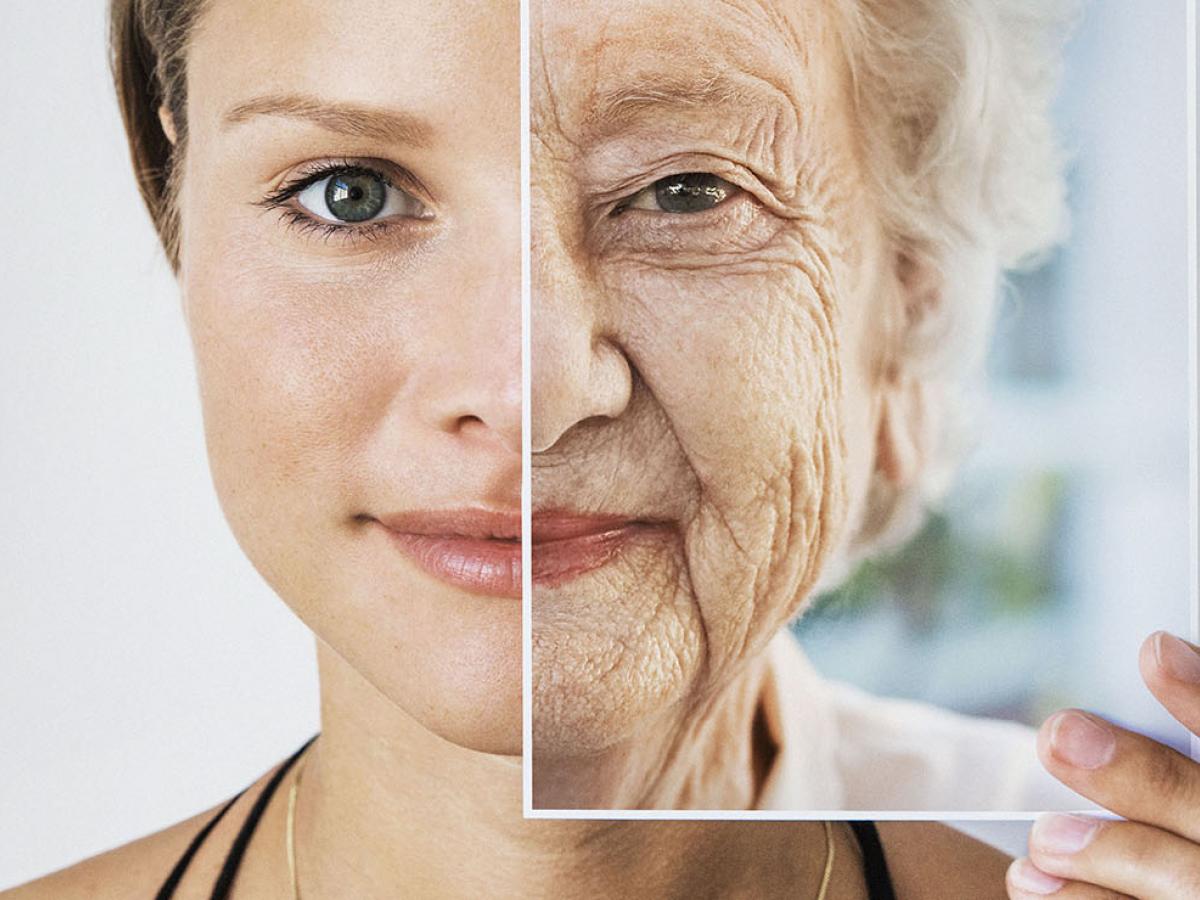
Young adults are hearing more about cancer risk earlier in life, and that shift feels unsettling for a reason. The concern is not only the number of diagnoses. It is also the growing idea that faster aging may be tied to earlier disease, including some cancers that used to appear later in life. That matters now because people in their 20s, 30s, and 40s are trying to make sense of mixed signals. They feel fine. Their calendar is packed. And yet the biology may not be as quiet as it looks on the outside.
Researchers are asking harder questions about inflammation, metabolism, sleep, stress, and environment. Doctors are, too. Why are some younger adults showing up with cancers that once looked rare in this age group? The answer is still unfolding, but the pattern is too stubborn to ignore. You do not need panic. You need a sharper read on the warning signs, the risk factors, and the habits that can lower your odds.
What stands out about faster aging
- Biological age can move differently from calendar age.
- Early-onset cancers are getting more attention in colon, breast, pancreas, and other sites.
- Researchers are studying inflammation, obesity, sleep loss, alcohol, and pollution as possible contributors.
- Family history still matters, but it is not the only factor.
- Screening rules may miss younger people, so symptoms deserve attention.
Why faster aging and cancer risk are being linked
Biological aging is not a buzz phrase. It refers to how your cells and systems function, not just how many birthdays you have had. In studies of aging, markers such as DNA damage, immune decline, and chronic inflammation can suggest that the body is aging faster than expected.
That matters because cancer is, at its core, a disease of accumulated cellular errors. More damage over time can mean more chances for those errors to take hold. Think of it like a building with a weak inspection record. The structure may look fine from the street, but the hidden wear tells the real story.
The key idea is simple: a younger age does not always mean younger biology.
What is driving early-onset cancer rates?
No single cause explains the rise. That is the frustrating part. Researchers point to a cluster of pressures that can stack up over years, including excess body fat, poor sleep, diet quality, alcohol use, physical inactivity, and long-term stress. Exposure to air pollution and certain chemicals may also play a role, depending on where you live and work.
Some of these risks are familiar. Others are less obvious. Metabolic changes linked to obesity, for example, can increase inflammation and insulin resistance, both of which may affect cancer risk. Alcohol is another clear one. Even modest regular drinking has been tied to higher risk for several cancers, according to the National Cancer Institute.
And then there is the screening gap. Many standard screening schedules begin at 45 or 50 for average-risk adults. That can leave younger people outside the net until symptoms become hard to dismiss. Not ideal.
Which symptoms should you not brush off?
If you are younger than the usual screening age, symptoms matter even more. Persistent rectal bleeding, a lasting change in bowel habits, unexplained weight loss, a lump that grows, unusual fatigue, or ongoing pain should not be written off as stress or bad sleep.
One symptom on its own does not mean cancer. But patterns do count. If something stays put for more than a few weeks, or keeps coming back, ask for an evaluation. What would you want if the roles were reversed?
- Track the symptom and note when it started.
- Write down what makes it better or worse.
- Bring family history, even if it seems incomplete.
- Ask whether testing, imaging, or specialist referral makes sense.
What you can do now to lower risk
You cannot control every factor behind early-onset cancer. You can still reduce a lot of the noise. The strongest moves are boring, which is exactly why they work.
Start with the basics: keep alcohol low, move your body regularly, and get enough sleep. If you smoke, quitting is one of the highest-value steps you can take. If your diet is heavy on ultra-processed foods, shift toward more fiber, beans, vegetables, fruit, and whole grains. That is not a wellness slogan. It is a practical way to support metabolic health.
Screening also matters, especially if you have a family history of colon cancer, breast cancer, ovarian cancer, or a known inherited mutation such as BRCA1 or BRCA2. Ask your clinician whether your risk profile calls for earlier testing. Guidelines are for averages. Your body is not average.
Habits that deserve your attention
- Keep a steady sleep schedule.
- Get routine movement into your week.
- Limit alcohol, especially frequent use.
- Do not ignore new or persistent symptoms.
- Review your family history with a clinician.
Why this conversation is changing screening
Public health agencies and specialty groups keep adjusting screening recommendations as younger cases pile up. The American Cancer Society, for example, lowered the recommended starting age for average-risk colorectal cancer screening to 45. That change reflects a real shift in the data.
But screening is still only part of the picture. Better awareness helps clinicians catch the outliers. Better risk assessment helps decide who needs earlier testing. And better research may eventually show which exposures matter most. For now, the job is to avoid complacency.
If you are under 45 and something feels off, ask sooner.
A sharper way to think about your risk
The old model assumed cancer was mostly a disease of aging into later life. That model is getting poked from several directions. Younger adults are seeing more early-onset cases, and researchers are looking at whether some people are aging faster at the cellular level than their age suggests.
The smart move is not to fear every headline. It is to use the signal inside it. Pay attention to your body. Know your family history. Take screening seriously when it applies. And if your habits have drifted in the wrong direction, fix the easy stuff first. What you do this year may matter more than you think.
Sources
This article was medically reviewed and draws from peer-reviewed research and clinical guidelines published by:
- National Institute on Drug Abuse (NIDA)
- Substance Abuse and Mental Health Services Administration (SAMHSA)
- Centers for Disease Control and Prevention (CDC)
- MedlinePlus — U.S. National Library of Medicine
Content is reviewed for medical accuracy by our editorial team. Last reviewed: July 5, 2026.
Medical Disclaimer: This article is for educational purposes only. It is not a substitute for professional medical advice, diagnosis, or treatment. Always consult a qualified healthcare provider before making changes to your treatment plan. If you are experiencing a medical emergency, call 911 immediately. For substance use support, call SAMHSA at 1-800-662-4357 (free, confidential, 24/7).