
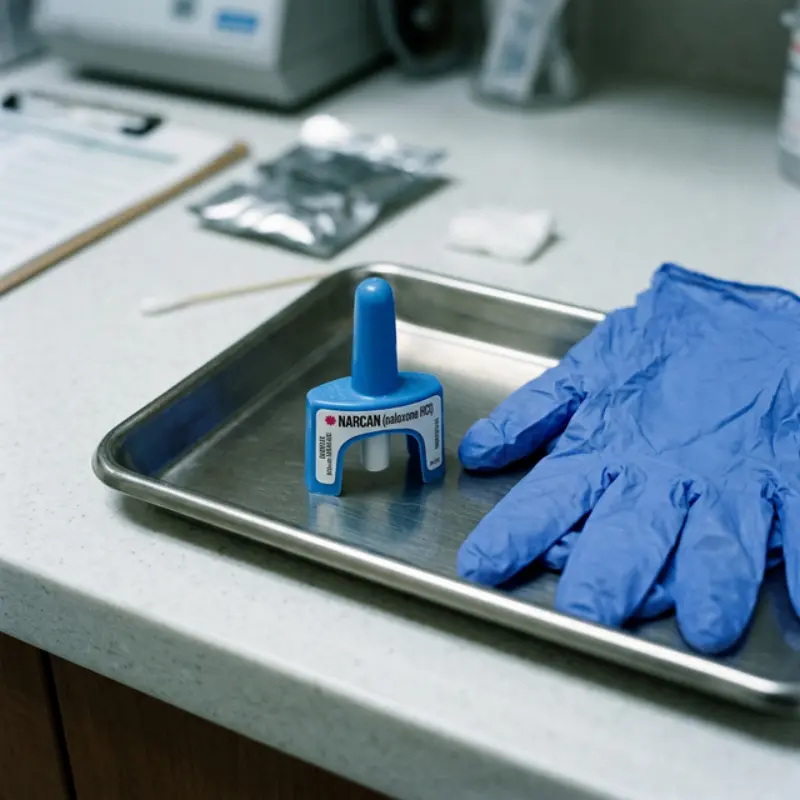
Understanding Fentanyl: Dangers, Effects, and Recovery Options
Fentanyl is one of the most potent synthetic opioids. Learn about its dangers, side effects, and the path to recovery.
MD, FASAM — Medical Director & Chief Medical Reviewer
Dr. Sarah Mitchell is a board-certified addiction medicine specialist with over 15 years of clinical experience treating substance use disorders. She serves as Medical Director and Chief Medical Reviewer at Clean & Recovery, where she oversees the medical accuracy of all published content.
Dr. Mitchell completed her medical degree at Johns Hopkins University School of Medicine and her residency in Internal Medicine at Massachusetts General Hospital. She holds board certifications in both Internal Medicine and Addiction Medicine, and is a Fellow of the American Society of Addiction Medicine (FASAM).
Her clinical focus areas include opioid use disorder, medication-assisted treatment (MAT), withdrawal management, and co-occurring mental health conditions. She has treated thousands of patients across inpatient, outpatient, and emergency settings.
As Chief Medical Reviewer, Dr. Mitchell reviews every article published on Clean & Recovery for medical accuracy, clinical relevance, and adherence to current evidence-based guidelines. She ensures all content meets the standards outlined in our editorial process.
Fentanyl is one of the most potent synthetic opioids. Learn about its dangers, side effects, and the path to recovery.

Knowing the signs of an overdose can save a life. Learn how to recognize and respond to drug overdose emergencies.

Medical detox is often the first step in recovery. Learn what happens at a detox center and how to prepare.
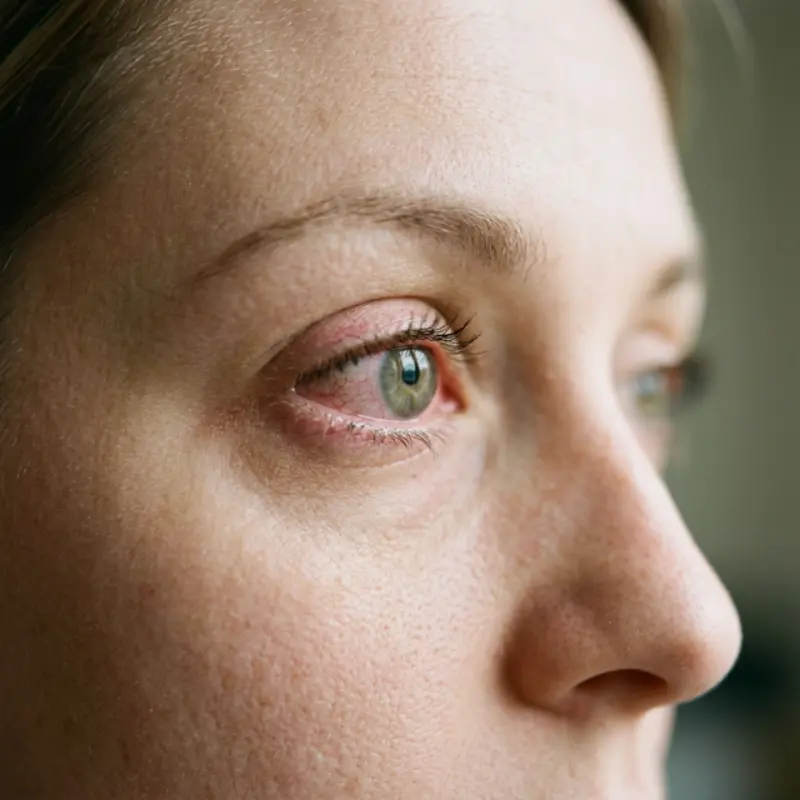
Glassy eyes can be a sign of substance use or other medical conditions. Learn what causes them and when to seek help.

From CBT to motivational interviewing, explore the most effective therapy approaches for addiction recovery.

Drug addiction is a complex brain disorder. Learn about the causes, warning signs, and effective treatment approaches.