
Glassy Eyes: What They Mean and When to Worry
What Are Glassy Eyes?
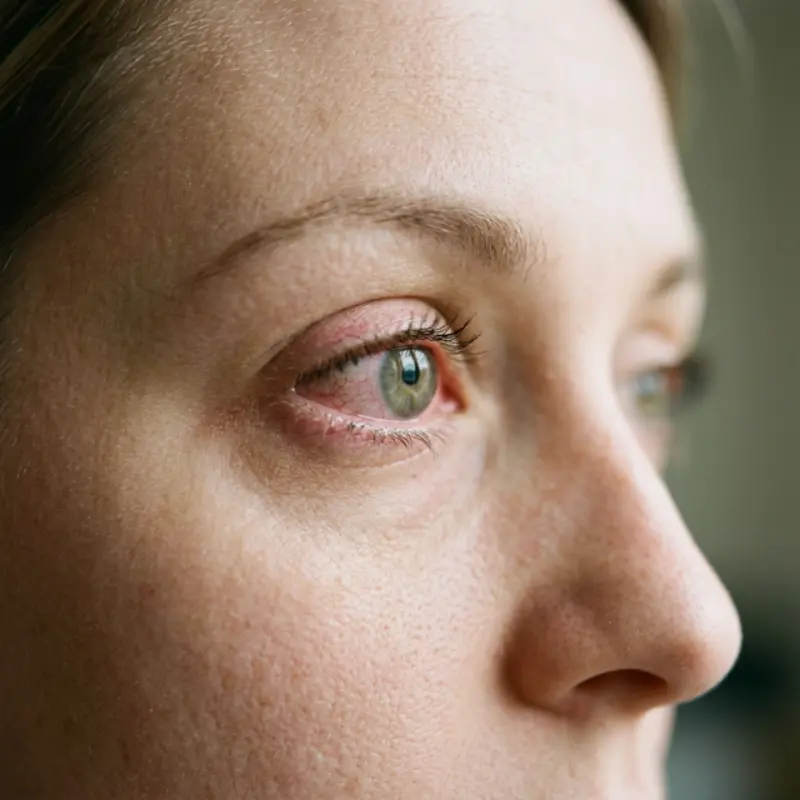
Glassy eyes appear shiny, unfocused, and wet, as if covered by a thin film. The medical term for this appearance is "lacrimation" when caused by excessive tear production, or "mydriasis" when caused by pupil changes that alter light reflection. Glassy eyes are one of the most recognizable visual signs of substance intoxication.
While glassy eyes have many possible causes, their sudden appearance combined with behavioral changes often signals drug or alcohol use. Understanding the different causes helps you distinguish between medical conditions and substance-related impairment.
Key Facts About Glassy Eyes
- Glassy eyes are one of the most common visual indicators of intoxication
- Multiple substances cause glassy eyes through different mechanisms (tear production, pupil changes, blood vessel dilation)
- Medical conditions, medications, and fatigue can also produce glassy-eyed appearance
- Context matters: glassy eyes combined with behavioral changes are a stronger indicator of substance use than glassy eyes alone
Substances That Cause Glassy Eyes
Alcohol
Alcohol is the most common cause of glassy eyes. Alcohol dilates blood vessels in the eyes, relaxes eye muscles, and impairs the normal blinking reflex. This creates a distinctive wet, unfocused appearance. Additional alcohol-related eye signs include:
- Bloodshot or red eyes from blood vessel dilation
- Drooping eyelids from muscle relaxation
- Difficulty tracking moving objects
- Slow pupil response to light changes
Marijuana (Cannabis)
Cannabis causes glassy, red eyes by dilating blood vessels in the conjunctiva (the membrane covering the white of the eye). THC lowers blood pressure, causing blood vessels in the eyes to expand and fill with blood. Signs include:
- Red, bloodshot appearance combined with a glassy sheen
- Slightly drooping eyelids (ptosis)
- Dilated or normal-sized pupils
- These effects appear regardless of how cannabis is consumed (smoking, eating, or vaping)
Opioids
Opioids (heroin, fentanyl, oxycodone, morphine) produce glassy eyes through central nervous system depression. The eyes appear glazed and distant. Characteristic opioid eye signs include:
- Pinpoint pupils (miosis): the most distinctive opioid-related eye sign
- Drooping or half-closed eyelids
- Unfocused, faraway gaze
- Slow or absent blinking
"Changes in pupil size and eye appearance are among the most reliable physical indicators of substance intoxication. Pinpoint pupils combined with glassy eyes strongly suggest opioid use." - American Academy of Ophthalmology
MDMA (Ecstasy/Molly)
MDMA causes distinctive eye effects through serotonin flooding:
- Widely dilated pupils creating a glassy, dark-eyed appearance
- Rapid, involuntary eye movements (nystagmus)
- Watery, shiny eyes from increased tear production
- Eyes that appear unusually bright or "sparkling"
Hallucinogens (LSD, Psilocybin, DMT)
Psychedelic substances cause pronounced pupil dilation that creates a wide-eyed, glassy appearance:
- Significantly dilated pupils that dominate the eye
- Distant, unfocused gaze
- Eyes may appear to look "through" rather than "at" objects
- Duration of effect varies: LSD (8 to 12 hours), psilocybin (4 to 6 hours)
Stimulants (Cocaine, Methamphetamine)
Stimulants cause glassy eyes through pupil dilation and decreased blinking:
- Dilated pupils
- Wide-eyed, alert appearance
- Rapid eye movements
- Reduced blinking leading to a dry, glassy sheen
Non-Drug Causes of Glassy Eyes
Glassy eyes are not always caused by substance use. Medical and environmental causes include:
Eye Conditions
- Dry eye syndrome: paradoxically, dry eyes can trigger excessive tear production as a reflex, creating a watery, glassy appearance
- Allergies: histamine release causes watery, itchy, glassy-looking eyes
- Conjunctivitis (pink eye): infection or inflammation creates a wet, shiny appearance
- Eye strain: prolonged screen use can make eyes appear glassy and fatigued
Medical Conditions
- Hypoglycemia (low blood sugar): the eyes can appear glazed and unfocused
- Dehydration: can cause an unusual sheen or sunken, glassy appearance
- Thyroid conditions: Graves' disease causes protruding, watery eyes
- Fever: high body temperature often produces glassy, bright eyes
Other Causes
- Fatigue and sleep deprivation: tired eyes often appear red, watery, and glassy
- Crying: recent tears leave eyes red and glassy
- Certain medications: antihistamines, anticholinergics, and some antidepressants can cause glassy eyes as a side effect
How to Identify Substance-Related Glassy Eyes
Glassy eyes alone do not confirm substance use. Look for accompanying signs:
- Behavioral changes: slurred speech, unusual euphoria, drowsiness, agitation, or impaired coordination
- Pupil size: pinpoint pupils suggest opioids. Dilated pupils suggest stimulants, MDMA, or hallucinogens.
- Timing and pattern: glassy eyes that appear suddenly, at unusual times, or in a pattern (every weekend, after social events) are more concerning
- Other physical signs: flushed skin, tremors, sweating, unusual body odor, or marks on the body
- Context: the person's behavior, environment, and social circle provide important context
When to Be Concerned
Glassy eyes warrant concern when accompanied by:
- Unexplained changes in behavior, mood, or academic/work performance
- Withdrawal from family and friends
- Missing money, valuables, or prescription medications
- Secretive behavior or lying about whereabouts
- Physical signs of drug use (track marks, frequent nosebleeds, burnt fingertips, paraphernalia)
- Declining personal hygiene
How to Approach Someone You Are Concerned About
- Choose a private, calm moment when the person is sober
- Express concern without judgment or accusation ("I noticed your eyes looked different lately and I am worried about you")
- Listen more than you speak
- Avoid confrontation, ultimatums, or shaming
- Offer support and resources rather than demands
- If the person is a minor, involve a trusted adult, school counselor, or pediatrician
Professional Assessment
If you suspect substance use, a professional assessment provides clarity:
- Primary care physician: can perform a physical exam and drug screening
- Addiction specialist: conducts a formal substance use assessment
- SAMHSA National Helpline (1-800-662-4357): free, confidential referrals to local assessment and treatment resources, 24/7
When Glassy Eyes Signal an Emergency
Call 911 immediately if glassy eyes are accompanied by:
- Slow, shallow, or stopped breathing
- Blue lips or fingertips
- Unresponsiveness or inability to be woken
- Seizures
- Severe confusion or disorientation
These signs may indicate an overdose requiring immediate medical attention. If naloxone (Narcan) is available and you suspect an opioid overdose, administer it while waiting for emergency services.
Sources
This article was medically reviewed and draws from peer-reviewed research and clinical guidelines published by:
- National Institute on Drug Abuse (NIDA)
- Substance Abuse and Mental Health Services Administration (SAMHSA)
- Centers for Disease Control and Prevention (CDC)
- MedlinePlus — U.S. National Library of Medicine
Content is reviewed for medical accuracy by our editorial team. Last reviewed: November 28, 2025.
Medical Disclaimer: This article is for educational purposes only. It is not a substitute for professional medical advice, diagnosis, or treatment. Always consult a qualified healthcare provider before making changes to your treatment plan. If you are experiencing a medical emergency, call 911 immediately. For substance use support, call SAMHSA at 1-800-662-4357 (free, confidential, 24/7).
Related Articles
Dilated Pupils: Causes and What They Indicate
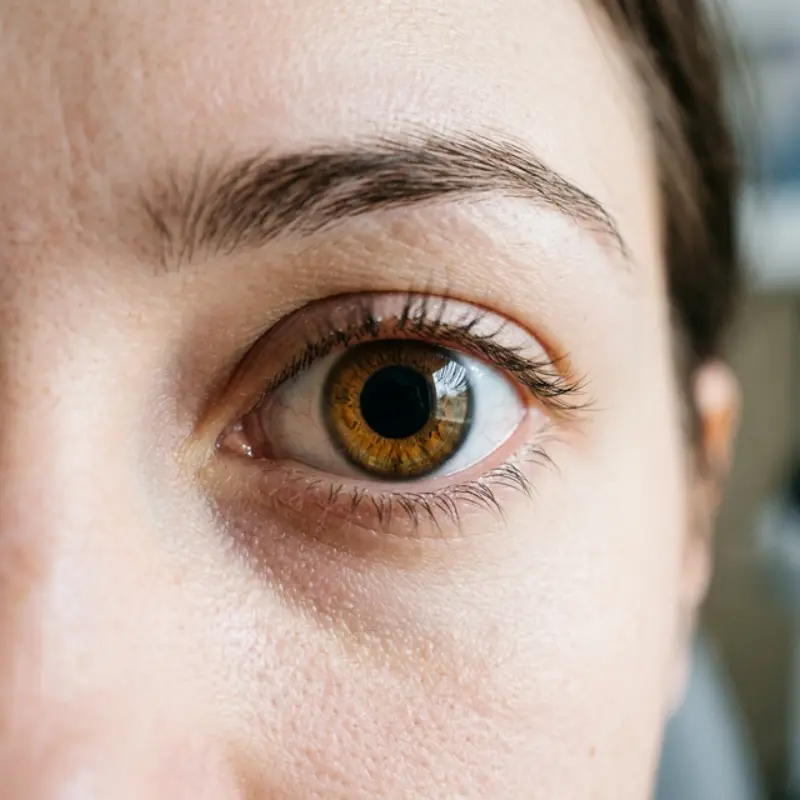
Dilated pupils can be a telltale sign of drug use. Learn which substances cause this symptom and what to look for.

Slurred Speech: Identifying Substance Impairment
Slurred speech is a common indicator of substance impairment. Learn which substances cause it and when to be concerned.

Recognizing Overdose Signs: What You Need to Know
Knowing the signs of an overdose can save a life. Learn how to recognize and respond to drug overdose emergencies.