
Dilated Pupils: Causes and What They Indicate
What Are Dilated Pupils?
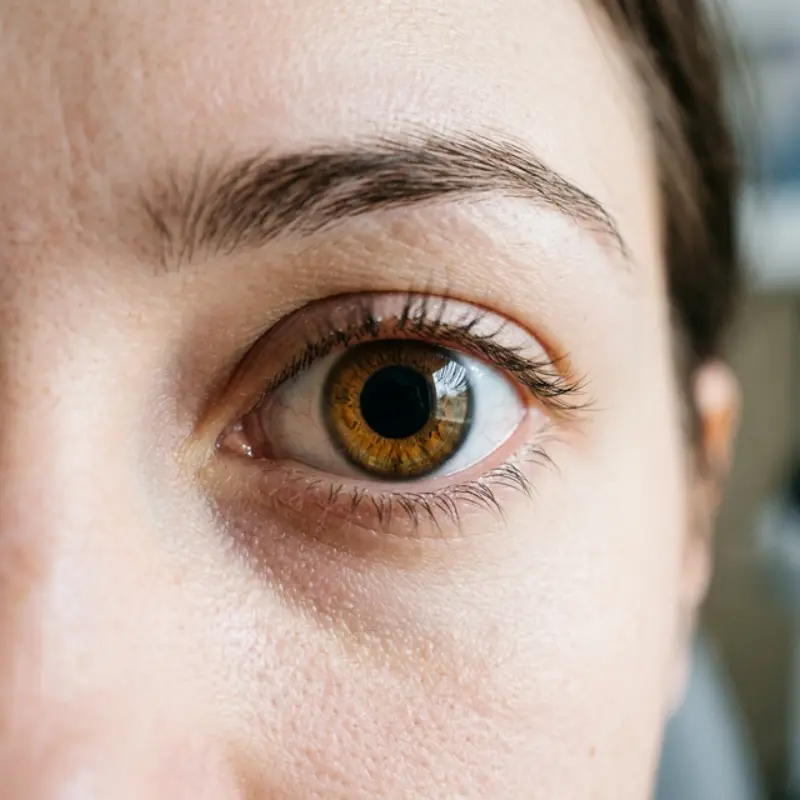
Dilated pupils (mydriasis) occur when the dark center of the eye expands larger than normal. In typical lighting conditions, pupils are 2 to 4 millimeters in diameter. Dilated pupils can expand to 4 to 8 millimeters or more, making the eyes appear noticeably dark.
Pupils naturally dilate in dim lighting to allow more light into the eye. However, when pupils remain dilated in normal or bright lighting, it often signals that something is affecting the nervous system. Substance use is one of the most common causes of abnormal pupil dilation.
Key Facts About Dilated Pupils
- Dilated pupils are one of the most reliable physical signs of stimulant or hallucinogen use
- Normal pupil size is 2 to 4 mm in regular lighting. Pupils dilated beyond 6 mm in normal light are considered abnormally large.
- Drugs cause pupil dilation by affecting the sympathetic nervous system (fight-or-flight response) or by blocking parasympathetic nerve signals
- Pupil dilation from drug use typically lasts the duration of the drug's effects, from 30 minutes to 12+ hours depending on the substance
"Pupil examination remains one of the most useful clinical tools for identifying substance intoxication. The combination of pupil size, reactivity, and accompanying symptoms provides strong diagnostic clues." - American College of Emergency Physicians
Substances That Cause Dilated Pupils
Cocaine
Cocaine blocks dopamine and norepinephrine reuptake, triggering intense sympathetic nervous system activation. Pupil dilation from cocaine:
- Appears within minutes of use
- Lasts 15 to 30 minutes when snorted, 5 to 10 minutes when smoked (crack)
- Accompanied by elevated heart rate, hyperalertness, and euphoria
- The more cocaine used, the more pronounced the dilation
MDMA (Ecstasy/Molly)
MDMA produces some of the most dramatic pupil dilation of any drug. Effects include:
- Extremely dilated pupils, often the most noticeable sign of MDMA use
- Pupils may occupy most of the visible iris
- Dilation begins 30 to 60 minutes after ingestion and lasts 4 to 6 hours
- Accompanied by jaw clenching, sweating, and tactile sensitivity
LSD and Psychedelics
Hallucinogens cause prolonged, pronounced pupil dilation:
- LSD: pupil dilation lasting 8 to 12 hours, the entire duration of the trip
- Psilocybin (mushrooms): dilation lasting 4 to 6 hours
- DMT: dilation lasting 15 to 45 minutes (smoked) or 4 to 6 hours (ayahuasca)
- Mescaline: dilation lasting 8 to 12 hours
Methamphetamine
Methamphetamine causes strong sympathetic nervous system activation and prolonged pupil dilation:
- Dilation can last 8 to 24 hours depending on the dose
- Accompanied by rapid speech, hyperactivity, decreased appetite, and intense focus
- Chronic use may cause the pupils to remain somewhat dilated even between uses
Amphetamines (Adderall, Dexedrine)
Prescription amphetamines cause pupil dilation through the same mechanism as methamphetamine, though typically less pronounced:
- Dilation is dose-dependent: higher doses cause more noticeable dilation
- Taking more than the prescribed dose produces obvious pupil changes
- Dilation lasts 4 to 6 hours with immediate-release formulations
Cannabis
Cannabis can cause mild pupil dilation in some users, though the effect varies:
- THC's effect on pupils is less consistent than stimulants or hallucinogens
- More commonly associated with red, bloodshot eyes than visible dilation
- Higher-potency products may produce more noticeable dilation
How Drugs Cause Pupil Dilation
Two mechanisms cause drug-related pupil dilation:
Sympathetic Activation
Stimulants activate the sympathetic nervous system (fight-or-flight response), which triggers the dilator pupillae muscle to contract and widen the pupil. This is the same mechanism that causes pupils to dilate during fear or excitement.
Parasympathetic Blockade
Some substances block the parasympathetic nervous system, which normally constricts pupils. When parasympathetic signals are blocked, the pupil cannot constrict normally and remains dilated.
Non-Drug Causes of Dilated Pupils
Medical Causes
- Head injury or concussion: unequal pupil dilation (one pupil larger than the other) after head trauma is a medical emergency
- Neurological conditions: brain tumors, aneurysms, and certain neurological diseases can affect pupil size
- Adie's tonic pupil: a benign condition where one pupil responds slowly to light
- Eye trauma: direct injury to the eye can cause the pupil to become fixed and dilated
Medication Side Effects
- Antihistamines (diphenhydramine, cetirizine)
- Decongestants (pseudoephedrine)
- Anticholinergic medications (atropine, scopolamine)
- Some antidepressants (tricyclics, certain SSRIs at high doses)
- Anti-nausea medications
- Muscle relaxants
Natural Causes
- Low light: normal physiological response
- Emotional arousal: fear, excitement, anger, and attraction cause mild dilation
- Pain: acute pain triggers sympathetic response and pupil dilation
- Physical exertion: intense exercise can temporarily dilate pupils
- Age: younger people tend to have larger resting pupil sizes
How to Check for Dilated Pupils
- Observe the person's eyes in normal indoor lighting (not dim or overly bright)
- Compare pupil size between both eyes. Both should be roughly equal.
- Shine a penlight or phone flashlight at the eyes from a few inches away. Normal pupils constrict (shrink) quickly in response to light. Drug-dilated pupils respond sluggishly or not at all.
- Note the proportion of pupil to iris. If the dark pupil appears to fill most of the colored iris, dilation is significant.
Dilated Pupils vs. Constricted Pupils
The direction of pupil change provides important clues about which substance category is involved:
- Dilated pupils (mydriasis): stimulants (cocaine, methamphetamine, amphetamines), hallucinogens (LSD, mushrooms), MDMA
- Constricted/pinpoint pupils (miosis): opioids (heroin, fentanyl, oxycodone, morphine)
- Normal-sized pupils: cannabis, alcohol, benzodiazepines (though other signs will be present)
When Dilated Pupils Signal an Emergency
Call 911 immediately if dilated pupils appear with:
- Unequal pupil sizes after a head injury: may indicate brain bleeding or increased intracranial pressure
- Chest pain, rapid heart rate, or difficulty breathing (stimulant overdose)
- Seizures
- Extreme agitation, paranoia, or psychosis
- Body temperature above 104 F (hyperthermia)
- Loss of consciousness
Recognizing the Bigger Picture
Dilated pupils alone do not confirm drug use. Context and accompanying signs are important:
- Is the person's behavior unusual? (agitation, euphoria, paranoia, rapid speech)
- Are there other physical signs? (sweating, jaw clenching, tremors, rapid breathing)
- What is the time and setting? (late at night, after parties, unexpected absences)
- Have there been patterns? (repeated episodes, declining performance at work or school)
Getting Help
If you suspect someone is using drugs based on dilated pupils and behavioral changes, approach the situation with compassion rather than confrontation. Express concern, listen without judgment, and offer to help them access professional support.
Call SAMHSA's National Helpline at 1-800-662-4357 for free, confidential treatment referrals 24/7. A professional assessment can determine whether substance use is occurring and recommend appropriate care.
Sources
This article was medically reviewed and draws from peer-reviewed research and clinical guidelines published by:
- National Institute on Drug Abuse (NIDA)
- Substance Abuse and Mental Health Services Administration (SAMHSA)
- Centers for Disease Control and Prevention (CDC)
- MedlinePlus — U.S. National Library of Medicine
Content is reviewed for medical accuracy by our editorial team. Last reviewed: October 30, 2025.
Medical Disclaimer: This article is for educational purposes only. It is not a substitute for professional medical advice, diagnosis, or treatment. Always consult a qualified healthcare provider before making changes to your treatment plan. If you are experiencing a medical emergency, call 911 immediately. For substance use support, call SAMHSA at 1-800-662-4357 (free, confidential, 24/7).
Related Articles
Glassy Eyes: What They Mean and When to Worry
Glassy eyes can be a sign of substance use or other medical conditions. Learn what causes them and when to seek help.

Recognizing Overdose Signs: What You Need to Know
Knowing the signs of an overdose can save a life. Learn how to recognize and respond to drug overdose emergencies.

Slurred Speech: Identifying Substance Impairment
Slurred speech is a common indicator of substance impairment. Learn which substances cause it and when to be concerned.